












From yarn to fabric: 1,200 picks per minute
Joseph-Marie Jacquard was the first to discover how to programme a loom using a punched card.
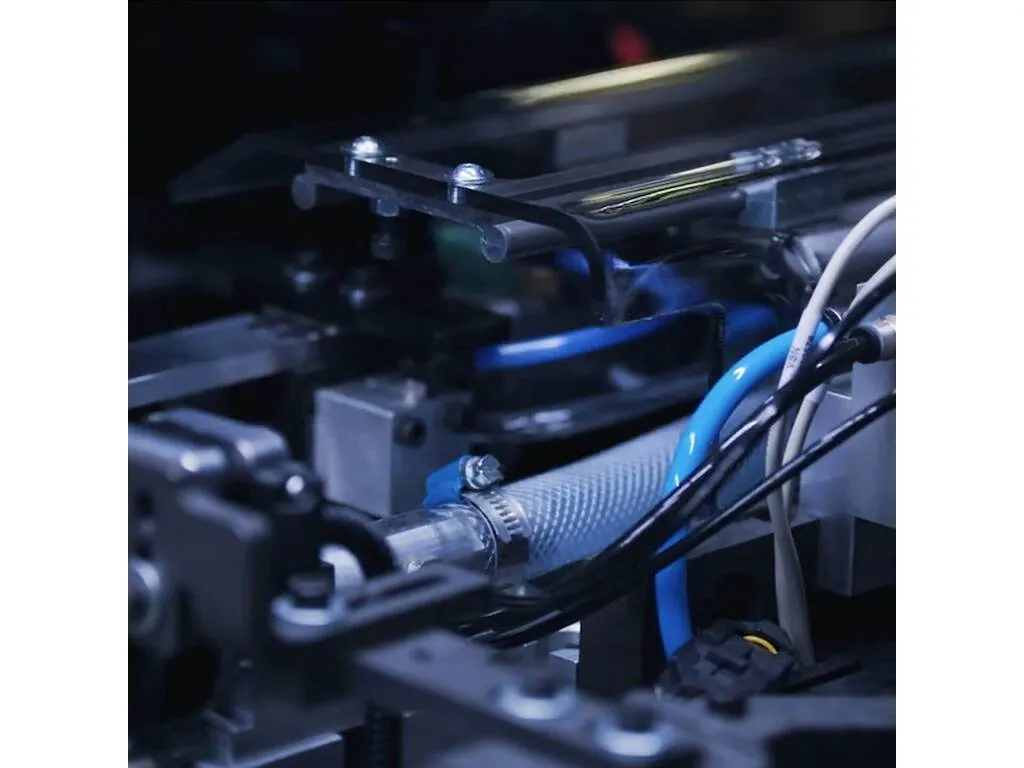
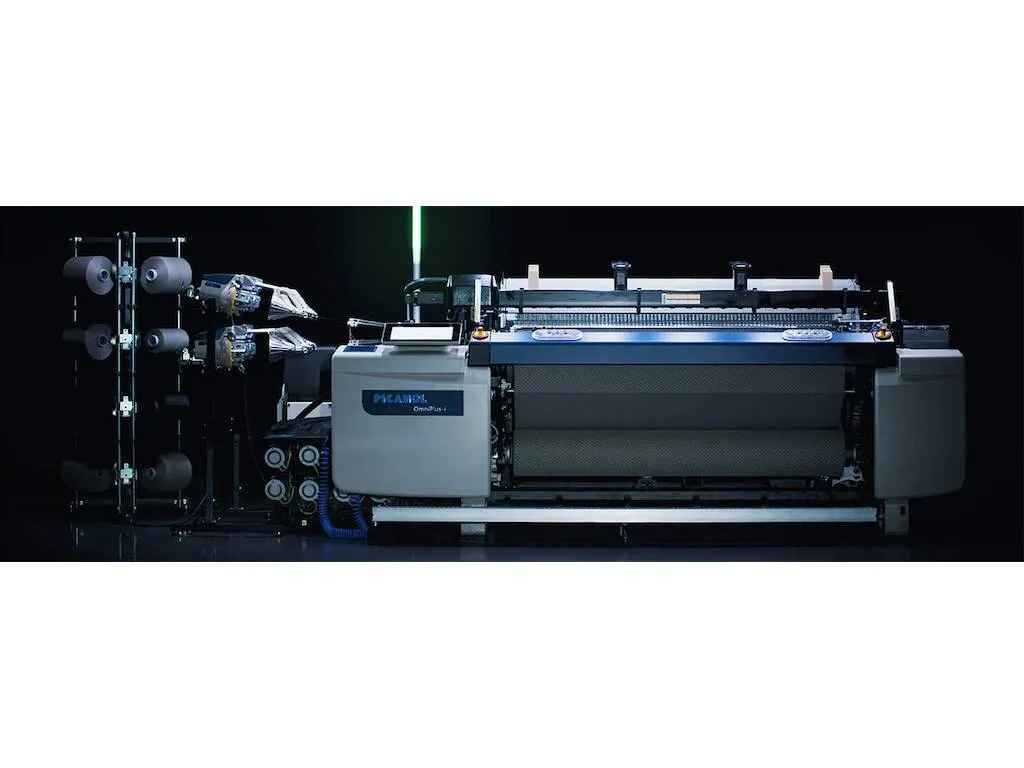
A key step towards automation, it served as a model for machines in many other sectors. It is a piece of history that still matters today. Separating the loom’s hardware and software laid the foundations for the mechanical engineering behind Picanol’s new OmniPlus-i air-jet weaving machine. Mechanically linked motion sequences are distributed across individual axes. Lenze’s Controller Based Motion solution ensures fast, precise synchronisation. This allows the machine to start a new task or switch to a different weave pattern much more quickly.
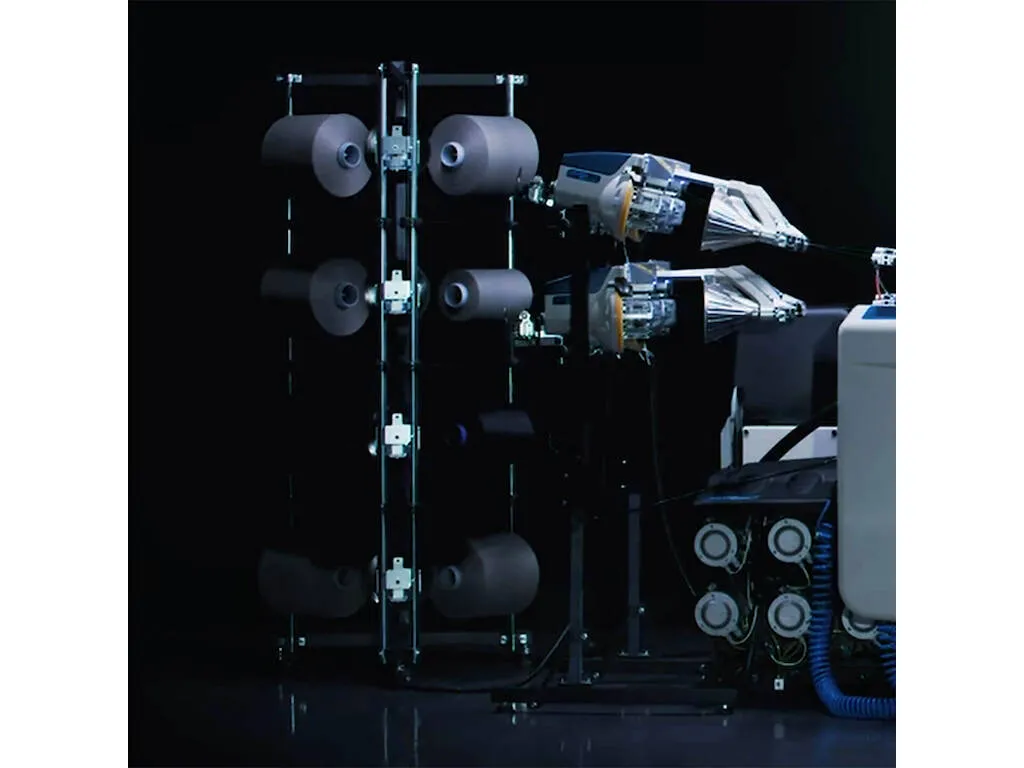
For Lenze’s developers, the OmniPlus project was anything but business as usual. Almost every major challenge faced by drive technology is inherent in a weaving machine: power density, energy efficiency, performance, thermal behaviour, cooling concept, integration capacity and time to market, to name just a few. Picanol project engineer Emmanuel Delboo: “We want the benefits of separately driven axes, particularly in terms of set-up capacity, but not at the expense of machine speed.” There was also another important condition attached to the development. The cost of the technical components had to be kept under control to ensure the machine could compete on the global stage. In short, Picanol wanted a better machine at a lower price. “That was only possible by tailoring our portfolio to the customer’s needs,” recalls Francis Denayer, sales manager BeLux and responsible for Picanol in Belgium.
Intelligent cooling concept
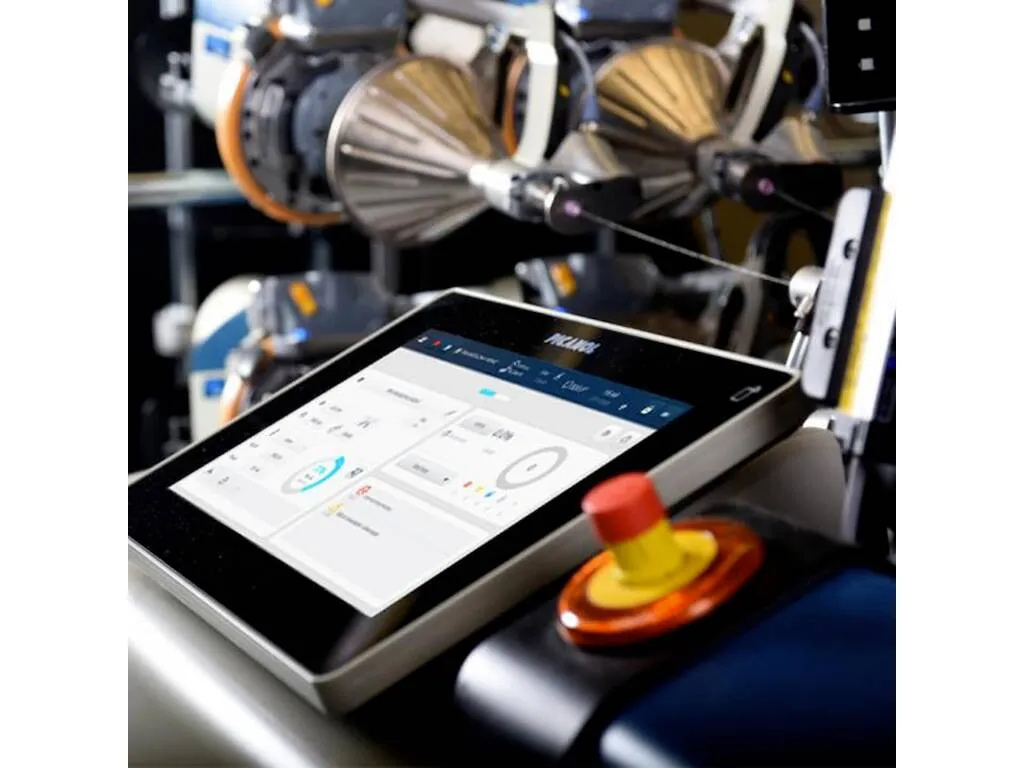
In this case, the motors required a special type of cooling. This would make it possible to have a highly dynamic, compact motor with very high torque. Denayer: “Picanol relies on a central oil circuit to lubricate all the components while also providing cooling.” The Belgian machine builder ruled out a separate water circuit, as this would have required a second supply system. Another challenge was designing the drive electronics to save space. The motors are powered and controlled by servo inverters from the i700 series, all configured as double axes to meet the demand for the most compact solution possible. Delboo: “The control cabinet is integrated into the machine, so the OmniPlus-i air-jet takes up as little floor space as possible. Floor space is always in short supply in weaving mills.” To prevent the controllers from being overwhelmed by cycle rates of 1,200 picks per minute, the i700s are liquid-cooled via a cooling plate, which is also integrated into the central oil management system. “This removes heat without fans. Fans would quickly clog up because of the high concentration of fibres in the air,” explains Denayer. Depending on the machine size, between eight and sixteen axes are used. Motion control consists mainly of electronic CAM control, all handled by the Lenze Motion Controller.
A long-term partnership
Over many years of working together, Picanol and Lenze have successfully completed countless projects. “For our high-end machines, we expect high-end solutions from our technology suppliers. We normally use Lenze’s standard control and drive technology, which we are very satisfied with,” says Delboo. “The solution we needed this time was particularly demanding from a technical point of view and was not available on the market. It therefore required customisation. Working with Lenze, the process went smoothly. We had a good relationship and constructive technical discussions, which resulted in a high-end solution. That was particularly important for Picanol.”
Question about this story? Ask your question
Companies in this story

Keep following this
Get an email when a new story is published. No account needed.
- SubjectMotion, gears & drives
- CompanyLenze BV







