












Extend the life of your drive systems
“To ensure machines keep running, it is important to keep the essential components of the drive in optimum condition. That is why inspections and maintenance are so important. Companies can carry out some inspections themselves, while in other cases the expertise of a certified engineer is needed.” Lars van der Weide, managing director of AZ Hollink, shares some tips.
Van der Weide starts with some general advice. “Before faults occur, it is often possible to detect signs of abnormal behaviour. Look out for unusual resonance, different noises, a build-up of dirt… By keeping an eye out for these signs, you can take action in good time.”
Crowned gear couplings
“There are also different things to look out for with each component, and often with each type or brand. It is important to know what to check. Take crowned gear couplings, for example. They must always be lubricated with oil or grease. The maintenance interval depends on the lubricant used and the number of operating hours or years the coupling has been in use, whichever comes first. For example, mineral lubricant must be replaced after 8,000 operating hours or two years, while synthetic lubricant needs replacing after 16,000 operating hours or three years. However, there are also lubricants on the market, such as RENK Longlife Grease, that only need to be replaced after five years or 25,000 hours. This type of lubricant requires less maintenance, allowing the coupling to remain in service for longer while giving users peace of mind that it is running properly.”
Plain bearings
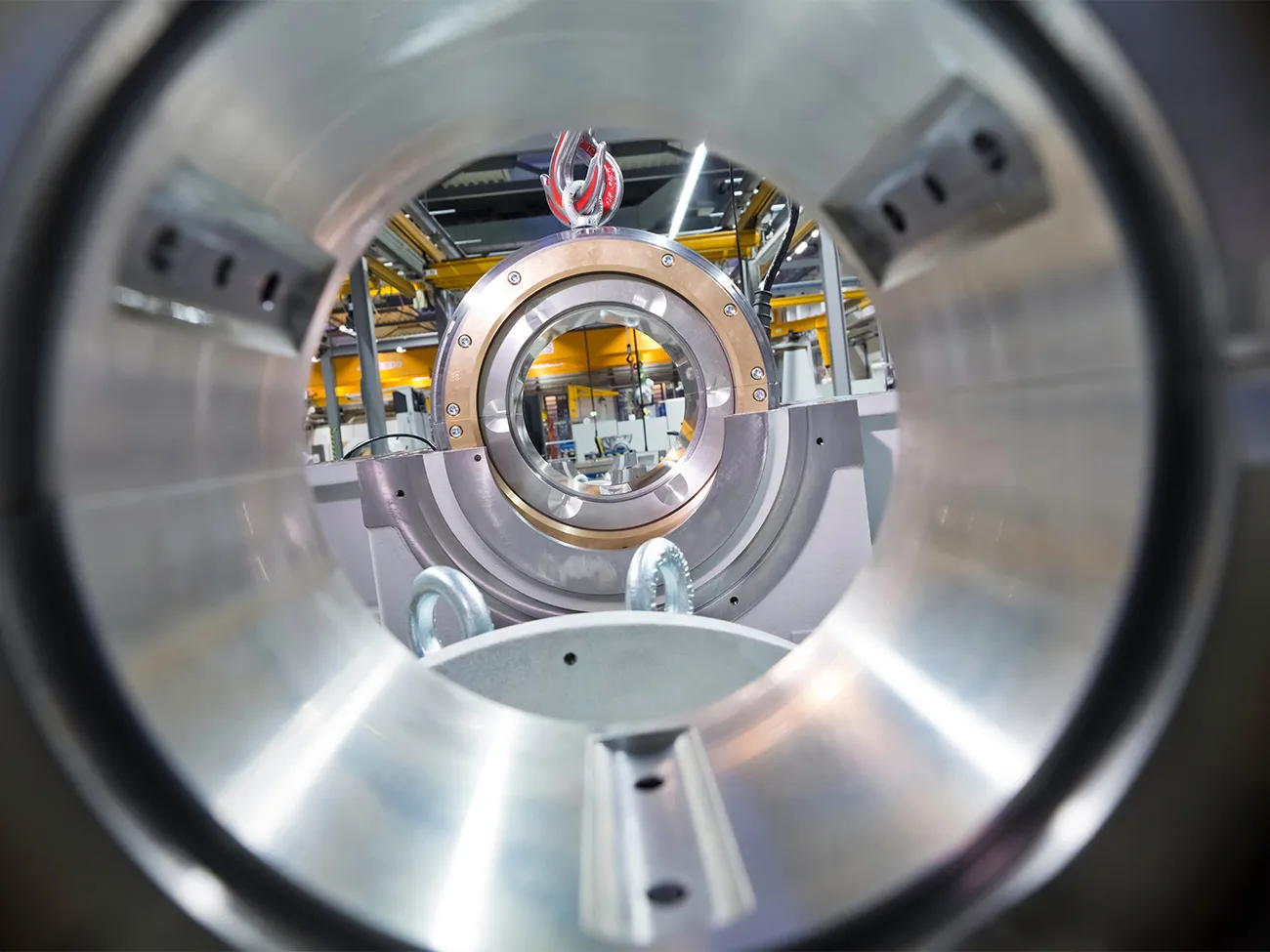
Plain bearings require a different kind of maintenance. “In a plain bearing, the shaft slides inside the bore. To reduce friction, a (hydrodynamic) plain bearing uses a film of oil between the moving and stationary parts. Once the bearing is running, there is essentially no friction. One thing you can check is the temperature. There should be no significant deviation in temperature (5 degrees Kelvin) compared with the temperature during the first few hours of operation. It is also recommended that the outside of the bearing is cleaned every 100 to 1,000 hours. An oil change is generally needed every 5,000 operating hours when the system starts and stops. In a 24/7 continuous-operation system, this is every 20,000 operating hours.”
In practice, things do sometimes go wrong. “Oil changes are regularly carried out too late. If residue gets into the oil, it can cause wear to the bearing shell, leading to a rise in temperature and, ultimately, faults or problems. In addition to an abnormal temperature, the shell may also be scratched, or its white metal may be damaged. If the running surface of a bearing shell shows a print wider than 45 degrees, this also means the shell needs replacing. These are all indications that the plain bearing needs to be replaced.”
Gearboxes
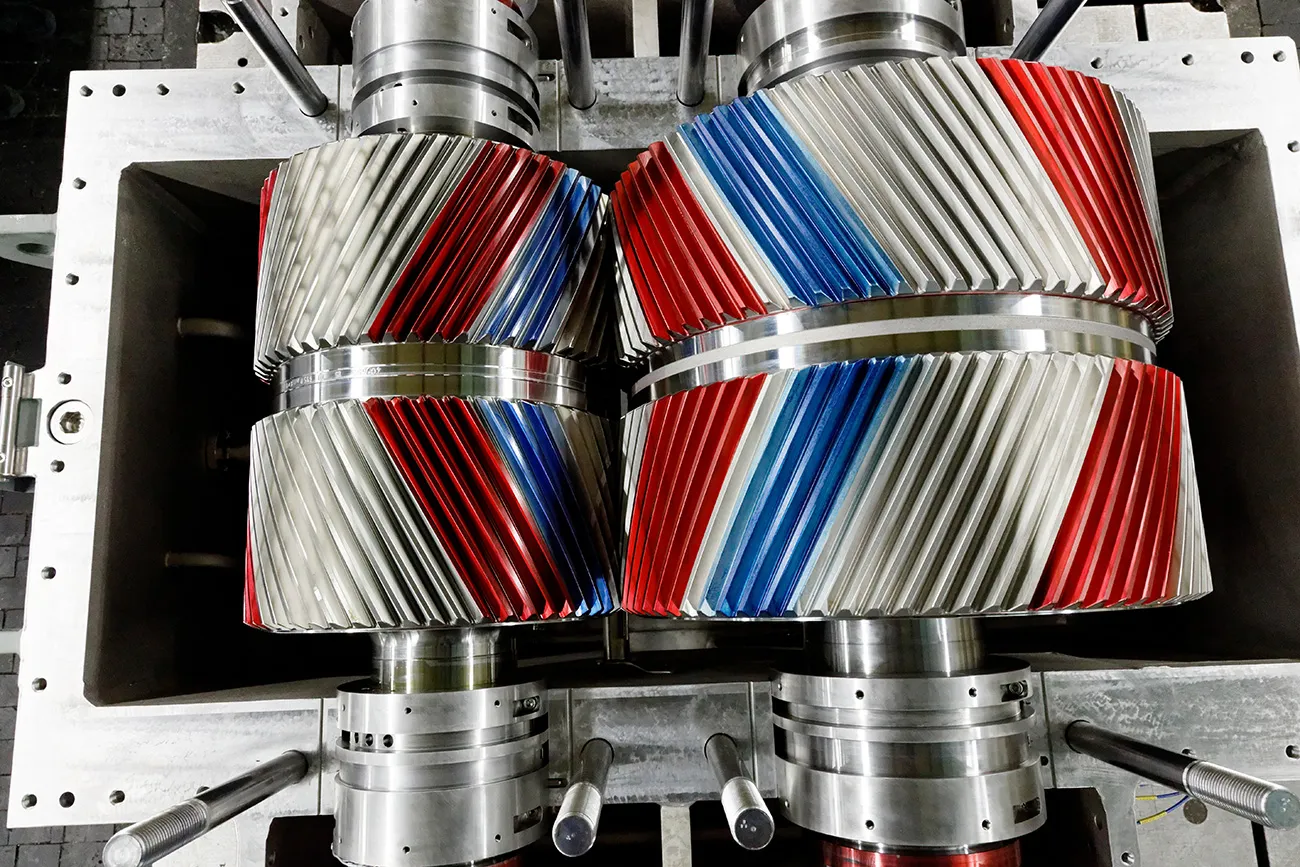
Inspection and maintenance of gearboxes are equally important. “The engineer should follow the supplied operating and maintenance manual. This generally means that, in addition to internal maintenance, a thorough service by an expert should be scheduled after 20,000 and 40,000 hours. An expert will also carry out an ultrasonic inspection, for example, bringing to light certain cracks that would otherwise remain hidden. If you do not carry out thorough maintenance, the warranty may become void, or unexpected faults or problems may occur.”
Spare parts
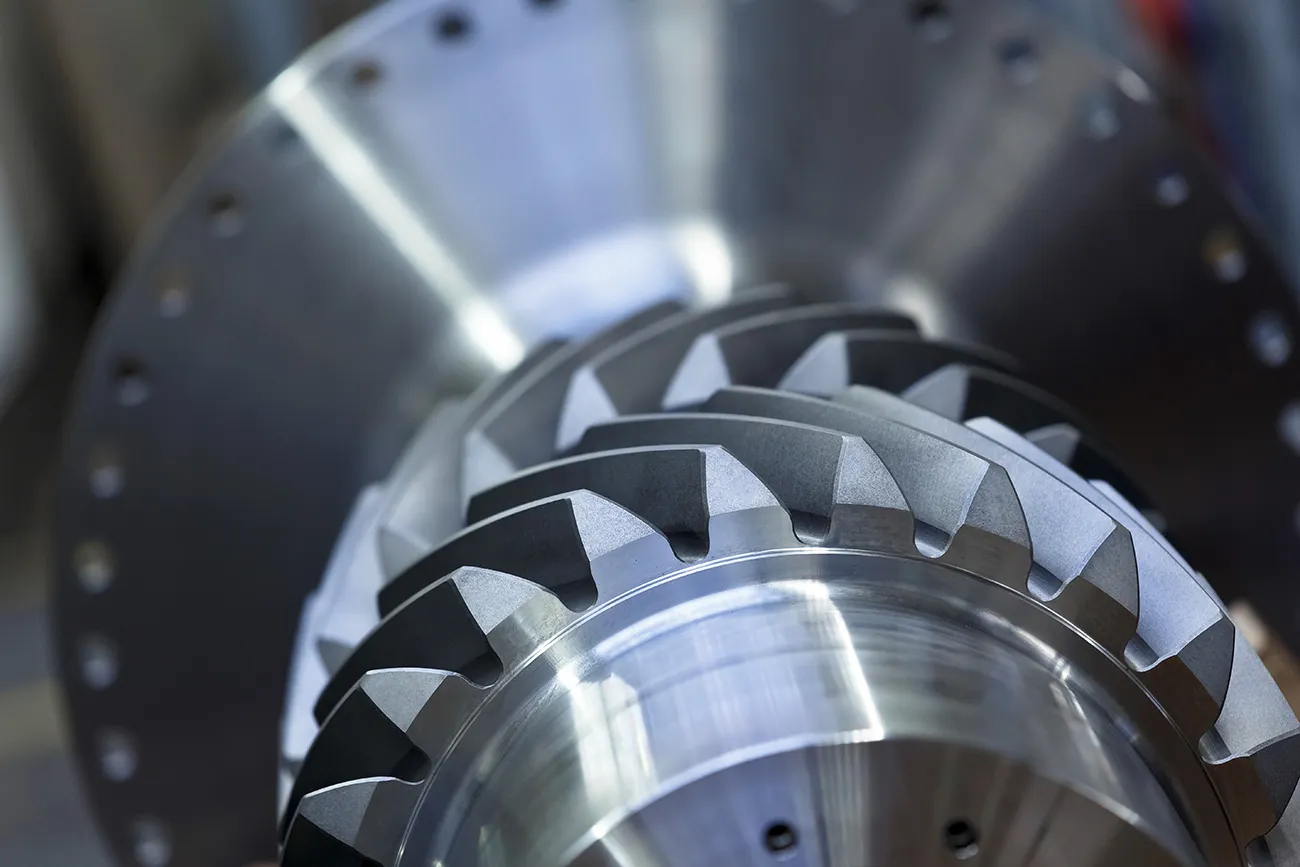
Van der Weide has one final tip: “It is also advisable to keep certain spare parts in stock so they can be replaced quickly if needed. These might include a rotor set, a set of bearings, a set of seals and a set of instrumentation.
For custom-made items such as a rotor set, lead times are now nine months or more.”
A business enquiry for AZ Hollink? Get in touch
Companies in this story

Keep following this
Get an email when a new story is published. No account needed.
- ThemeMotion with less energy
- SubjectMotion, gears & drives
- CompanyAZ Hollink







