












Choosing the right gripper for your robot
Text Valérie CouplezImage iStock
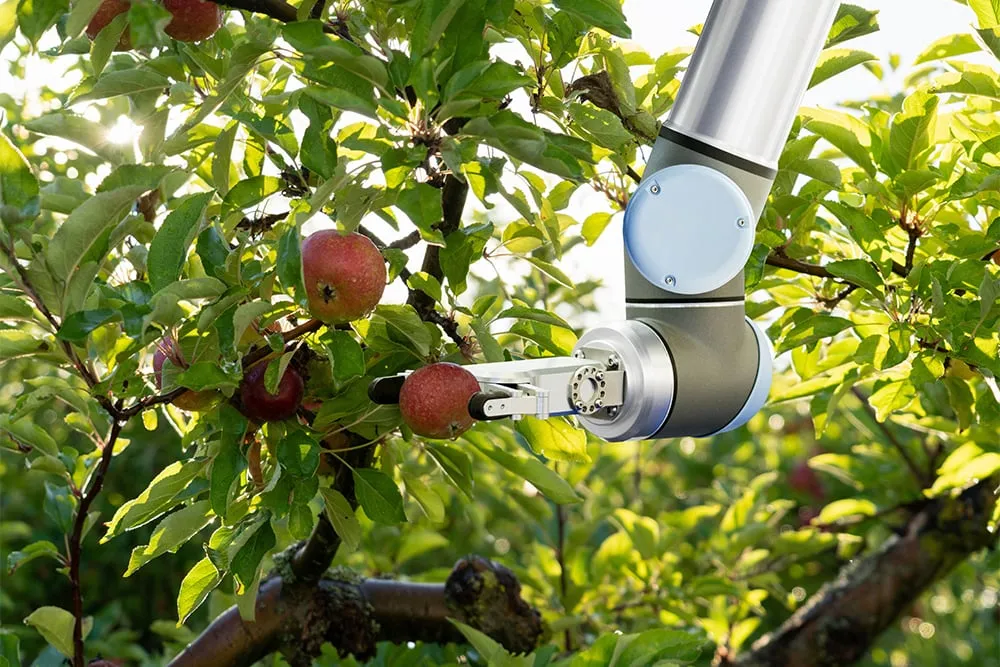
Robot grippers are essentially the hands of robots. They enable them to pick up, move and manipulate objects with ease. Whether you want to increase the efficiency of your production line, improve the accuracy of assembly tasks or simply streamline your operations, understanding robot grippers is essential. This article introduces you to the world of grippers: how they work and how to select the right one for your needs.
Robot grippers do more than simply grasp objects. They are designed to mimic the functionality of the human hand, including its ability to pick up objects, hold them securely and release them. This capability is crucial for tasks ranging from assembling parts on a production line to sorting and packaging products. The versatility of grippers enables robots to perform complex tasks accurately and efficiently. The most common types are mechanical grippers, vacuum grippers, magnetic grippers and soft grippers. Each type is designed for different tasks, but they all have the same purpose: to enable robots to interact with the physical world in a way that echoes human capabilities.
How do mechanical grippers work?
Mechanical grippers work using a simple but effective mechanism, typically using pneumatic or electrical power to open and close their jaws or fingers around an object. They excel in environments where precision and force are required, such as handling metal parts, assembling components and picking up rigid objects. Their straightforward design makes them reliable and easy to maintain, while their versatility allows them to handle a wide range of materials.
How do vacuum grippers work?
Vacuum grippers use suction to hold objects. They are equipped with a vacuum pump that creates a vacuum to attach to the object's surface. They are ideal for handling large, flat or delicate objects such as sheets of glass, cardboard boxes and even fragile components. The lack of physical contact minimises the risk of damage to delicate objects, making them ideal for tasks that require a gentle touch.
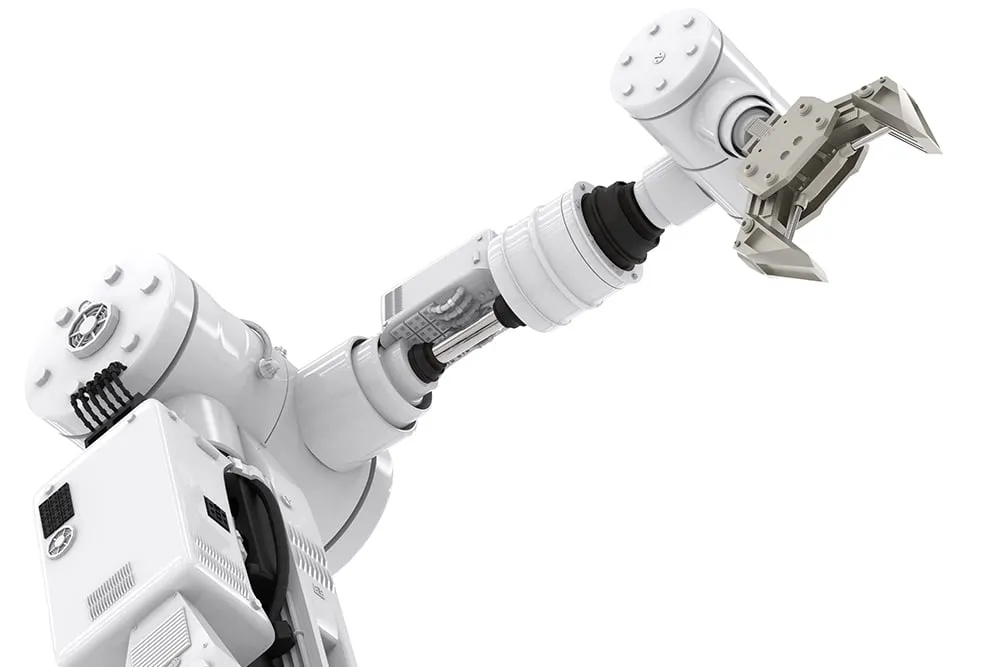
How do magnetic grippers work?
Magnetic grippers use magnetic force to hold metal objects. They can use either electromagnets or permanent magnets. They are particularly well suited to handling ferrous metals without direct contact, making them useful in the automotive industry and metalworking. Magnetic grippers are highly efficient in environments where speed and precision are paramount and side gripping is not possible.
How do soft grippers work?
Soft grippers are made from flexible materials that can deform to match the shape of the object they are gripping. They are particularly useful for handling fragile objects, irregular shapes or items that require a delicate touch. Their ability to adapt to a wide variety of shapes makes them versatile tools in industries such as food processing and pharmaceuticals.
What should you consider when selecting a gripper?
Choosing the right robot gripper involves more than simply ordering one off the shelf. It means matching the tool to your specific needs. Consider the application, compatibility, environment, payload and required precision.
- The task you want to automate is the starting point when choosing a gripper. Different applications require different gripper capabilities. For assembly, you will need a gripper that can handle small, precise movements. For packaging, it will need to cope with a range of sizes and shapes. Also consider the objects the gripper will handle.
- A gripper is part of a larger system. It must be physically and technically compatible with your robot arm and overall automation set-up. Check the mechanical fit, as well as the electrical and software integration. Make sure the gripper you choose can integrate smoothly into your existing set-up to avoid unnecessary complications.
- The environment in which the gripper will operate also affects your choice, and its long-term durability and reliability. In cleanrooms, you need a gripper made from materials that do not generate particles. In harsher conditions, it must withstand extreme temperatures, dust or moisture.
- Finally, consider the weight of the objects your gripper will handle and the precision required. Striking a balance between payload and precision is essential for optimal performance.
Question about this story? Ask your question
Keep following this
Get an email when a new story is published. No account needed.
- ThemeRobots on the shop floor
- SubjectMotion, gears & drives







