












Avoiding unplanned downtime: from simple checklists to high-tech sensors
Text Valérie CouplezImage AMR
A breakdown in your production line? It always comes at the wrong time. Fortunately, the arrival of Industry 4.0 technology has brought us one step closer to a world without unplanned downtime. However, not every production process or every part of a line has the same needs. That is why AMR’s drive specialists offer customers predictive maintenance à la carte. From common sense and simple checklists to vibration analysis and high-tech sensors: the right approach for every component.
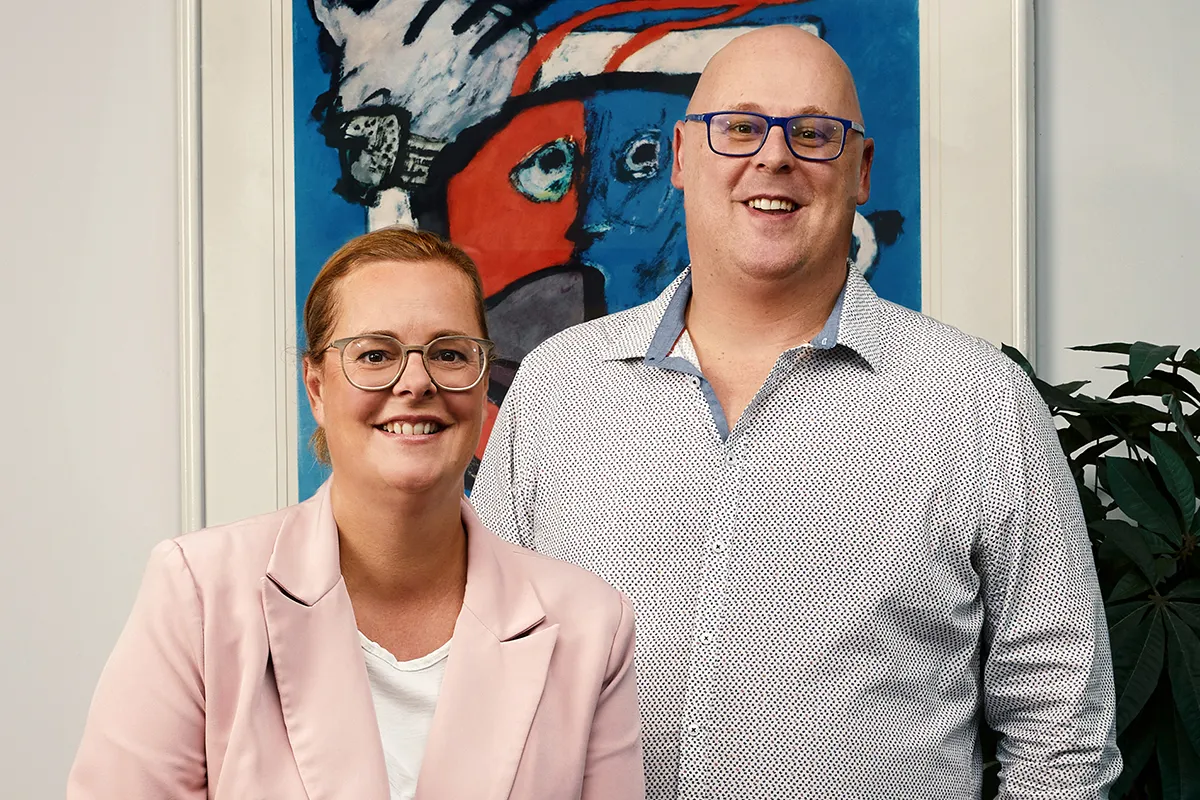
Maintenance has been carried out at set time intervals for years. Based on operating hours, the manufacturer specifies when its components should ideally be serviced or repaired. “A lot can therefore be saved in time, materials and frustration if we shift the focus from preventive to predictive maintenance. Components then only need to be serviced when their condition calls for it. Never too early, but never too late either, so a company’s maintenance team can do more than just fight fires. This frees up time to tackle larger strategic projects too, such as achieving energy savings,” explain AMR managing directors Annelies and Michael Oosterlynck.
Predictive maintenance with common sense
A search of the internet turns up hundreds of advanced solutions and systems on offer. Many come with bells and whistles that not everyone or every process needs. “That’s why we prefer to advocate predictive maintenance with common sense,” Michael says with a laugh. “There are plenty of cost-effective ways to improve machine uptime.” For AMR, predictive maintenance therefore starts with a good conversation. “Together with the customer, we assess how critical specific components are to the production line. Could a particular component bring your entire production process to a standstill? In that case, we can apply continuous condition monitoring. But other analytical techniques work just as well for many other components.”
First-line monitoring and regular analysis
AMR also involves operators. “Experienced hands who know machines inside out are becoming increasingly rare. We therefore try to teach our customers’ employees the basics,” Annelies explains. “Using simple checklists, they learn to listen, look and feel to assess the condition of the machines.” AMR then uses this first-line monitoring to determine the right action when problems arise. Another key part of the approach is analysing vibrations, ultrasonic sounds and oil samples. “That does require specialist expertise. By carrying out these analyses regularly, we chart changes across a machine fleet. Clear reports tell our customers what needs to be done to prevent breakdowns or reduce energy consumption.”
Continuous condition monitoring for critical components
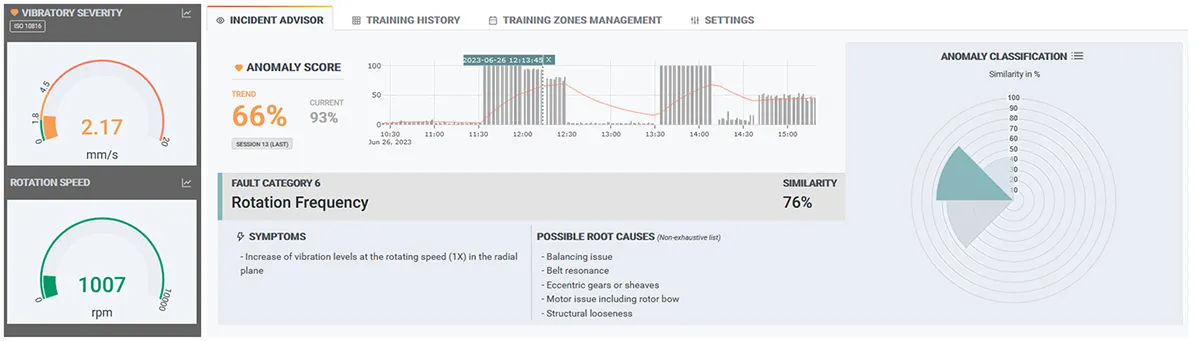
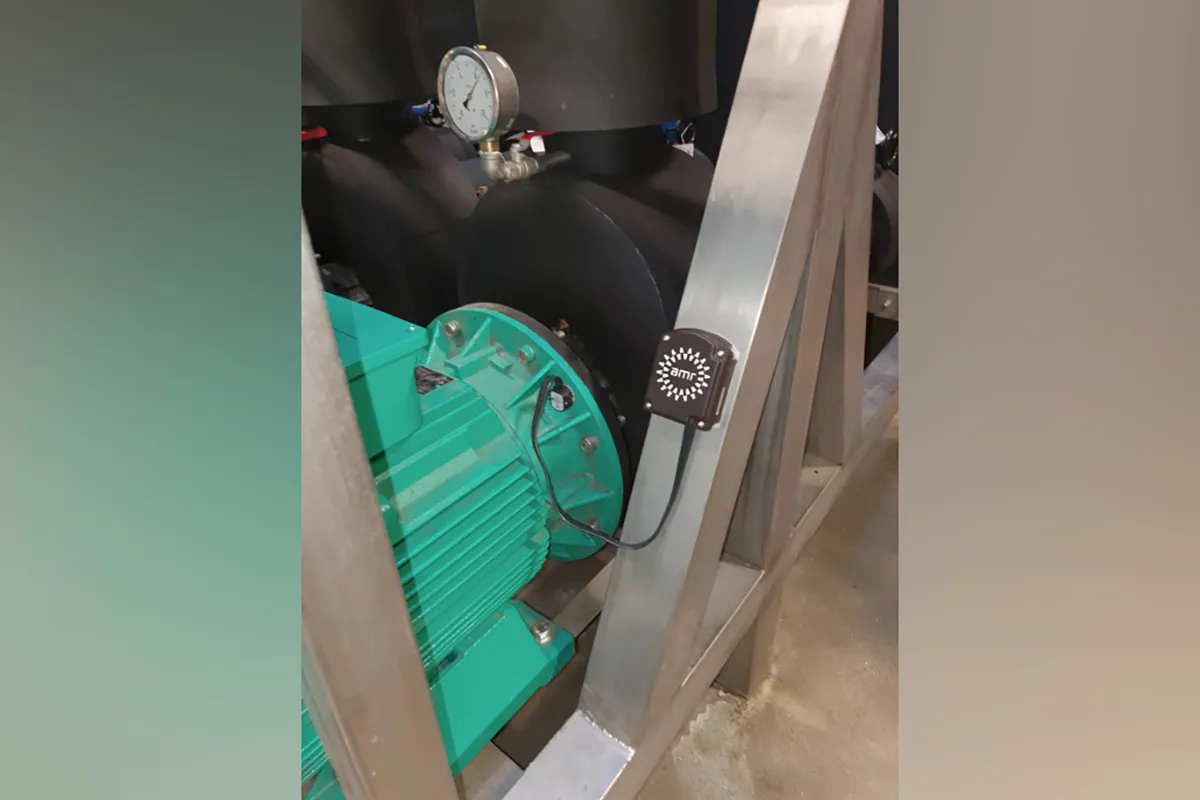
For critical components or those in hard-to-reach locations, AMR offers Asystom’s predictive maintenance solution. Michael says: “Every manufacturer has its own app or platform, but Asystom’s tool works across all brands and component types. Plant managers and maintenance managers can therefore see the condition of all their key assets at a glance. Asystom’s solution also stands out for its simplicity. One versatile, compact sensor is all you need to monitor and measure temperature, vibrations and ultrasonic sounds, and even check the status of valves or detect leaks. It can be used anywhere in production, including potentially explosive atmospheres. If the batteries run flat, you only need to replace the battery, not the entire sensor.”
Root cause analysis
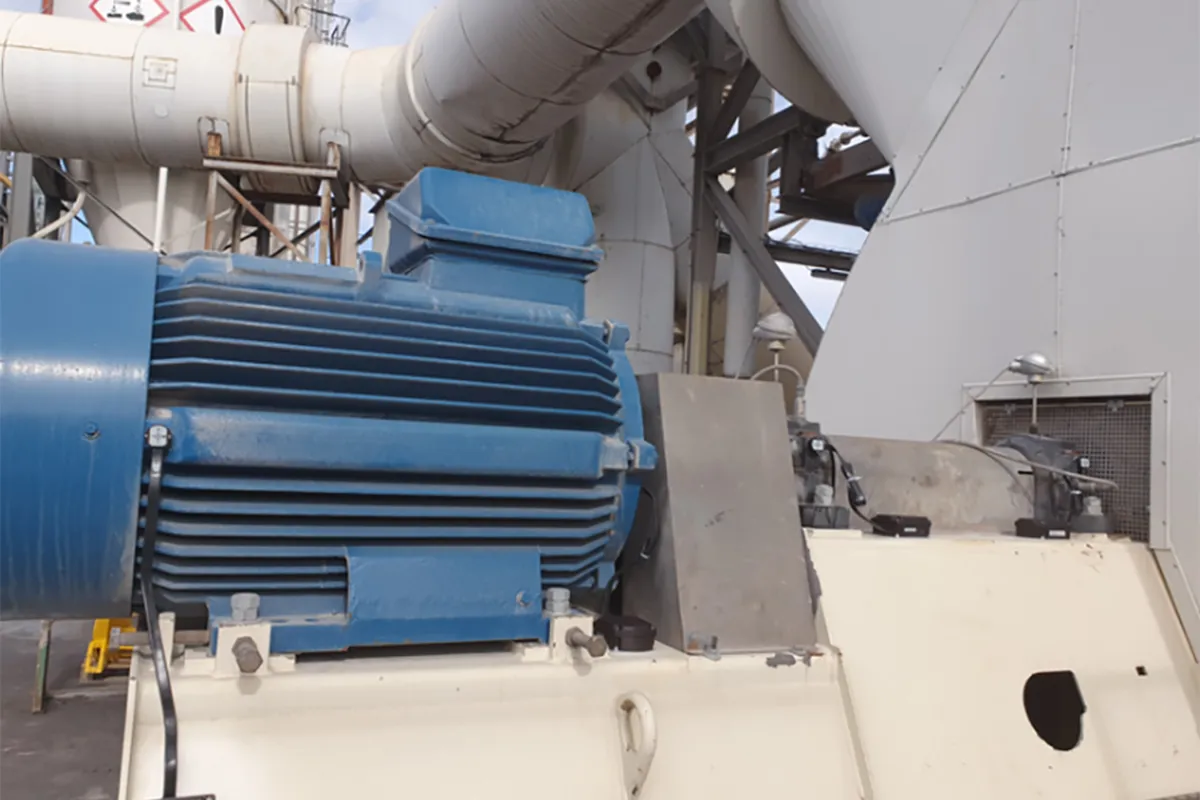
The software, which processes the captured data via a secure LoRa network connection, is also easy to use. A clear, cyber-secure dashboard shows how well your installations are performing. But the solution is not one-size-fits-all. “The analysis is always tailored to the component type: a motor, pump or compressor. The algorithms, which use artificial intelligence, do more than tell you how things are going. They provide the most likely explanation for underperformance or failure. Root cause analysis takes into account the historical data you have built up yourself. This means you can quickly identify the right action to avoid unplanned downtime,” Annelies concludes.
Een zakelijke vraag aan AMR – De Aandrijfspecialisten? Get in touch
Companies in this story
Keep following this
Get an email when a new story is published. No account needed.
- ThemeProcess measurement and control
- SubjectMotion, gears & drives
- CompanyAMR – De Aandrijfspecialisten







