












3D printing in space: igus linear axes produce spare parts in zero gravity
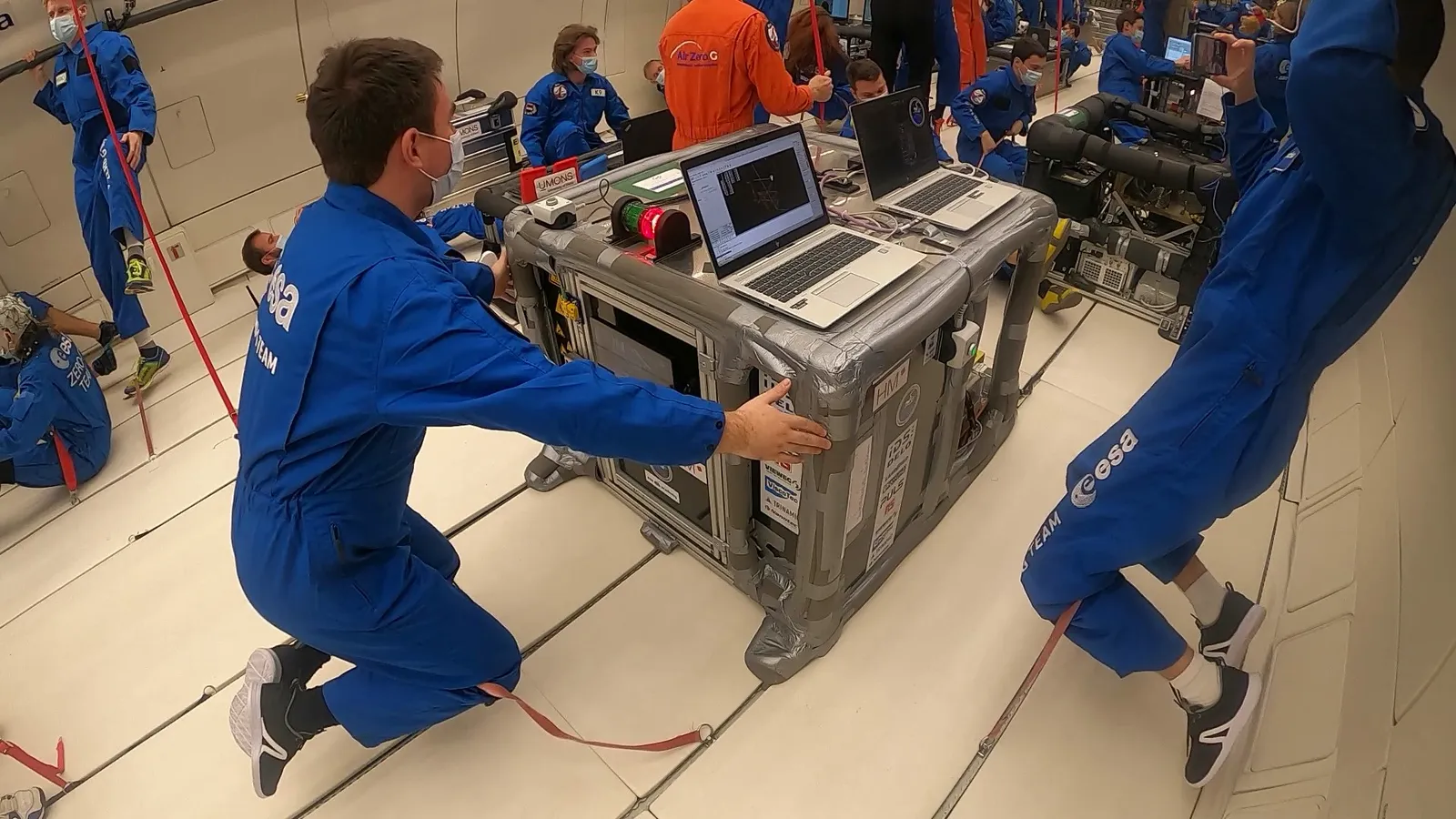
Students are using linear units to develop a 3D printer for the cost-effective production of structural components in space.
When booms for solar panels or satellite antennas are transported into space aboard a launch vehicle, they are exposed to high loads. To simplify complex transport and speed up the production of components, the To AIMIS-FYT student team is working on a 3D printing process. In future, it should be possible to produce structural components in space. To carry out experimental tests in zero gravity, the students built a 3D printer. For the drive technology, supported by igus, they relied on maintenance-free, lightweight drylin SAW linear axes.
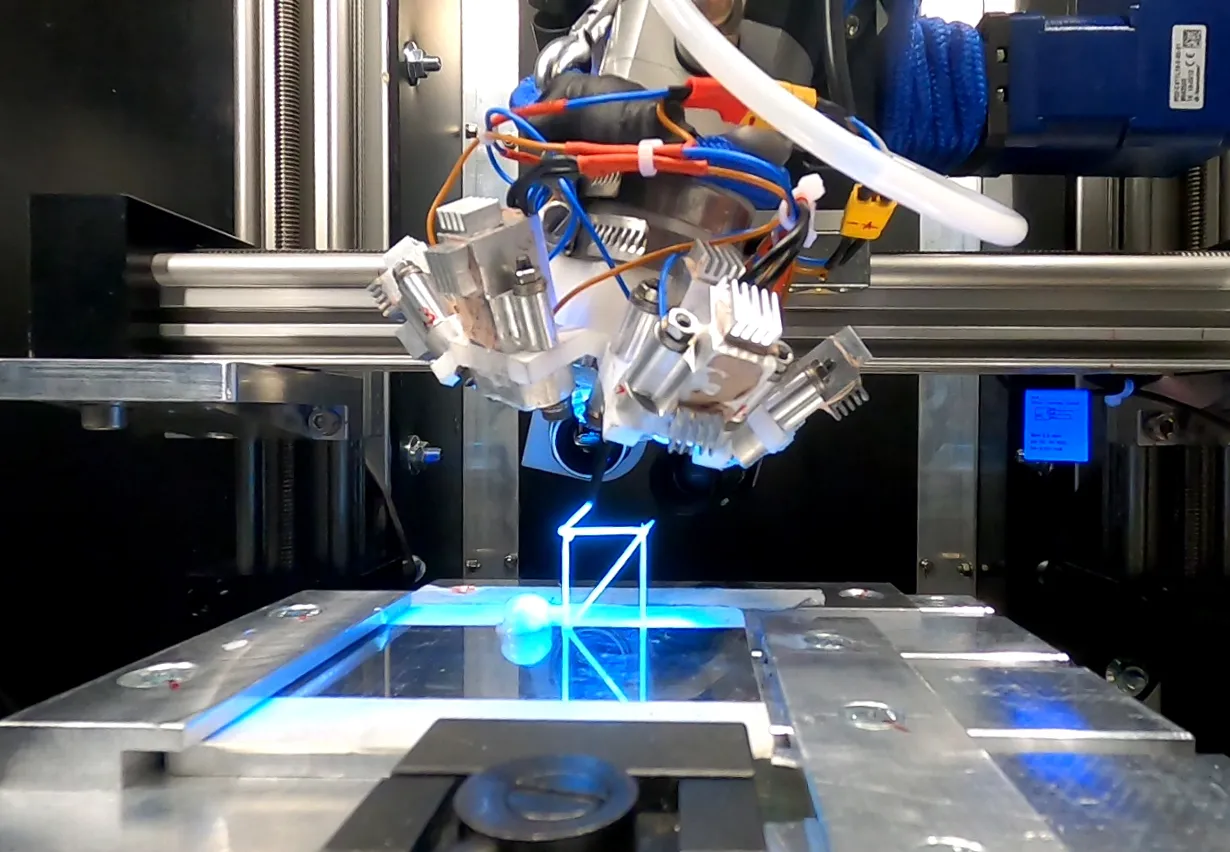
The current process for transporting equipment into space is inefficient and expensive. This is because structural components are designed primarily to withstand the high loads experienced during the launch of a spacecraft. However, these components are oversized for the subsequent period of use. Given the high costs and limited space aboard a launch vehicle, alternative solutions are needed. The Munich-based AIMIS-FYT student team has taken on the challenge and is working on a 3D printing process for cost-effective production in space as part of its aerospace engineering degree programme. The students use photo-reactive resin, which is cured by UV light. A 3D printer had to be designed and built to test the process experimentally in zero gravity. In their search for the right drive technology, the engineers approached motion plastics specialist igus and found what they were looking for in the drylin SAW linear axes. The linear modules are used in the printer’s two z-axes and x-axis, forming its central drive unit. The linear axes are particularly impressive thanks to their low weight, as they are made of aluminium and feature maintenance-free sliding elements made from high-performance polymer. To reduce play in the lubrication-free, dirt-repellent polymer linear guides, the aspiring engineers opted for adjustable bearings. A compact robolink D rotary axis with a worm gear was installed in the printer so that the print filament could also be rotated.
Successful test series in real-world conditions
To test the printer and the process, the team applied to the European Space Agency’s (ESA) FlyYourThesis! programme and was accepted. The parabolic flights took place in November and December 2020. When the aircraft reaches the apex of its climb and tips into its descent, microgravity occurs, closely resembling weightlessness in space. These were ideal conditions for a real-world test of the printer. “The linear axes worked flawlessly in every experiment, enabling us to print a small rod as well as small lattice structures on every parabola,” reports Torben Schäfer of the AIMIS-FYT team.
igus young engineers support promotes innovative projects
Projects such as AIMIS-FYT are supported by igus through its “young engineers support” (yes) programme. Through this university initiative, igus aims to support pupils, students and teachers with free samples, university discounts and sponsorship, and to promote the development of innovative projects. Find out more about igus support for universities at www.igus.eu/yes.
A business enquiry for Igus? Get in touch
Companies in this story

Keep following this
Get an email when a new story is published. No account needed.
- ThemeMotion with less energy
- SubjectMotion, gears & drives
- CompanyIgus







