Standardisation at every level of the installation is no illusion

Once the euphoria of ‘it works’ has passed, a long period of optimisation begins on many fronts. How can things be made more efficient, less costly and easier? The same applies to developments in fieldbus technology. Standardisation at the ‘lower’ levels is already a reality, but standardisation at higher levels, such as cloud applications, is a different matter. There is, however, a solution: SMI.
After a brilliant idea had been translated into working technology, the fieldbus landscape became crowded with different fieldbuses, associated protocols, interfaces, connectors and so on. Every company hoped to secure a monopoly, imagining a world in which everyone would have to buy its products simply because it had the best fieldbus.

This dream scenario did not come to pass, of course, and it became clear that standardisation would be crucial to creating a world in which everyone could survive, with components from the many suppliers and developers able to exchange data at every level. The adoption of the PROFINET, EtherNet/IP and EtherCAT protocols worldwide marked a first step in this direction. But only a first step: we are still a long way from realising the dream.
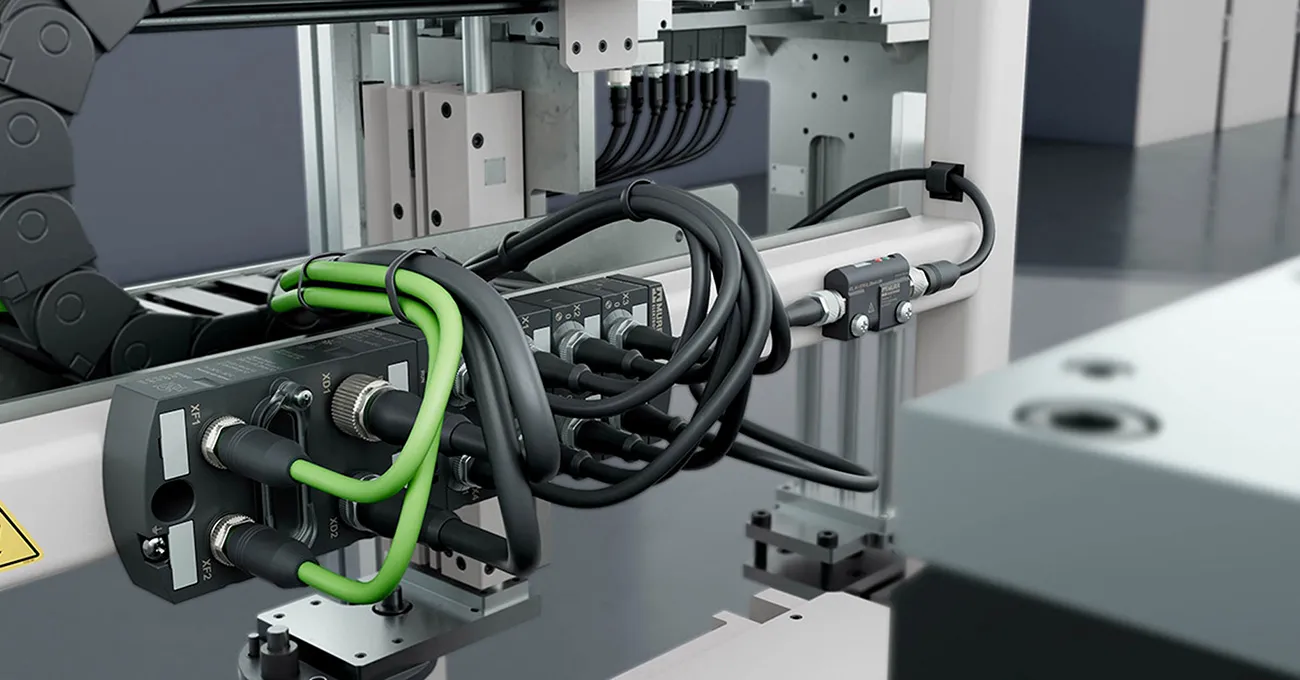
IO-Link
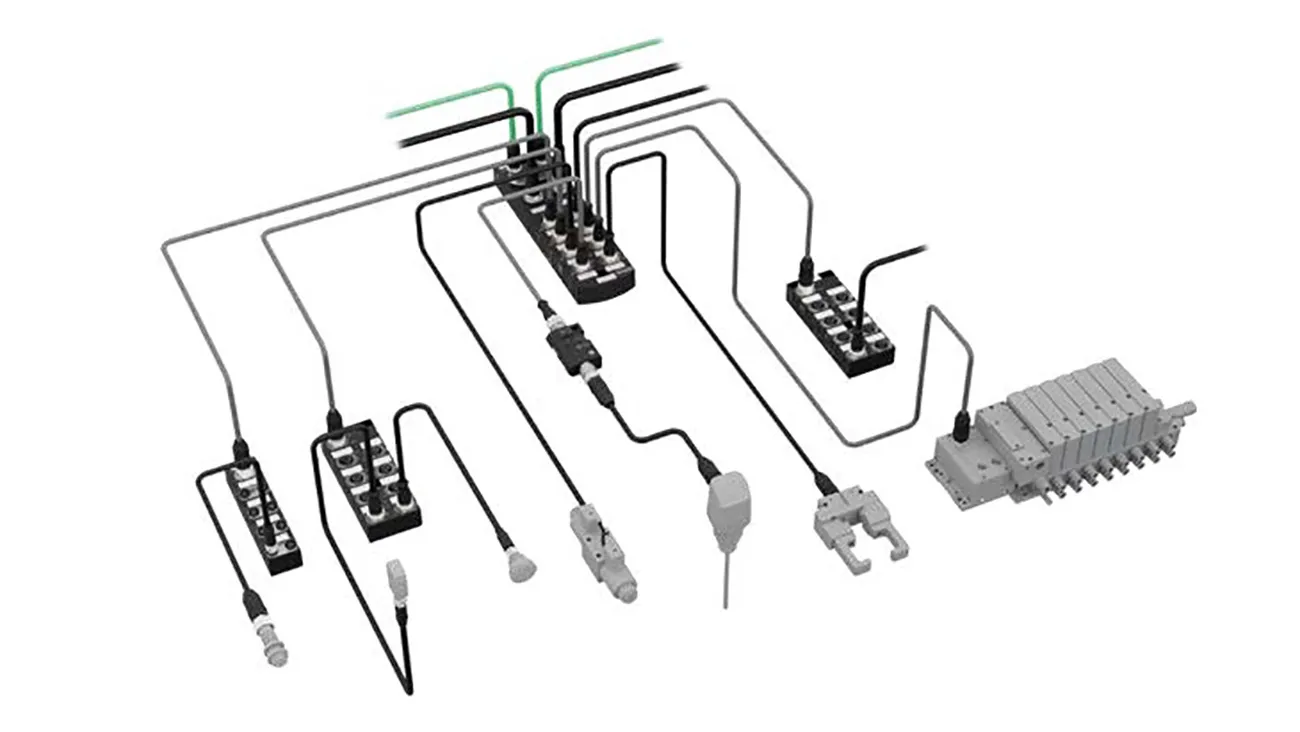
A further step has already been taken in standardising the sensor-actuator level. For this final section, right at the bottom of the control pyramid, IO-Link is a widely accepted solution.
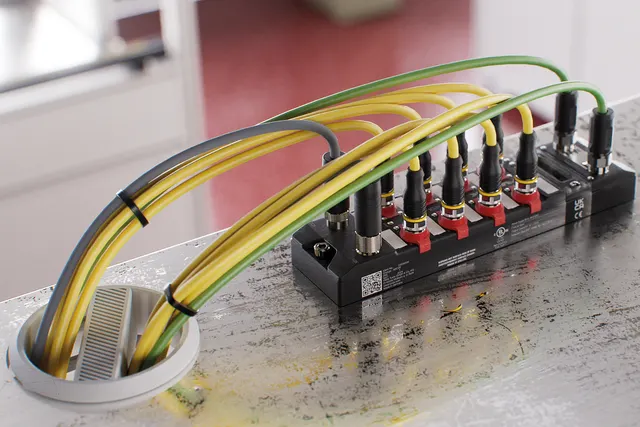
IO-Link is a bidirectional point-to-point communication protocol that can be used in virtually any system. An IO-Link master gateway connects the relevant fieldbus, whatever it may be, to the lowest level.
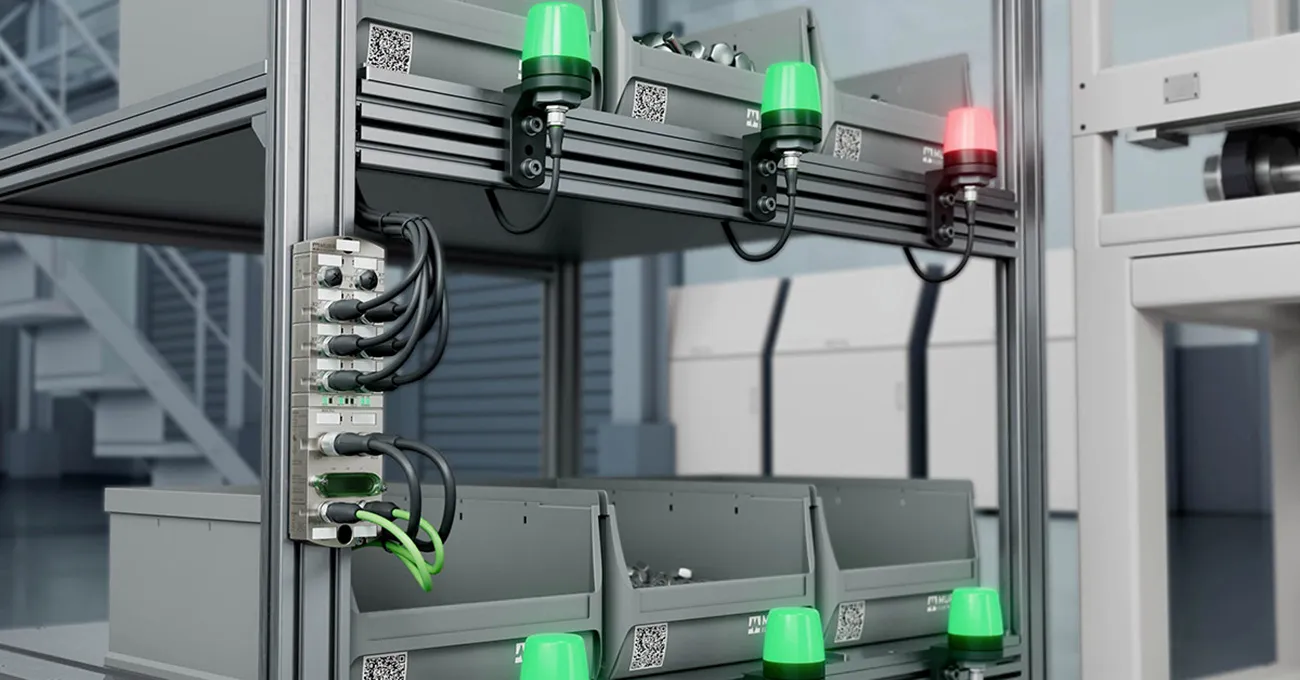
Time and effort
So far, we are heading in the right direction. Things become more challenging when connections need to be made to higher-level systems such as cloud applications. There is still not enough standardisation to enable a universal connection to a master. Solutions are currently being developed through interfaces written by master manufacturers themselves or through IO-Link stacks. In every case, establishing the desired connection and creating a working application takes a great deal of time and effort.
SMI, or Standardized Master Interface, introduced in 2019, offers a good solution to this problem. It harmonises the connection of IO masters for all access routes, whether for control systems, fieldbus protocols, master/device tools (PDCT) or new IT and IIoT protocols such as JSON or OPC UA. It gives users and machine builders full access rights, regardless of the device manufacturer, resources or installation location.
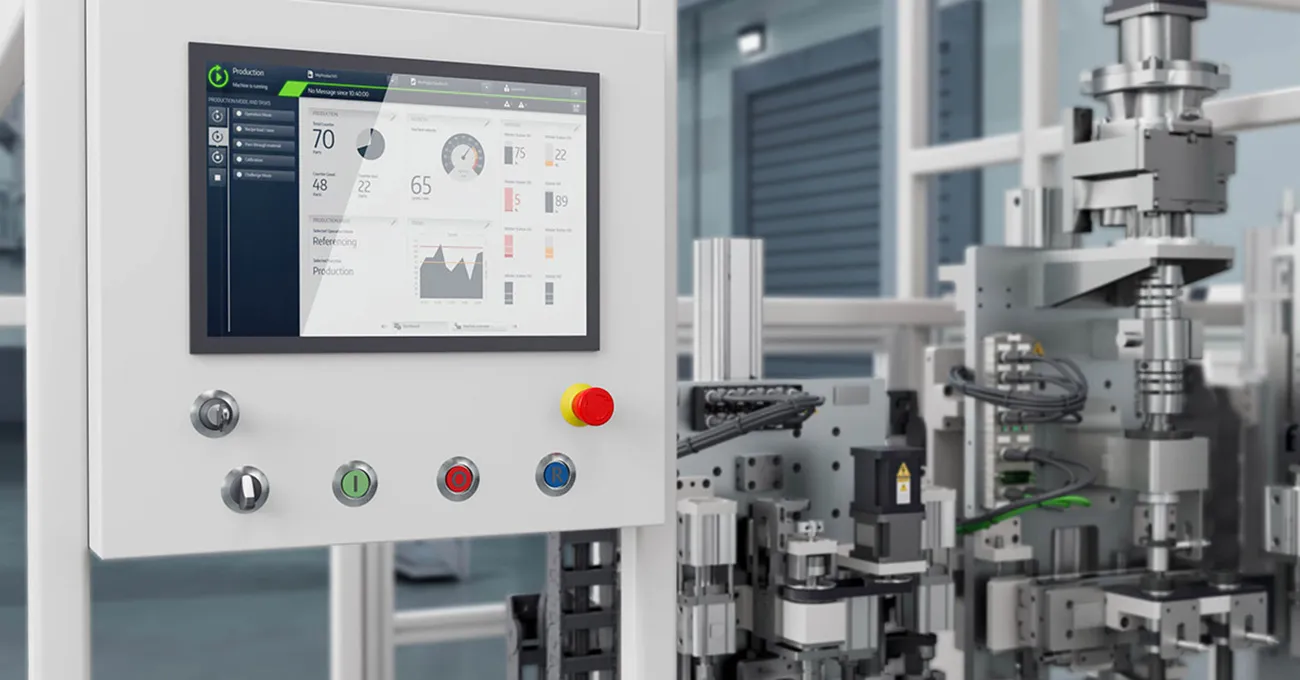
Simple and comprehensive
As well as making control systems much easier to implement, from engineering through to commissioning, SMI also makes it possible to retrieve data from all components that may be relevant to maintenance, troubleshooting, optimisation, compliance, energy consumption and more. This means that SMI also paves the way for decentralisation, with all its associated benefits.
Would you like to learn more about the technologies behind this? Download our white paper, ‘Declaration of Independence with SMI’, or get in touch. We have launched a new range of IO-Link devices with SMI integrated as standard. I would be delighted to show you what this could mean for the installation in your machines.
Question about this story? Ask your question
Keep following this
Get an email when a new story is published. No account needed.
- SubjectControl & network