Industrial heritage combined with the latest control and safety technology
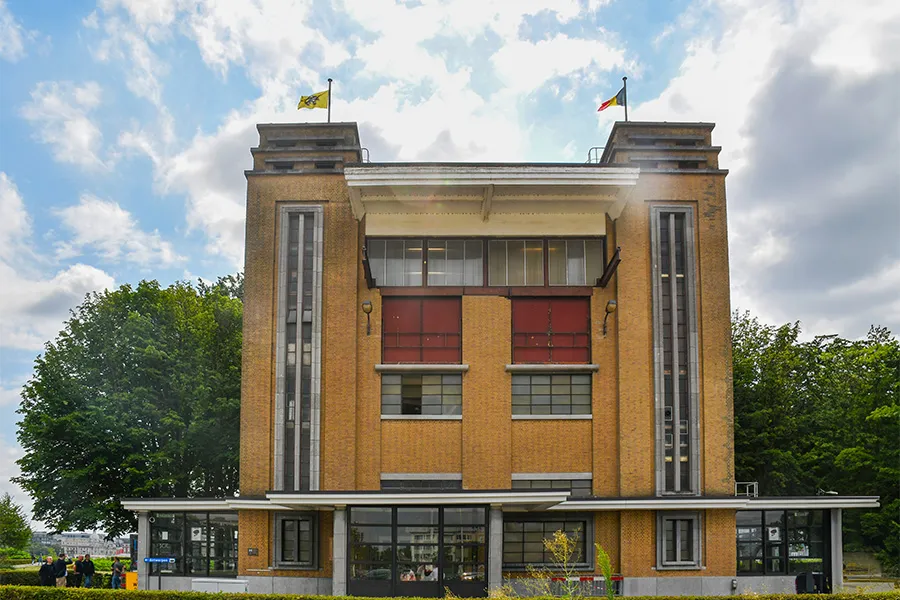
The Sint-Annatunnel runs beneath the Scheldt and is one of the oldest links between its two banks. The lift that takes you down to it makes the journey around 500 times a day, carrying an average of 10 to 15 people. An initial overhaul using modern lift technology proved unable to withstand the demands, resulting in lengthy outages. The answer was robust industrial technology. Motoren Desmedt developed an approach together with its partner Routeco and opted for an end-to-end solution from Rockwell Automation wherever possible. “That way, everything works together perfectly,” says Philippe Ampe, who led the project.
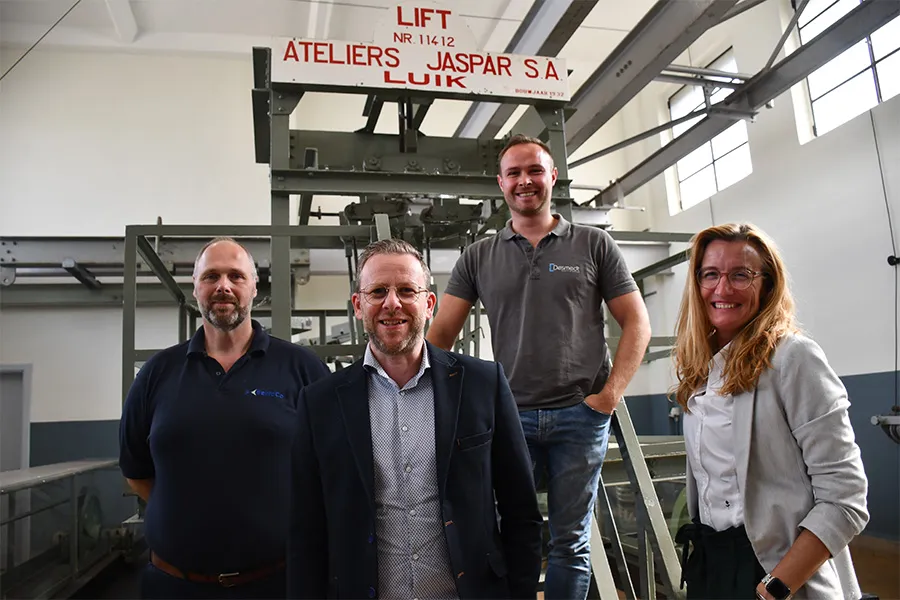
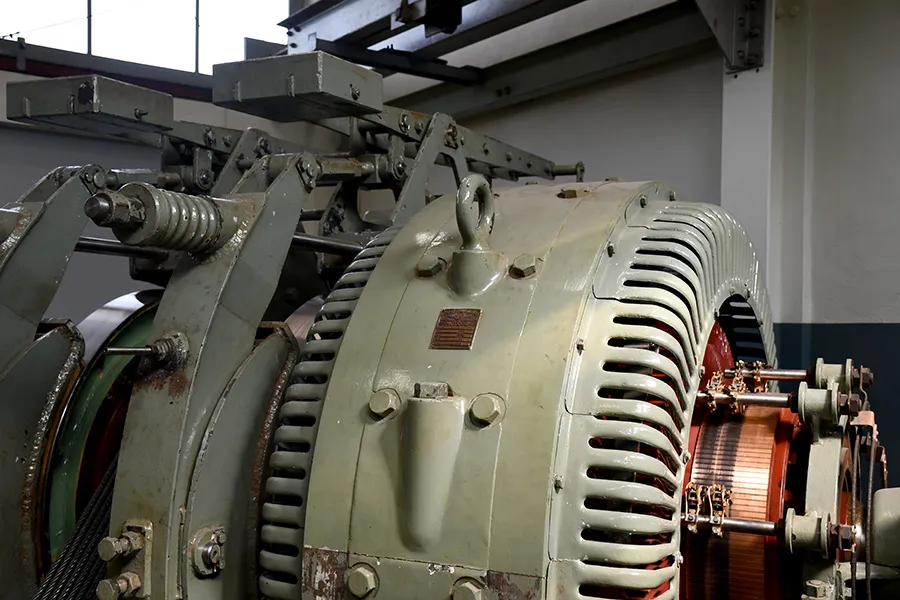
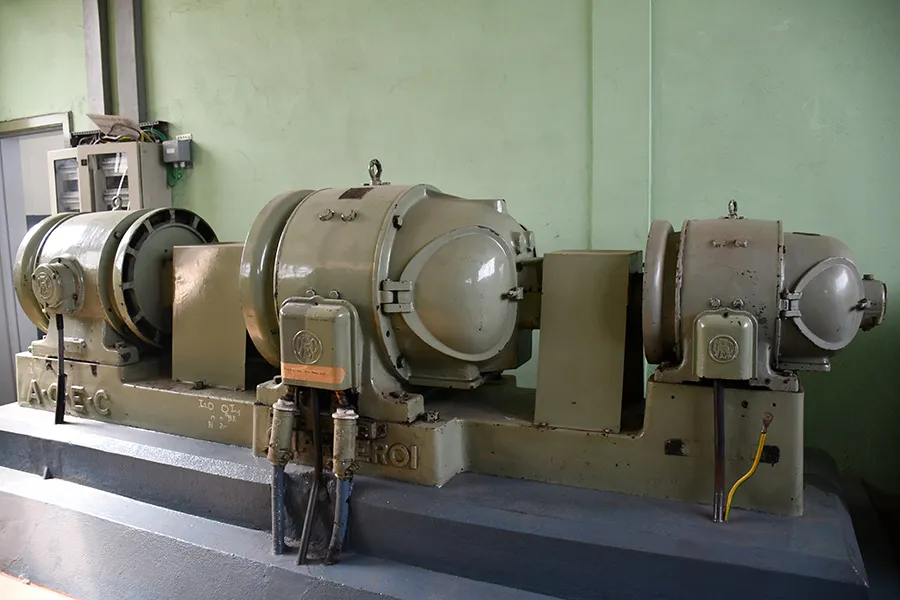
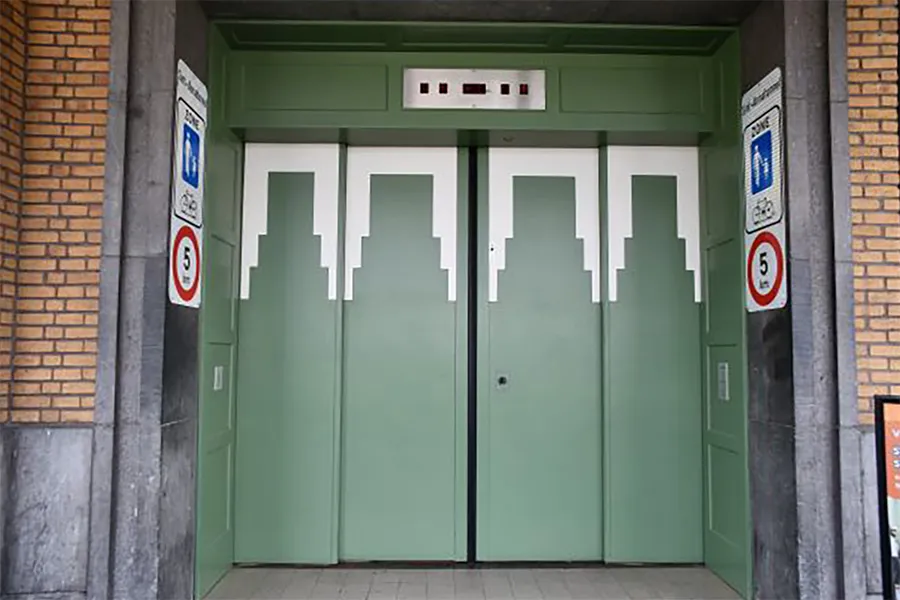
The Sint-Annatunnel dates back to 1933. Today, it is used mainly by pedestrians and cyclists, but in the past it also carried carts pulled by draught animals, as well as police cars and ambulances. “Until recently, tenders for new ambulances and police cars had to take account of modified bodywork to ensure the vehicles fitted inside the lift. In the past, there were only three ways to cross the Scheldt. That is also why the lift can raise six tonnes, with a motor that draws peak currents of up to 1,000 A,” says Tom Sels, tunnel coordinator at Agentschap Wegen en Verkeer. He drew up the specifications for the lift restoration.
The main lesson he took from the previous restoration was what not to do. “In 1990, the Flemish government decided to outsource lift maintenance and repairs. It approached lift suppliers. Lift control systems may work on new machines, but not with the old motor installed here. What is more, the load is ten times higher than in an office building. The wear and tear was in proportion.”
From failing lift control to robust motor control
After thirty years of muddling through, with frequent breakdowns and lift shutdowns, enough was enough. A new tender followed. “First and foremost, we wanted a universal system so that we would not depend on a single supplier and could replace components without affecting the control system or the operation of the system as a whole. We were also looking for an industrial solution: robust, reliable motor control. A conventional lift control system does not offer the functionality we needed in this case. An industrial PLC would give us greater control and more freedom.”
It took three rounds before a candidate came forward to take up the challenge. Motoren Desmedt got involved through another project. “We already have a contract to maintain the escalators. This work is done at night and requires the escalators to be shut down.
The lift is then the only way to access the tunnel. When it broke down at that point too, we were asked to take a look…,” Ampe recalls.
Tight deadline
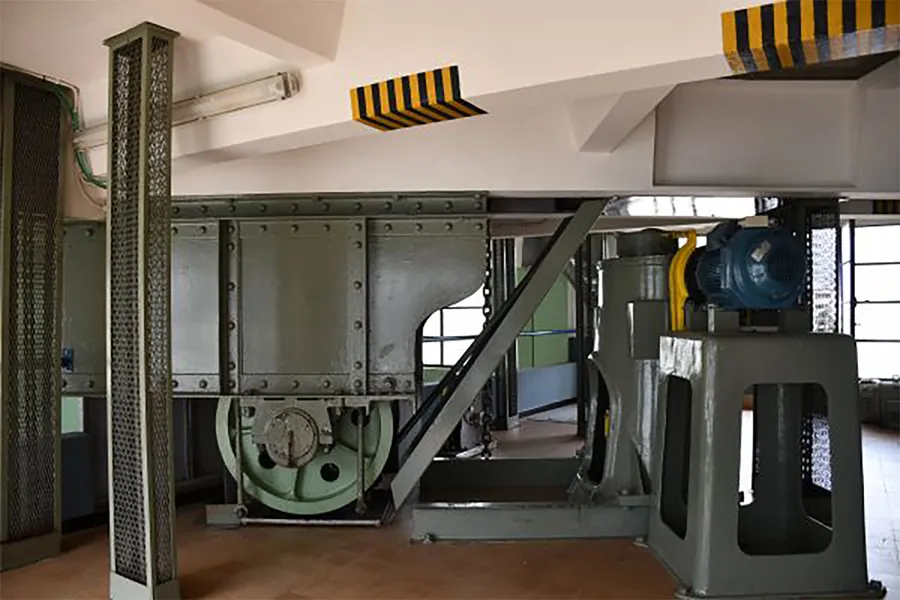
And so the work began. The brief was clear: get the lifts working again by the start of the following year. “The timing was driven by new legislation, which would henceforth impose the same requirements on historic lifts. The choice was to modernise or close.” The Heritage Unit also stipulated that the mechanical parts, including the motor, had to remain unchanged. Every bolt had to go back in exactly the same place. “The new technology had to become part of a single, integrated whole, without being visible, right down to the cabling.” This meant more work, with an already very tight deadline.
What is more, combining industrial heritage with modern control and safety technology is no easy task, especially since a great deal of knowledge about the installation had been lost since it was outsourced in the 1990s. Openness was the key to the new concept. “Accessible software and the ability to carry out highly detailed analyses,” Sels sums up.
New concept
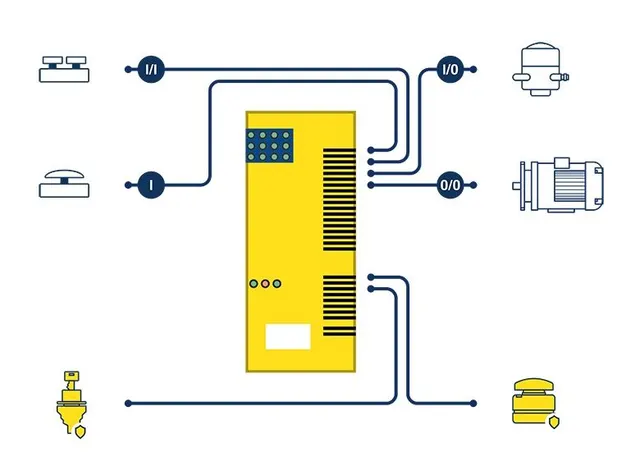
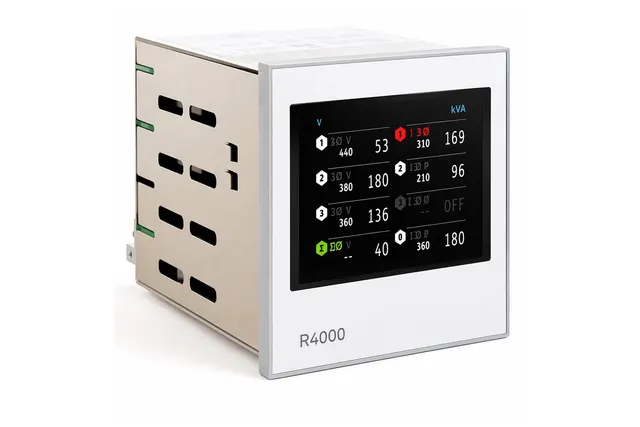
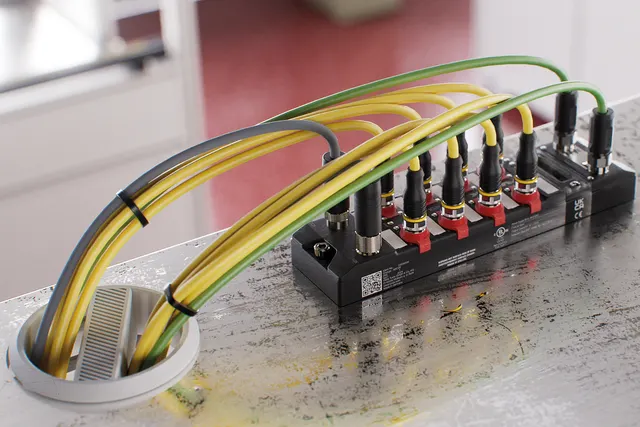
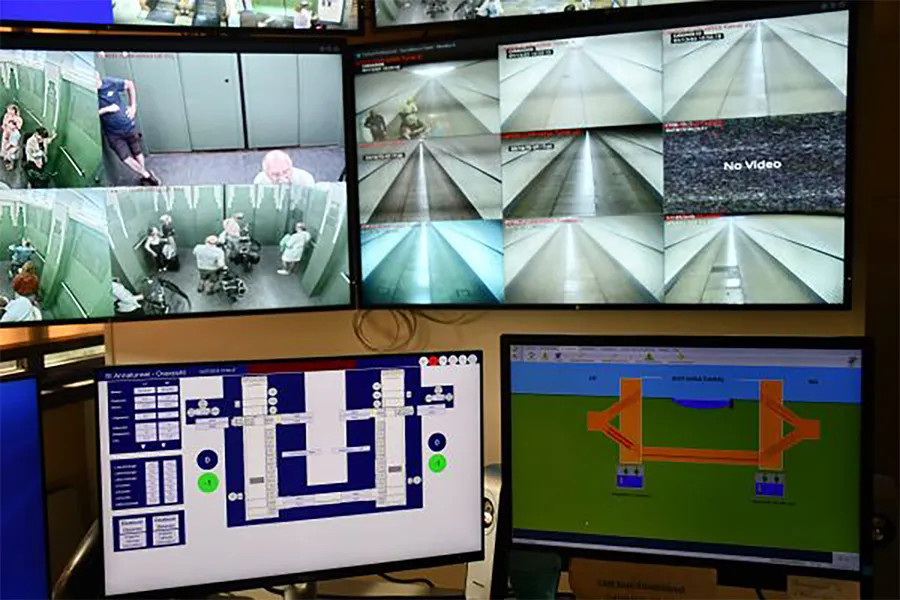
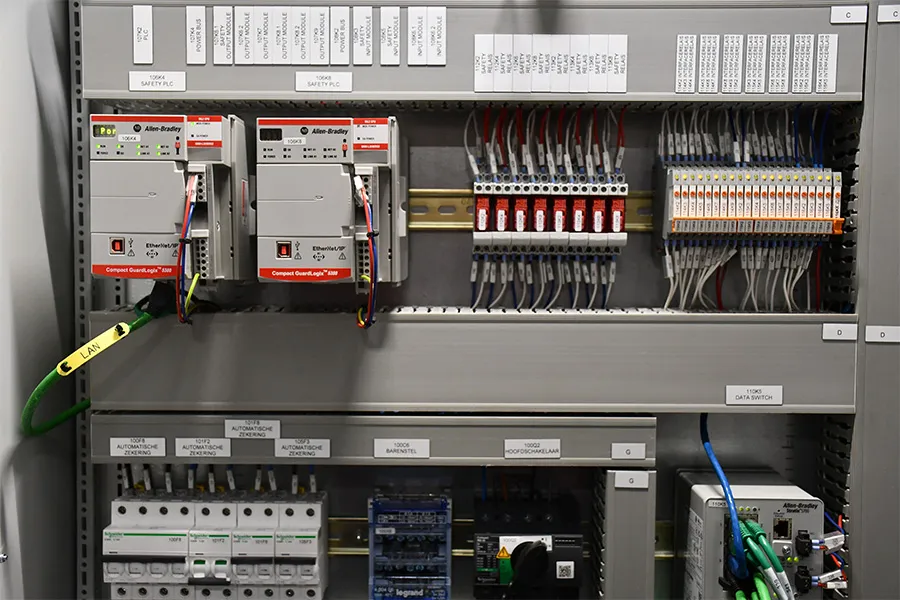
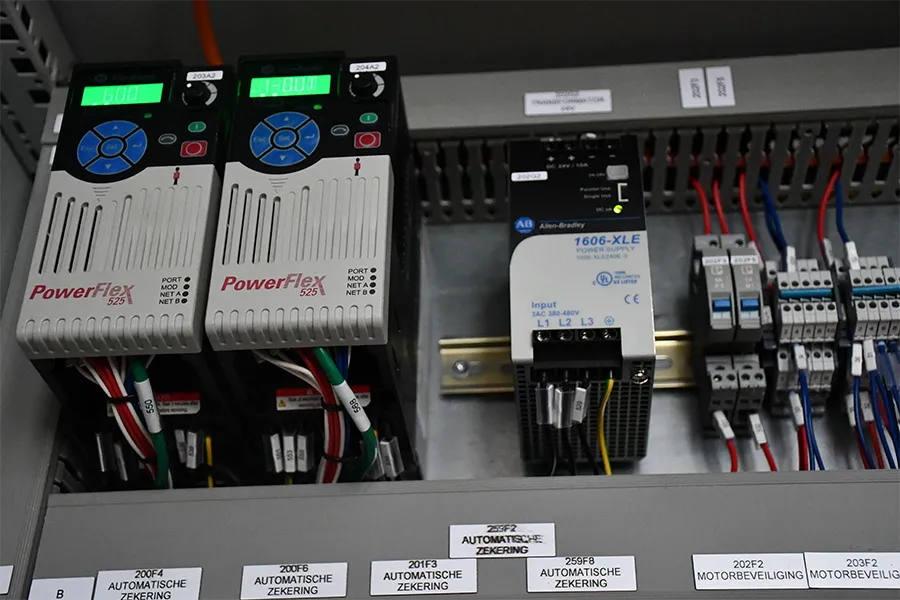
Drives are at the heart of the new installation for the Sint-Annatunnel. Michael Dieltjens of Motoren Desmedt was responsible for the engineering and explains how it works: “The drives control the old motors through a direct connection to the lift. It is an atypical setup, because the motors run at very low speed and deliver high torque, using plain bearings. Redundancy is also built in: there is a backup drive on each bank, so the system can switch over immediately if a problem occurs. The PLC is connected to several I/O islands, and control cabinets for safety technology are installed on every floor. Each sensor is equipped with IO-Link, allowing all the information to flow automatically through to the SCADA system. This means that real-time information from the lifts on both the left and right banks is collected in the tunnel control room.”
“Thanks to Rockwell Automation’s Connected Enterprise system, everything runs seamlessly,” says Dimphy Geldhof, account manager at Routeco. A secure remote-access connection can also be established through an Ixon VPN solution, also recommended by Routeco. “In short, state-of-the-art technology to ensure the lifts operate safely and reliably.”
Complex drive configuration
Motoren Desmedt had to think outside the box to ensure the lift operated smoothly and safely. “Think of it as trying to fit the control system of a modern electric car to an old lorry. You are going from a highly responsive system to a very sluggish one. It takes time and a lot of trial and error to get it right. What is more, the load is substantial: the empty lift car already weighs 18 tonnes. There is also a difference of almost 600 kg between travelling up and down, due to the cables attached to it,” says Dieltjens.
To top it all, there were also significant differences between the lift on the left bank and the one on the right. “Even though they had exactly the same motor. Perhaps it had something to do with the bombing of Antwerp in 1944. In any case, it meant we had to start configuring the drives from scratch.”
Expert support
Fortunately, Motoren Desmedt could count on an expert partner for support. “We were already familiar with Rockwell Automation technology. The end-to-end concept, in which hardware such as the PLC, drives, safety equipment and sensors, and software such as the SCADA package, form an integrated whole, adds great value. Working with Routeco meant we had everything taken care of. They not only immersed themselves in the technology and contributed their experience and detailed input, but also brought the right people together. We were particularly reliant on Routeco for tuning the drives. We had to delve deep into the firmware to do that, and we would not have managed without them.”
A satisfied customer
The result speaks for itself, and the work was completed on time. Passengers barely feel the lift move, thanks to all the hours spent tuning the drives. “Since then, the two lifts have completed 350,000 movements, with downtime of just 0.022%. And much of that downtime was caused by cyclists quickly sticking a wheel between the closing lift doors. That used to be possible, but no longer. The safety technology works differently now. So we need to educate users a little,” Sels concludes with a wink.
Een zakelijke vraag aan Routeco B.V.? Get in touch
Companies in this story

Keep following this
Get an email when a new story is published. No account needed.
- SubjectControl & network
- CompanyRouteco B.V.