Industrial communication networks are the backbone of digitalisation
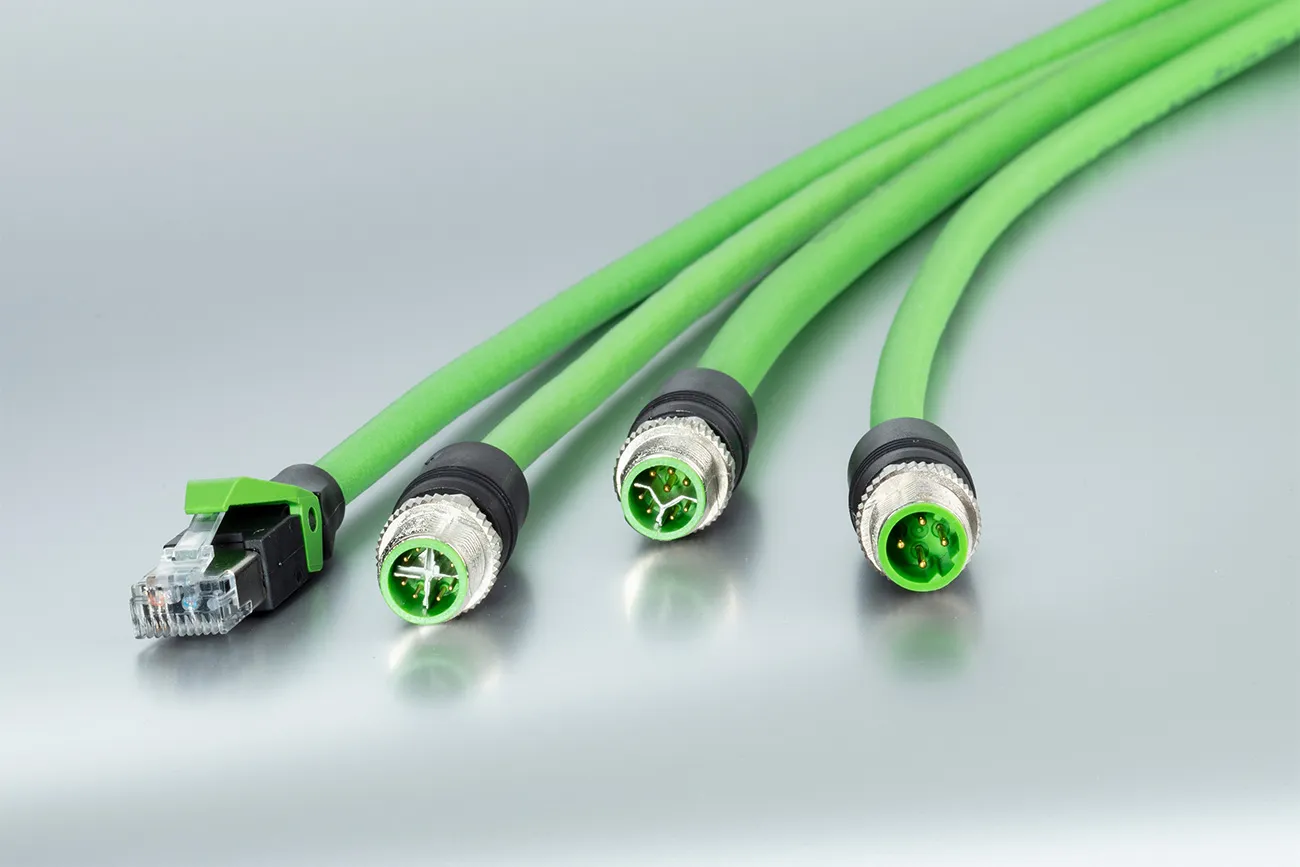
Machine and system communications are growing rapidly. Networks are the basis for data flows.
Powerful, reliable networking technology is essential to ensure successful digitalisation.
Powerful, reliable networking technology is achievable if certain conditions are met. For example, the communications network must be robust enough to handle the growing number of flexible applications. It is also important to establish the basic requirements for reliably networking a combination of conventional and/or digital devices. Finally, it is important to know whether the application is ready for future developments in data communications. In short, the design, planning and implementation of industrial communication networks require in-depth knowledge of automation technology, and must take into account the key requirements for data networks: reliability, openness and flexibility.
Design must match the application
Today’s production facilities need to be flexible and easy to modify. As a result, network topology design is crucial if you want to ensure the data-related functional reliability of machines and systems and meet current requirements. It is also important to check the concept for redundant connections, through continuous segmentation and unrestricted access to networks at higher levels. Industrial networks must not only be open and flexible, but also designed to suit the application. Individual factors selected by end users, such as digital sustainability and improved diagnostic capabilities, determine the right network topology.
Managed versus unmanaged switches
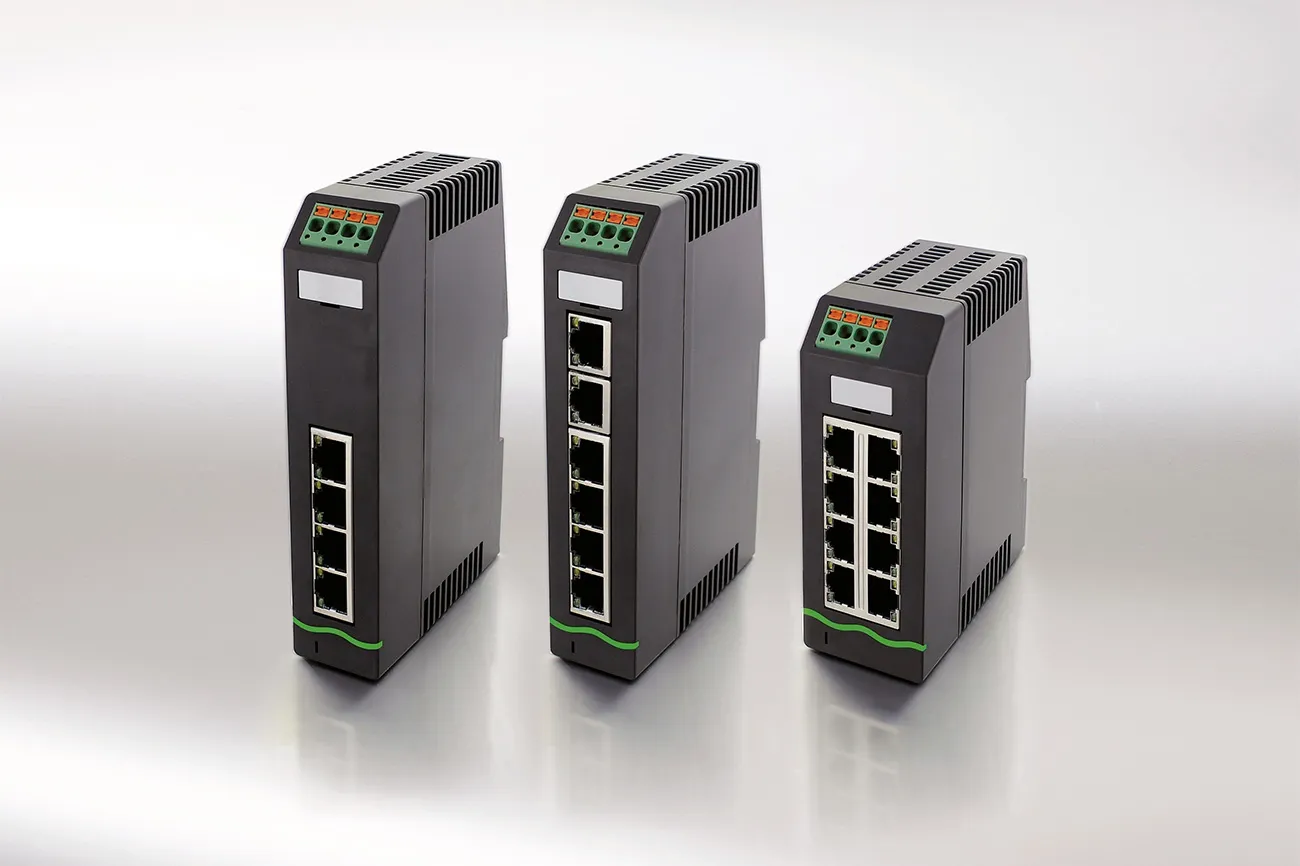
Switches play a variety of roles in installations. They connect PLCs to Ethernet users and are also used in fieldbus applications to connect all kinds of modules. It is important to choose the right switch for the right application.
Managed switches, for example, offer extensive port and device configuration options. They handle important functions for fault analysis, network diagnostics and redundancy mechanisms. These switches optimise data transmission, but require more configuration effort and therefore increase overall costs. However, using them in a network brings benefits that provide greater control, including when remote access is required. Unmanaged switches, by contrast, provide network connections for Ethernet devices, allowing them to communicate with each other. As intermediaries, they add extra ports to the network without performing intelligent functions or controlling network traffic. In industrial environments, unmanaged switches are often used in small networks.
Components and expertise
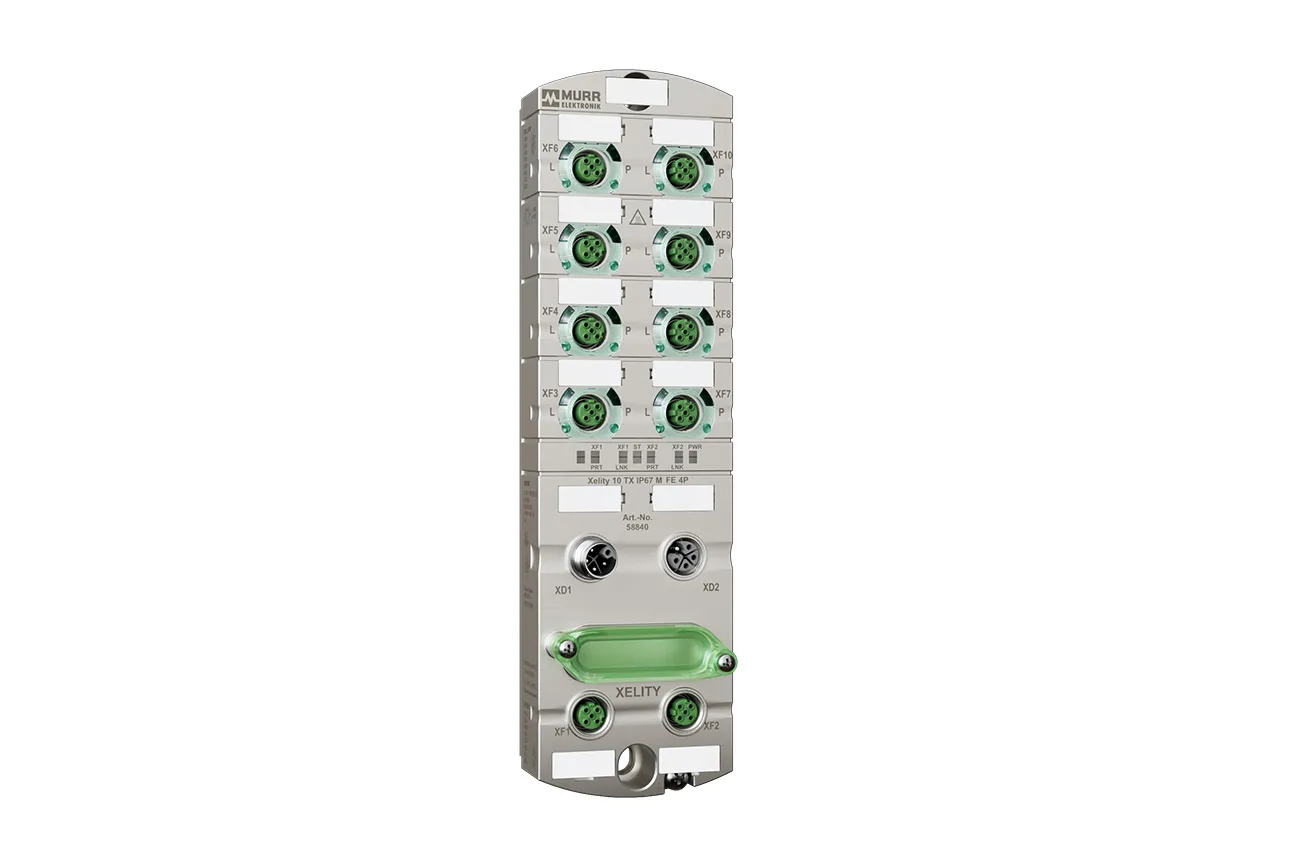
At Murrelektronik, they know that the ability to supply components, ranging from basic switches to the latest PoE technology products and the cables to connect them, is not the only important factor. Equally essential is the ability to provide support and advice to help partners optimise their data flows while reducing installation time. By sharing knowledge, presenting several options (including their advantages and disadvantages) and explaining the ‘purpose’ of the components, people can see industrial networks as a whole and the added value of the chosen solution becomes clear.
A business enquiry for Murrelektronik? Get in touch
Companies in this story

Keep following this
Get an email when a new story is published. No account needed.
- ThemeData from shop floor to decision
- SubjectControl & network
- CompanyMurrelektronik