Essential components of modern SCADA technology
Text Valérie CouplezImage iStock
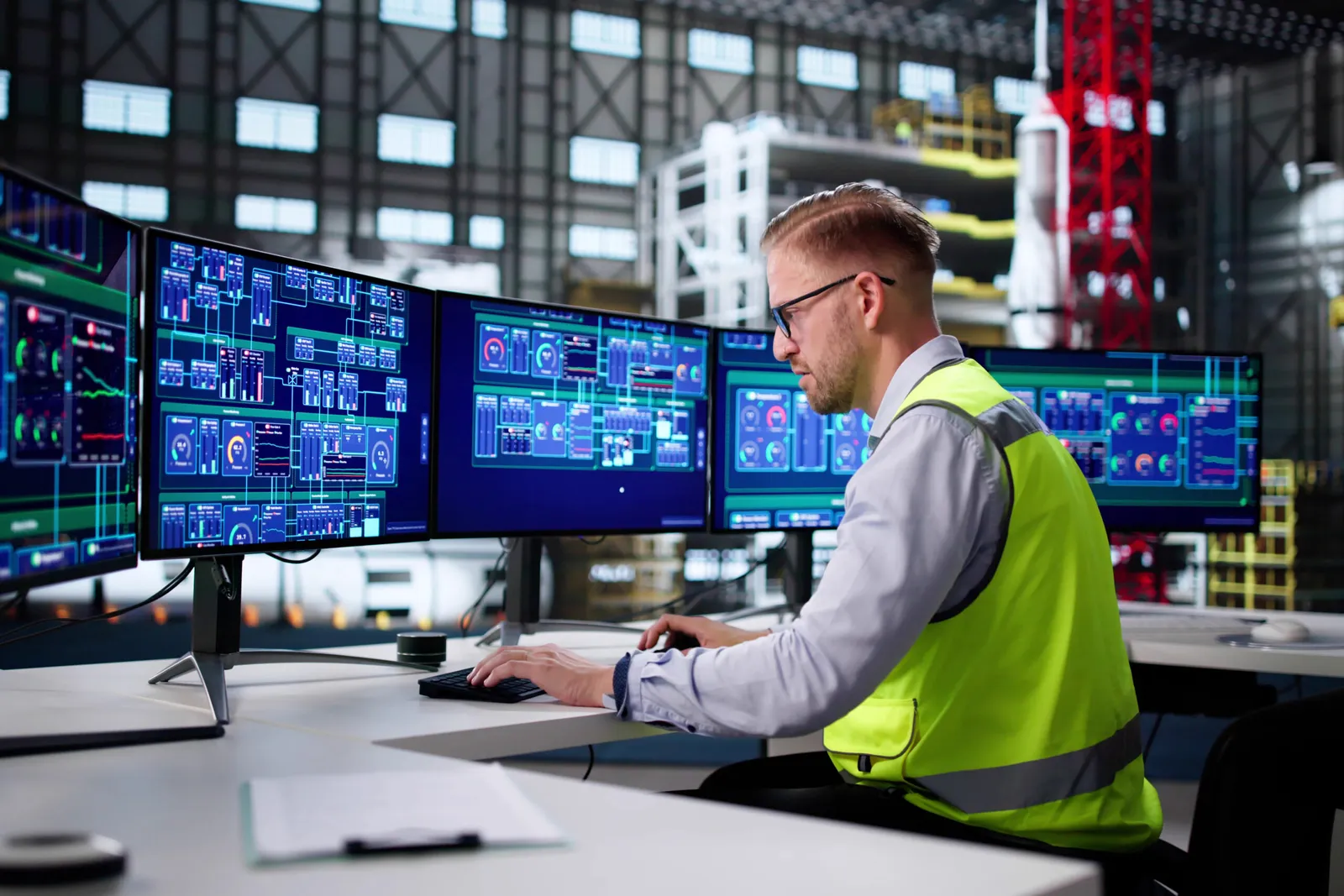
In the world of industrial automation, SCADA (Supervisory Control and Data Acquisition) is the central nervous system of critical infrastructure. Whether it is managing a city’s water supply, a vast electricity grid or a high-speed production line, SCADA systems enable operators to monitor and control processes from a single location, even across vast geographical areas.
As we move further into the age of Industry 4.0, SCADA architecture has evolved from isolated, local setups into highly integrated, data-driven ecosystems.
1. Field instrumentation and control equipment
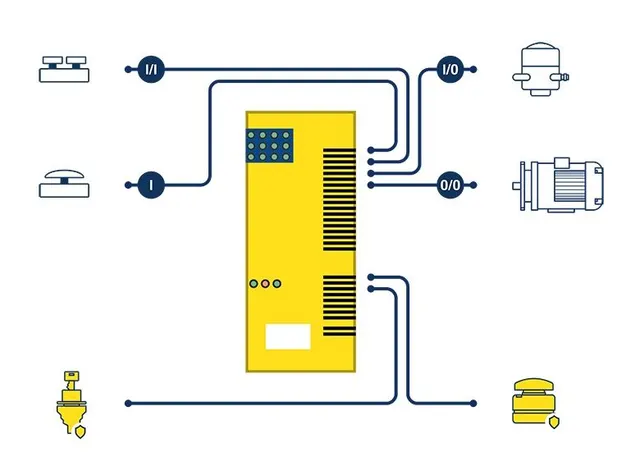
At the very bottom of the architecture, often referred to as Level 0 and Level 1, are the physical devices that interact with the industrial process. Sensors measure physical parameters (temperature, pressure, flow rate, etc.), while actuators perform physical actions (opening a valve, starting a motor). PLCs are the workhorses of the factory floor. They receive data from sensors and execute local logic to control machinery in real time. Unlike PLCs, RTUs are designed to communicate over long distances. They are typically used in remote environments, such as a pipeline in the middle of a desert, to send data back to the central station via wireless or satellite connections.
2. The communications network (the data superhighway)
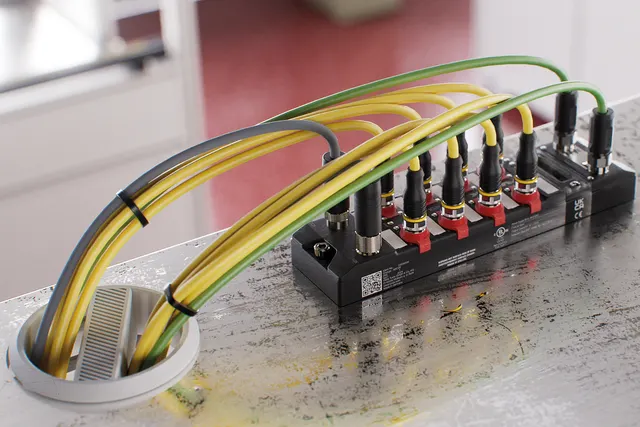
In a modern system, the communications network forms the link between the field and the control room. Traditionally, this relied on proprietary serial cables, but modern SCADA has moved to Industrial Ethernet and wireless protocols. Modern systems use robust protocols such as Modbus TCP, EtherNet/IP and DNP3. With the rise of IIoT, many SCADA architectures now use MQTT (Message Queuing Telemetry Transport), a publish-subscribe protocol that is much lighter and more efficient for remote data transmission. High-availability networks often use ring topologies to ensure that if one cable is cut, data can still reach its destination via an alternative route.
3. The MTU or SCADA server
The MTU (Master Terminal Unit) is the brain of the entire operation. It is the central server that collects, processes and stores data from field devices for analysis. The server polls the PLCs and RTUs at set intervals to obtain the latest readings. The MTU is also responsible for triggering alarms. If a pressure sensor reports a value above a safety threshold, the SCADA server detects this and immediately alerts the operators. Most modern MTUs include a Data Historian, a specialised database optimised for data spanning a given period of time. This allows engineers to identify trends in the data or investigate the cause of a previous fault.
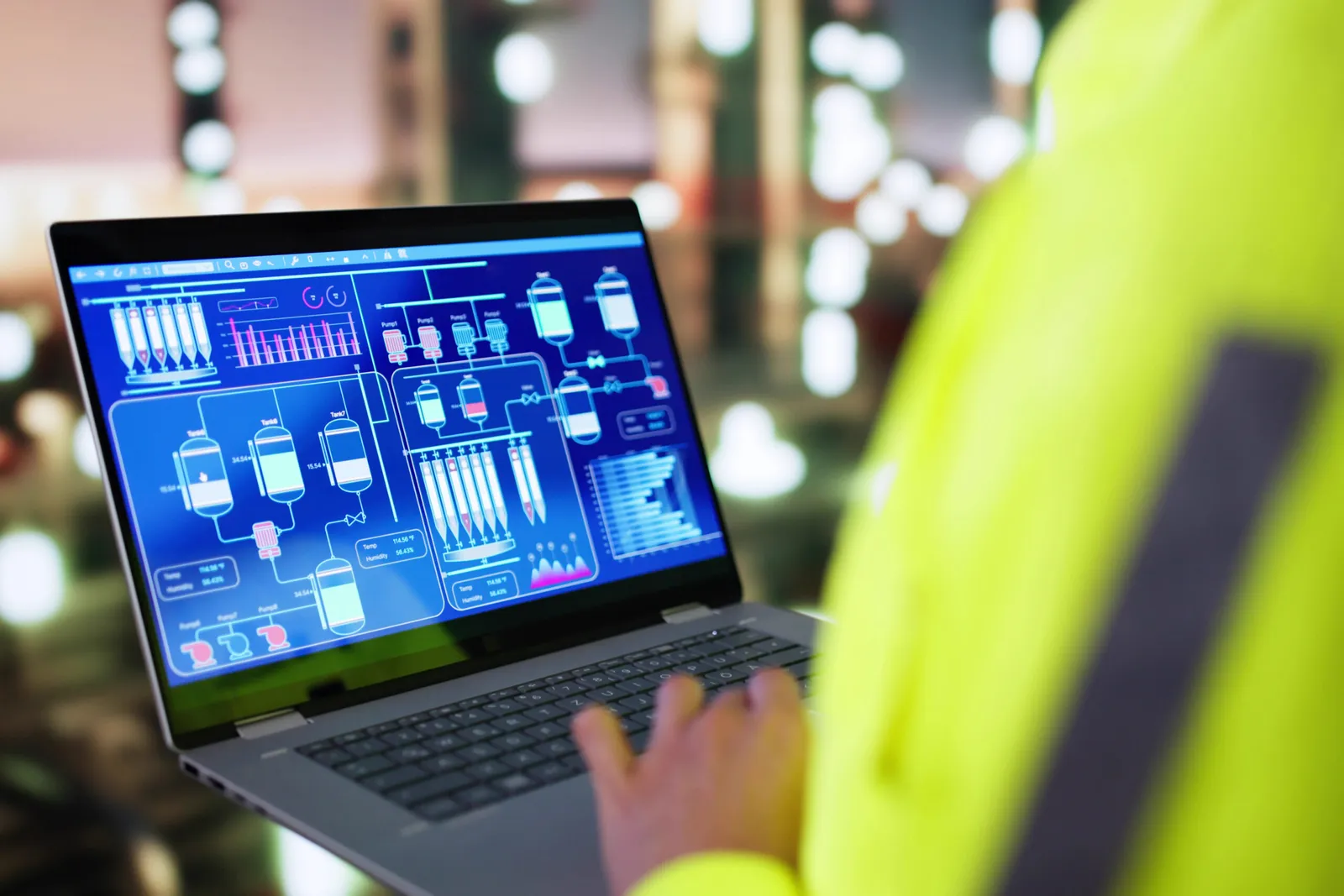
4. HMI (Human-Machine Interface)
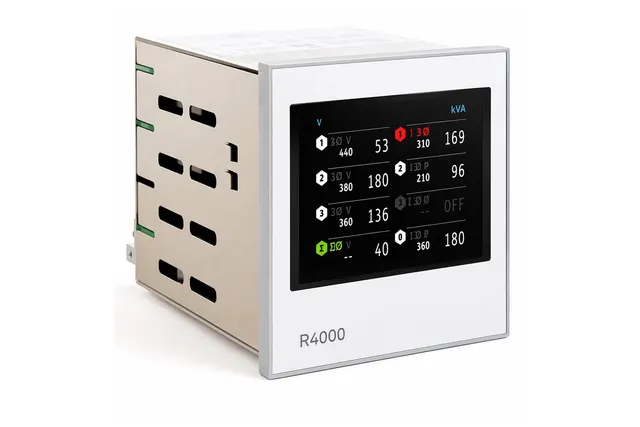
The HMI is the ‘face’ of the SCADA system. It is the software interface that translates complex machine data into visual graphics that a human operator can understand. Instead of looking at raw code or spreadsheets, operators see a digital twin of their installation. They can see a pump turn green when it is running or red when there is a fault. HMIs work in both directions. An operator can click a button on a touchscreen to adjust a setpoint or shut down a turbine remotely. A defining feature of modern SCADA is the move towards web-based HMIs (HTML5). This allows supervisors to monitor the factory from a tablet or smartphone anywhere in the world, rather than being tied to a specific desktop in a control room.
5. Security and integration layer
In the past, SCADA systems were ‘air-gapped’ (disconnected from the internet). Today, they are connected to corporate networks and the cloud, making cybersecurity a core part of the architecture rather than an afterthought. Modern architecture uses a Demilitarized Zone (DMZ) to separate the sensitive industrial network (OT) from the corporate business network (IT). By processing certain data through edge computing at the ‘edge’ (close to the machine), companies can reduce latency and filter out ‘noise’ before the most important data is sent to the cloud. Modern SCADA does not operate in isolation. It feeds data directly into ERP systems to help management make better business decisions based on real-time production costs.
Why architecture matters
A well-designed SCADA architecture ensures that an industrial operation is not only efficient but also resilient. By choosing the right field equipment, securing the communications network and using modern HMI tools, companies can turn their raw data into a competitive advantage.
Question about this story? Ask your question
Keep following this
Get an email when a new story is published. No account needed.
- ThemeData from shop floor to decision
- SubjectControl & network