A radar that meets every expectation: technically and financially
Texte & photos Valérie Couplez
Switching supplier is not always necessary to get a technologically better-performing solution. With the introduction of the new VEGAPULS C21, radar technology has suddenly become far more affordable. The Compagnie des Ciments Belges is convinced of it. This level sensor offers much better control and greater ease of use. Combined with VEGA's service, it is a winning combination.
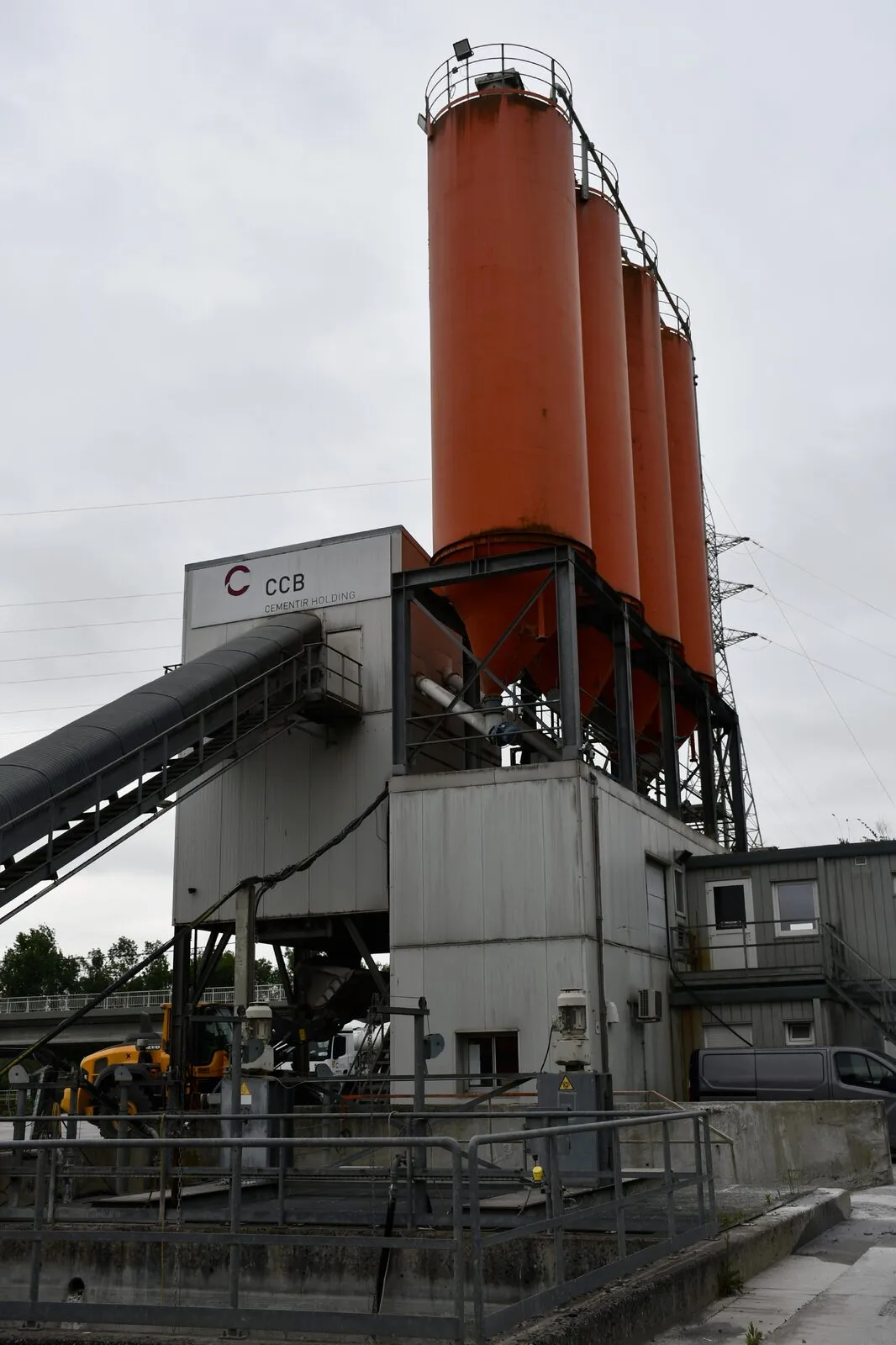
The Compagnie des Ciments Belges (CCB) operates eight concrete plants in Belgium and four in northern France. Together they produce nearly 750,000 m³ of ready-mixed concrete, certified BENOR or AFNOR. CCB, a subsidiary of the Italian group Cementir since 2016, also runs three limestone quarries and a cement plant at Gaurain-Ramecroix (Tournai), close to the French border, the largest cement plant in Europe. "The synergy between our different activities allows us to share a great deal of expertise and requires us to adapt constantly by investing in innovative and sustainable products."
The limits of capacitive level measurement
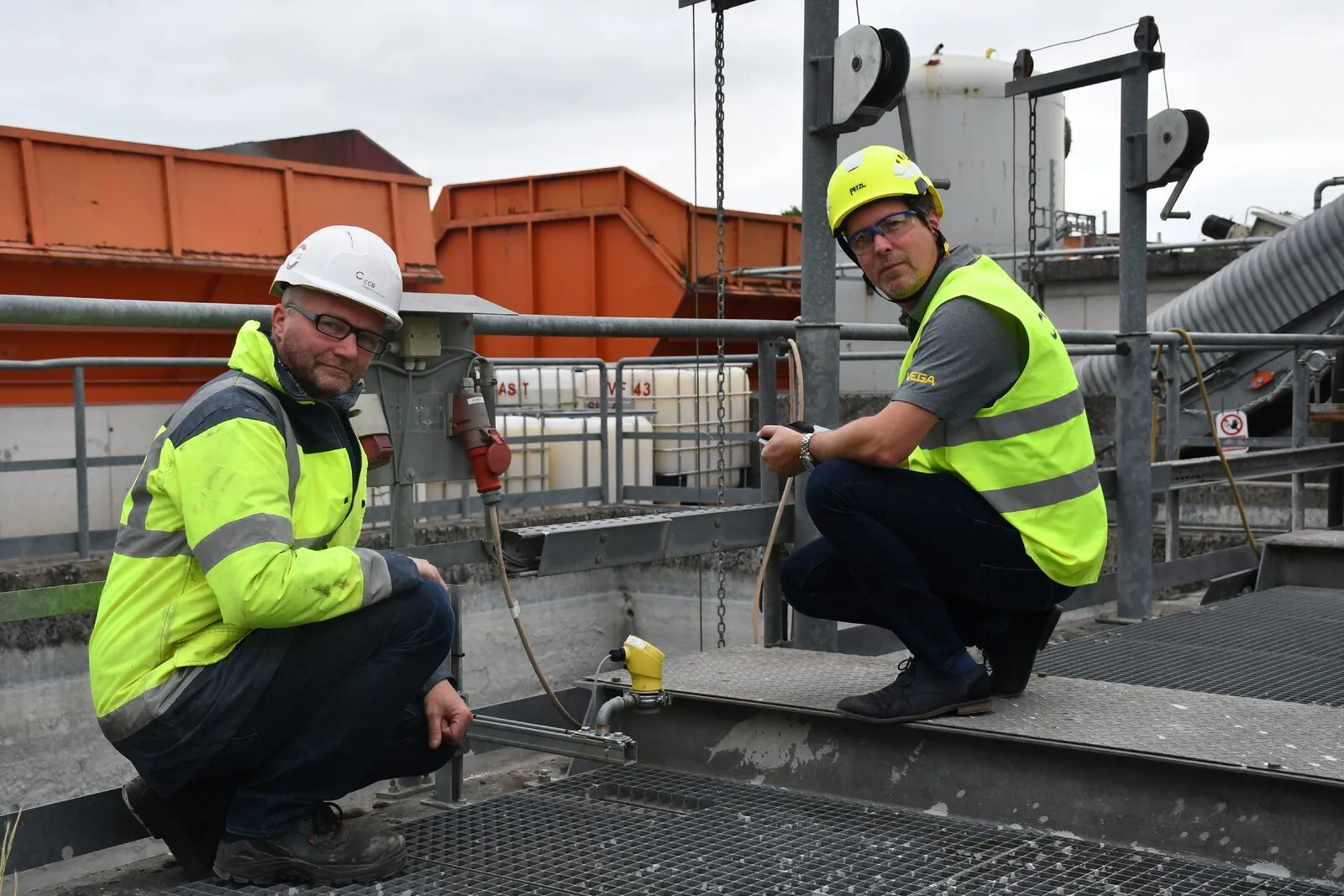
Today we are visiting the CCB site at Baudour, just outside Mons. Pierre Duthoit, maintenance manager for the concrete business since 2001, shows us around. "Our customers are located within a radius of about 30 km around the site. Ready-mixed concrete is subject to very strict rules regarding placement time. For many years, CCB has relied on VEGA instruments to monitor its levels. Traditionally, this was done using capacitive measurement. It is a robust measurement, but with certain limitations: "Commissioning is not simple and has its limits: when setting up the capacitive probes, the silo had to be emptied and then filled. Once the probe was set, you could no longer change the product in the silo," explains Pierre Duthoit.
The new radar sensors as the solution
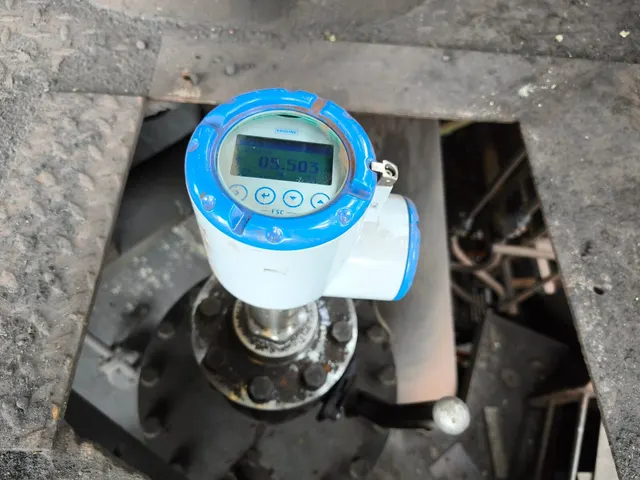
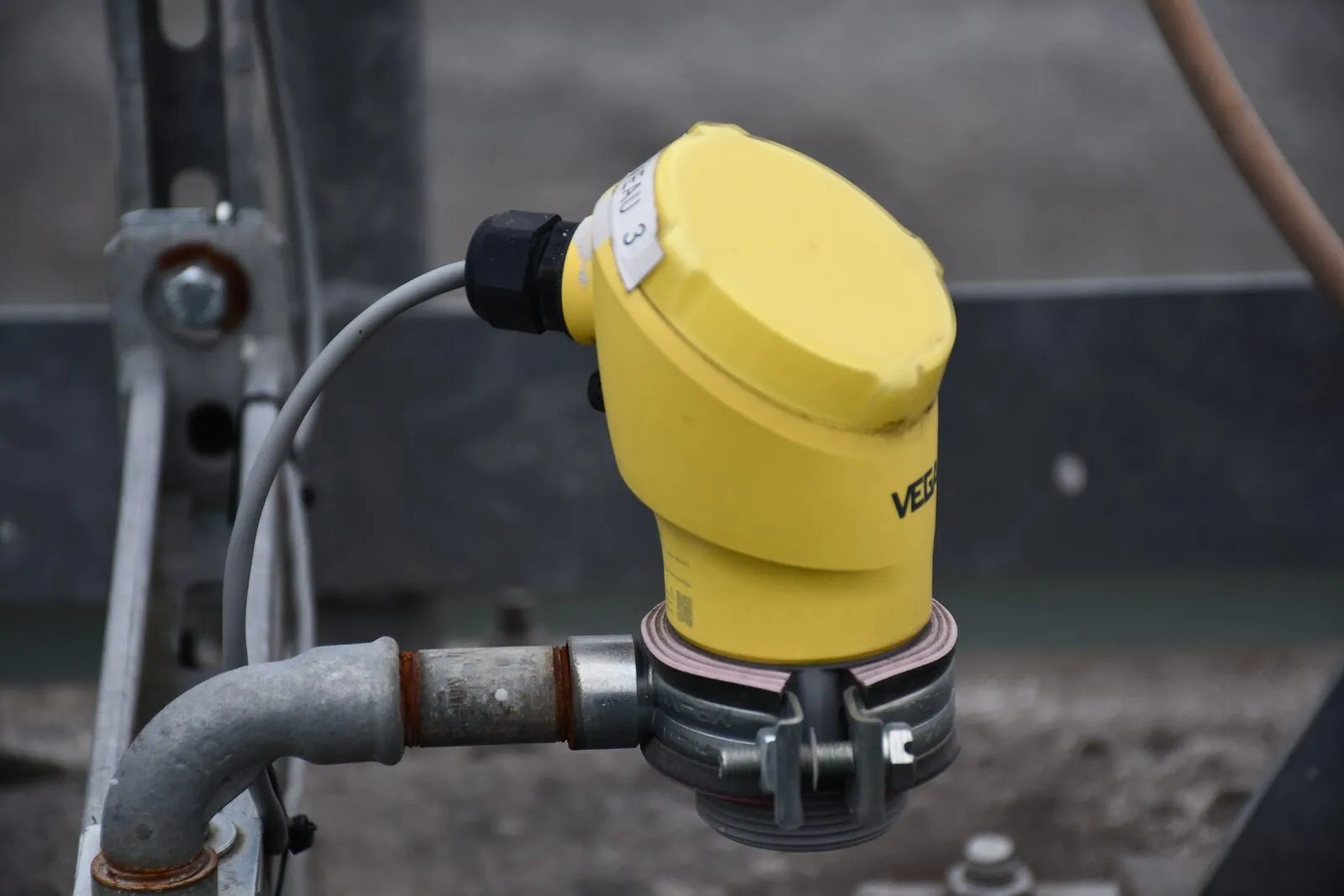
CCB kept looking out for technically better solutions. "Several years ago, we had already run tests with radar instruments, but it was not ideal: the beam angle of the first radars was very wide and their cost was too high for concrete plants." Vincent Vanwelde, Field Manager at VEGA, nevertheless kept a close eye on his customer's needs. When the new VEGAPULS C21 radar sensor was launched in 2020, he immediately saw its potential. "These sensors are perfectly suited to the processes in concrete plants. Our VEGAPULS C21 has the same chip, and therefore the same intelligent measurement technology, as our VEGAPULS 6X radars, but in a more basic version. That is ideal here, as there are no high temperatures or high pressures involved," explains Vincent Vanwelde.
"Ideal for every application"
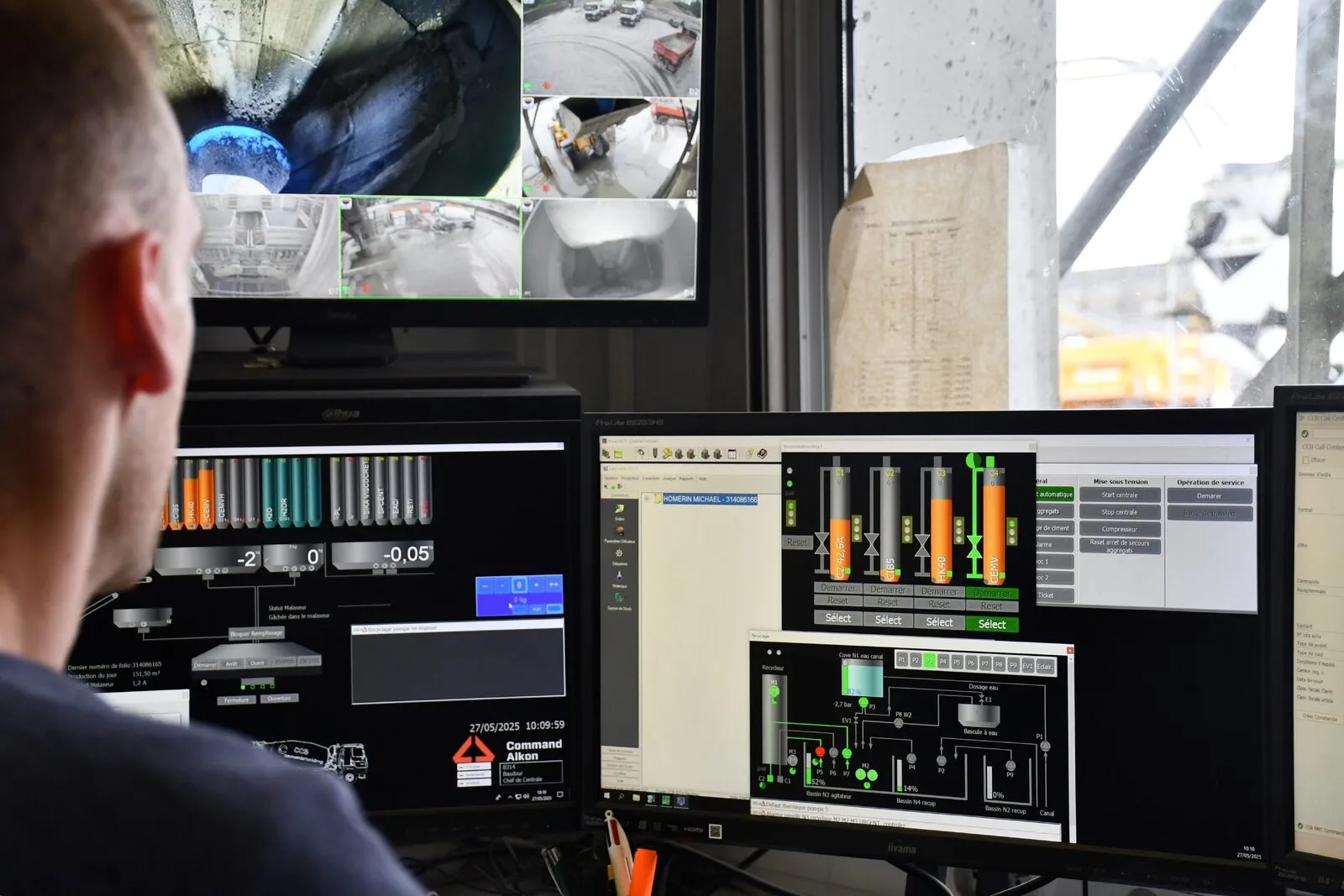
Pierre Duthoit was convinced too. "The first ones were installed where the need was most urgent, notably on the cement and aggregate silos. It immediately proved its worth thanks to non-contact measurement, easy configuration with the VEGATools app, simple adjustment to suit the application and consistently reliable results." Since then, the old instruments are all being gradually replaced by the new VEGAPULS C21 radar, including in water basin installations. Pierre Duthoit and his team carry out this work themselves. "It really is a universal sensor that suits every application, one and the same probe that measures the level of a solid as well as of a liquid. In the past, VEGA had to come on site to make the settings on newly installed sensors; today it is much simpler." For Pierre Duthoit, this new standardisation on a single radar sensor therefore represents a huge saving in time and efficiency. "That is what makes me happiest: having found a sensor, here the VEGAPULS C21, that meets all of the customer's needs," concludes Vincent Vanwelde.
A business enquiry for VEGA N.V.? Get in touch
Companies in this story

Keep following this
Get an email when a new story is published. No account needed.
- ThemeSensing and vision in production
- SubjectProcess & instrumentation
- CompanyVEGA N.V.