Measuring viscosity need not be complex
Texte Evi Husson | Photos Elscolab
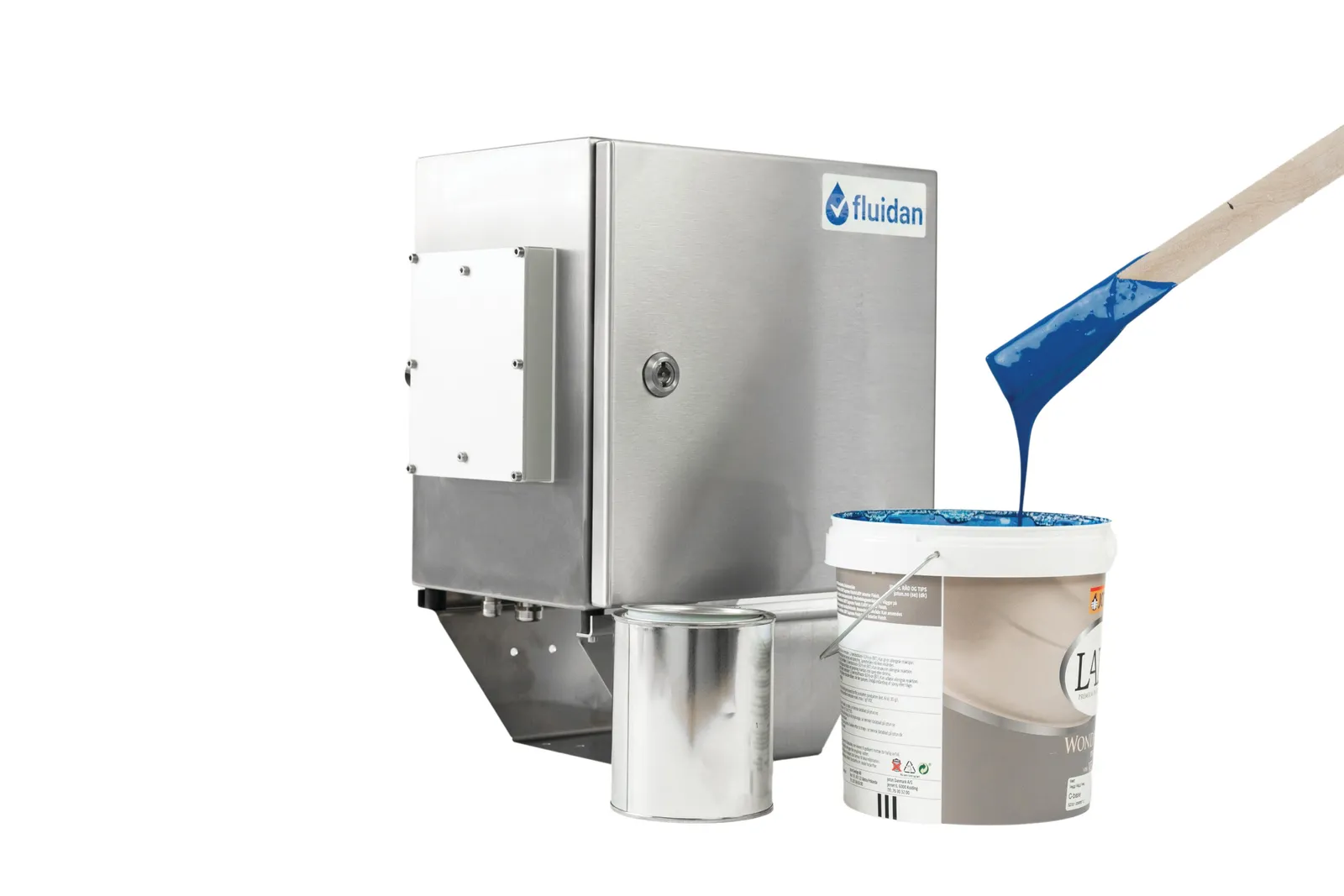
In-line viscosity measurement is an advanced solution for continuously measuring viscosity in production environments. It may seem straightforward, but it is far more complex than measuring pH, flow rate, temperature, etc. Geert Van Cleemput, who works at Elscolab, takes a closer look at viscosity.
“A product’s viscosity is not a fixed value. It is a physical parameter associated with a fluid in motion. There are two types of fluid. In so-called Newtonian fluids, viscosity remains unchanged regardless of the conditions. In non-Newtonian fluids, such as ketchup, paint or shampoo, viscosity varies according to the shear rate. This is the speed at which layers of a fluid slide over one another. ‘If you stir a tin of paint, for example, the substance seems very viscous, but as soon as you spread it in a thin layer, it is very easy to do,’ explains Geert Van Cleemput. He is responsible for sales support at Elscolab and, as an expert in viscosity measurement and rheology, teaches various courses in the Netherlands and Belgium.
Conventional viscosity measurement method
Measuring viscosity is not easy. “Conventional in-line systems measure viscosity at very high shear rates, masking various process effects. A complex model is then created, in which measurement results are extrapolated against several variables to obtain viscosity under normal conditions. However, this does not always guarantee the required accuracy. When a product’s recipe or composition changes, new calculation models have to be created, which takes a great deal of time.”
A new method
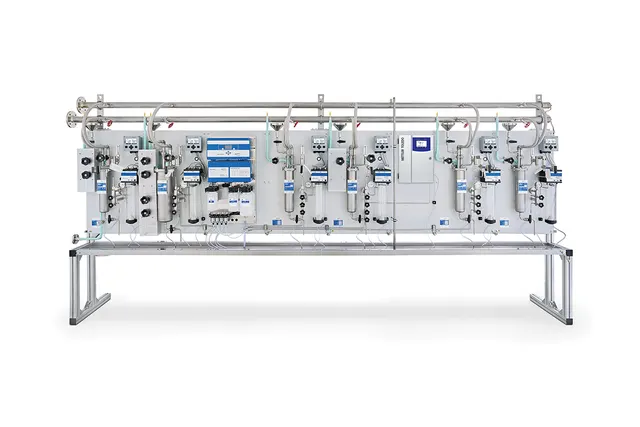
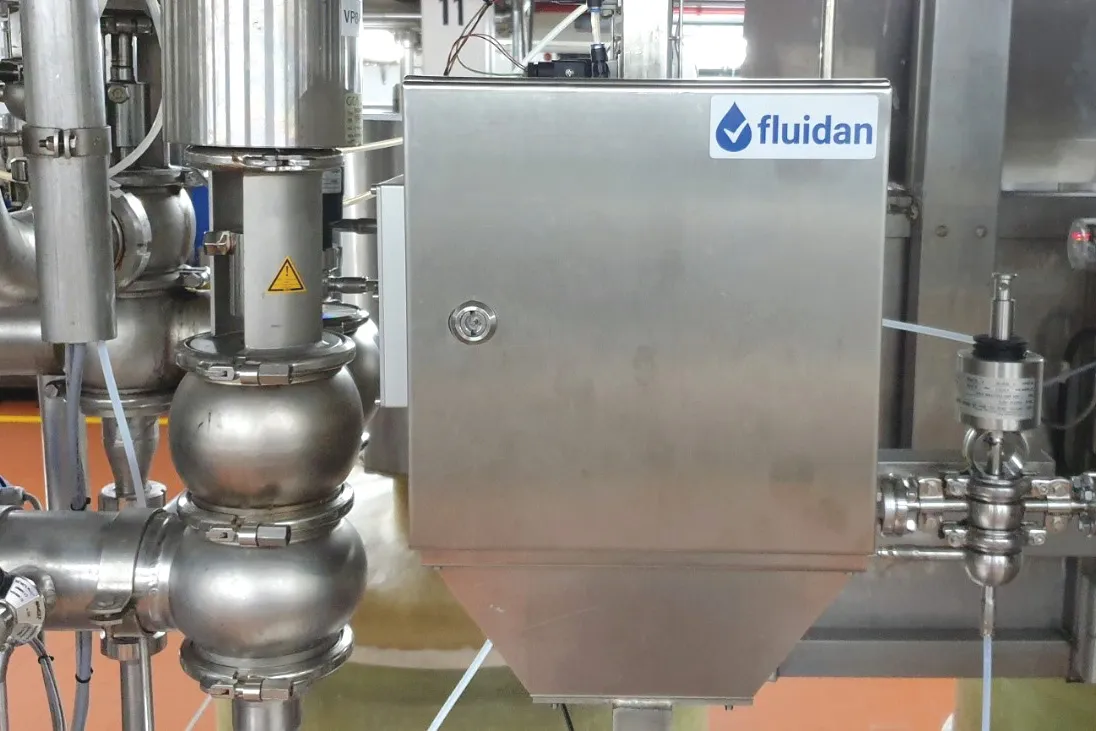
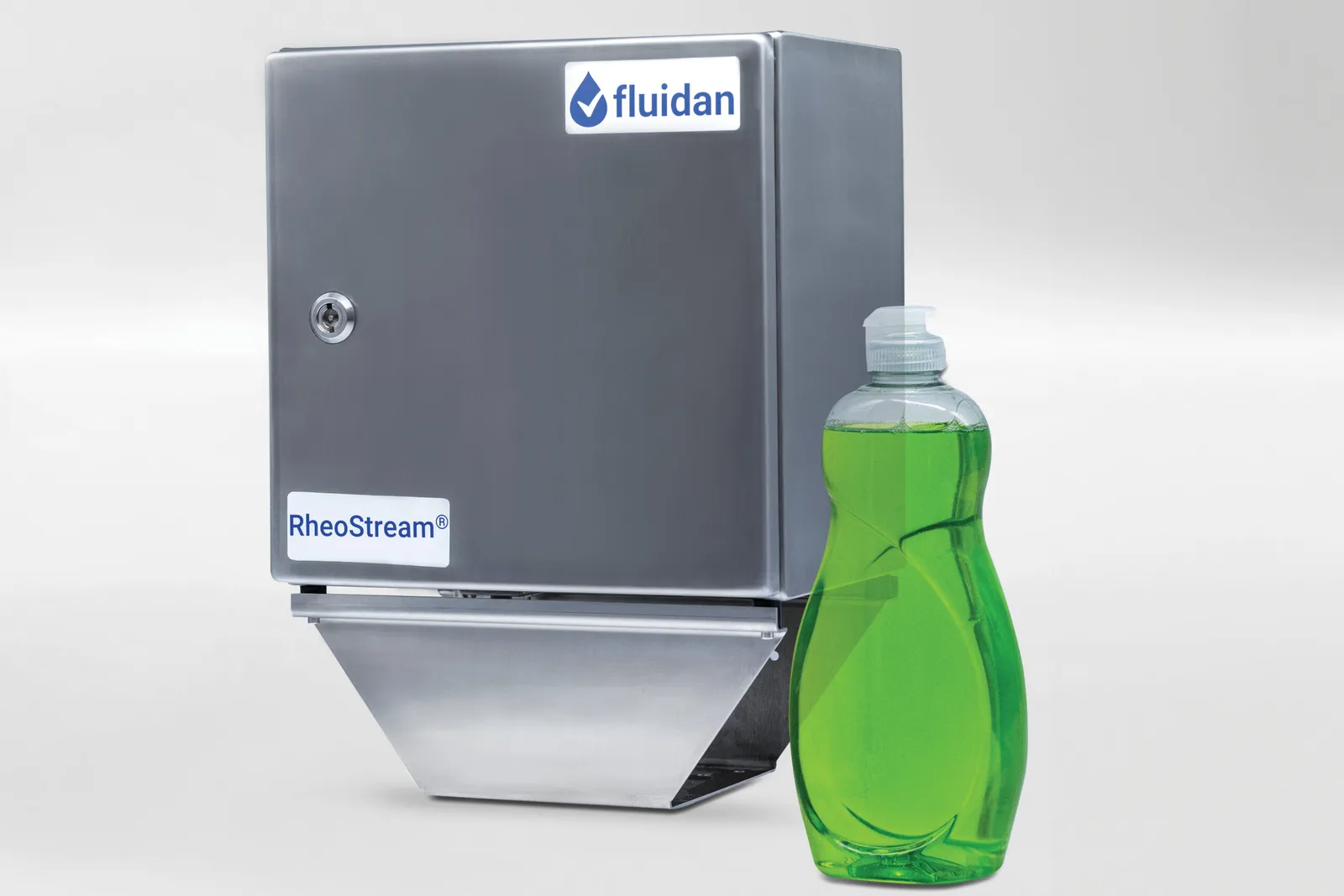
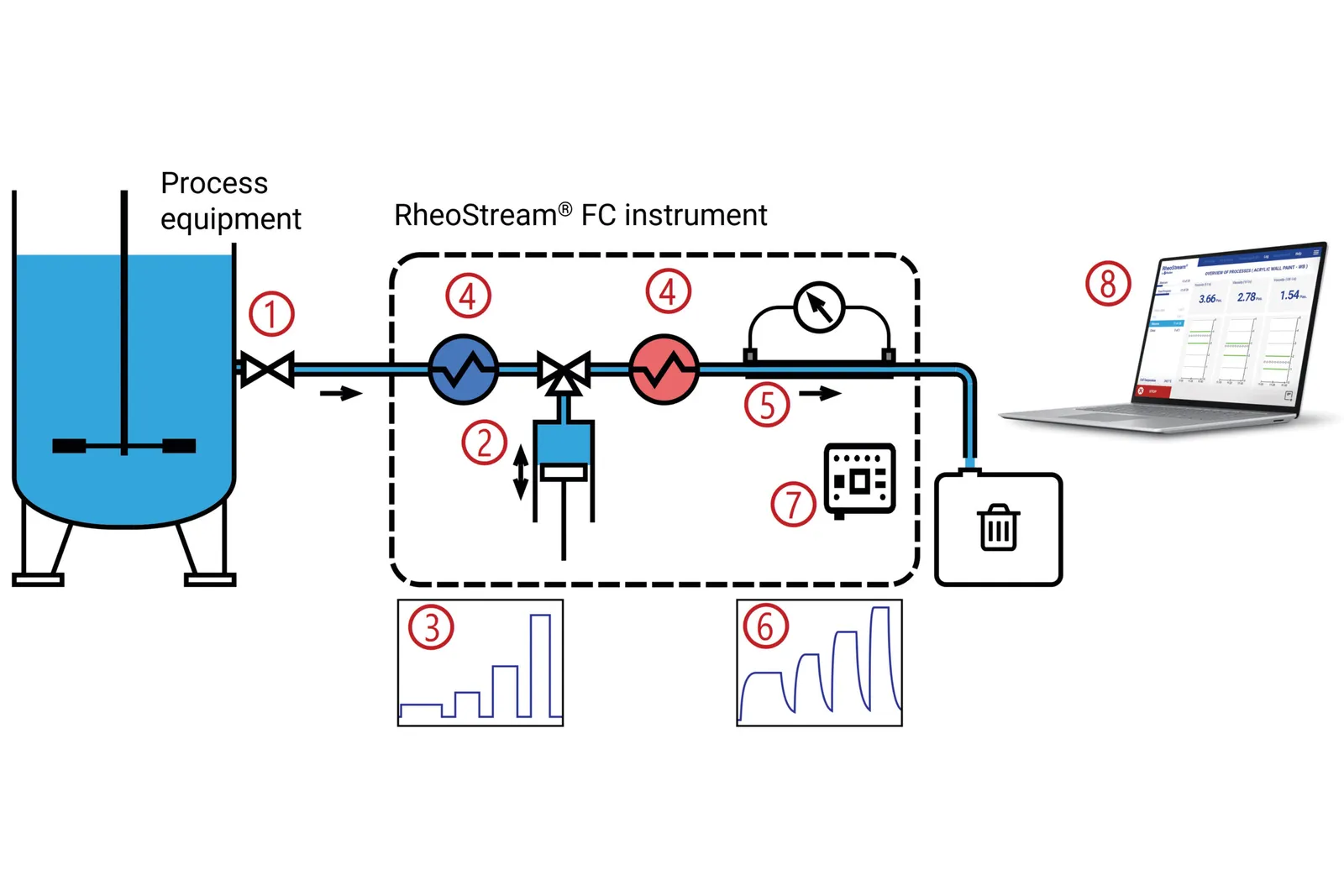
There is another solution. “The solution we offer, RheoStream from Fluidan, takes a sample fully automatically and pushes it through a capillary under controlled conditions at different shear rates to measure viscosity. Measuring at several shear rates produces a compact rheological profile. Once the measuring instrument has been calibrated, viscosity is displayed accurately, regardless of production process conditions. This makes it possible to measure complex products and serve industries that frequently change recipes. The instrument always delivers an accurate result, leading to reliable product quality, less waste and more efficient production processes.”
A wide range of applications
Viscosity measurement is important in various sectors, not just in the food industry, where it is used to assess the consistency of sauces, yoghurts, syrups, etc. Viscosity also plays an important role in the oil and gas industry (fuels), the chemical industry (coatings, varnishes, paints, adhesives), the cosmetics industry (creams, shampoos, lotions, etc.) and the pharmaceutical industry (syrups, injectable liquids), among others.
Battery technology
Geert Van Cleemput highlights another important application: battery technology. “In lithium-ion battery production, electrodes are made from a paste comprising active materials, conductive additives, solvents and binders. It is essential to control this so-called ‘electrode paste’ properly. Crystal formation during the manufacture of cathodes and anodes affects battery efficiency. In-line viscosity measurements make it possible to monitor crystal formation in battery technology slurry processes. We believe this instrument will enable us to make an important contribution to the industry. We offer not only accurate measuring instruments, but also our expertise and support whenever needed.”
Benefits
Geert Van Cleemput sums up all the benefits. “This solution provides continuous monitoring and automatic adjustment. Manual measurements are no longer necessary, saving operators a great deal of time. It also ensures accurate, consistent measurements. There is no overdosing of costly raw materials, and the number of defects in the finished product is also significantly reduced. In addition, real-time data enables operators to detect and correct anomalies immediately. RheoStream integrates easily into various production environments, without complex modifications to existing installations.”
Question about this story? Ask your question
Keep following this
Get an email when a new story is published. No account needed.
- ThemeMeasurement for process control
- SubjectProcess & instrumentation