Software, IT, OT & cybersecurity
Software-defined automation is changing the game in the process industry
Texte Valérie Couplez | Photos Siemens
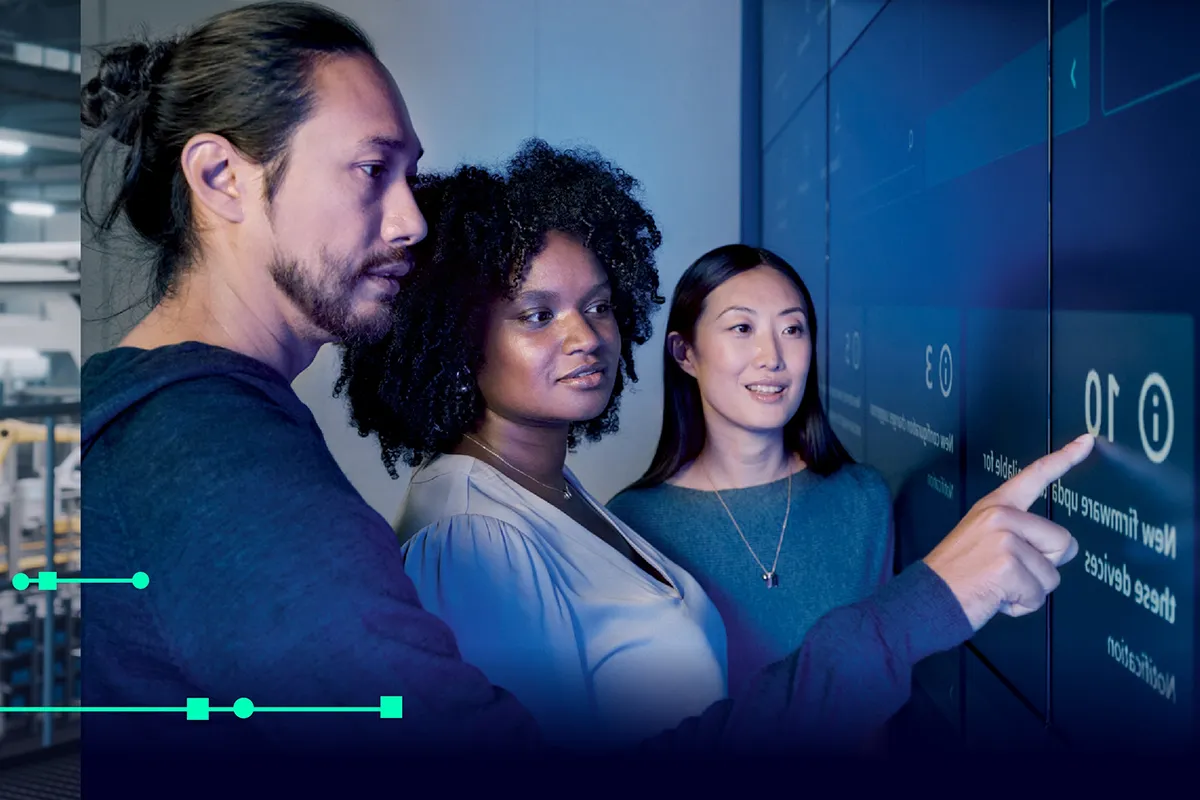
Can the process industry still survive in Western Europe? It is certainly not easy, with rising energy prices and the steadily shrinking availability of technical staff. For Siemens, the answer lies in Software Defined Automation (SDA). This approach uses software to control automation systems, rather than tying them to specific hardware. The traditional automation pyramid, with its hierarchical levels, is replaced by an architecture that starts with users. According to Rebecca Vangenechten, Head of Automation and Engineering at Siemens Process Automation, this approach offers the flexibility the process industry needs to meet its challenges.
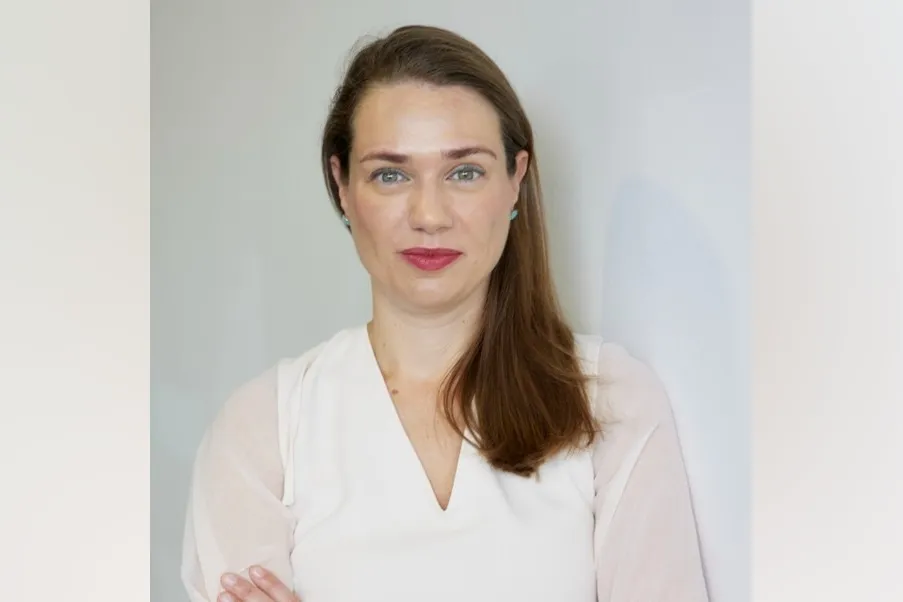
Rebecca Vangenechten now has around 15 years’ experience at Siemens, “in various roles, but always with a focus on the process industry. Despite its lack of appeal, it is a particularly exciting sector, where great things happen and where our technology can really make a difference,” she says, summing up her career. For her, the next steps in process automation are all about digitalisation. “By bringing the digital and physical worlds together, we can make better decisions.”
The industrial metaverse
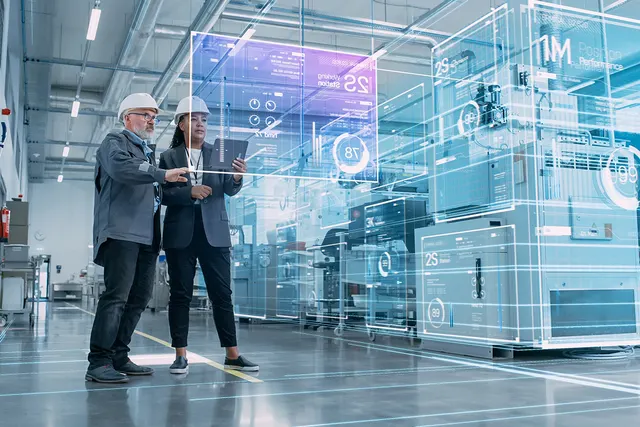
Rebecca Vangenechten believes the industrial metaverse could spark a revolution. And it goes beyond the digital twins already widely used in industry today. “These digital twins, virtual representations of physical assets or processes, are the foundation and building blocks of this new immersive world. But they need to be connected, which requires a robust IoT infrastructure capable of collecting data from sensors and devices to feed the metaverse for analysis and visualisation. Add a touch of artificial intelligence and you can lay the foundations for autonomous decision-making processes.”
Software-defined automation
Rebecca Vangenechten has one more building block in mind, and it is an important one. “The final piece of the puzzle, in our view, is Software Defined Automation. Hardware will always be needed to interact with the physical world, but software will provide the flexibility we need. Ultimately, we see software moving towards an ‘as a service’ model, where customers can choose the features they need and decide where to deploy them: in the cloud, at the edge or in their own production facility. This type of offering is already commonplace in the IT world, but it is a new trend for OT. We are seeing that companies which have already digitised their processes extensively are the most receptive. But smaller companies also benefit when technology is treated as an operating cost rather than a capital expenditure.”
Benefits
A distant prospect? Not at all. Siemens is already working with several customers to build the industrial metaverse, enabling users to interact with processes using AR and VR technologies. The benefits are clear, says Rebecca Vangenechten. “Breaking down data silos allows data to flow between integrated systems, providing a holistic view. Real-time data access helps address operational issues appropriately. Streamlined processes increase efficiency and reduce costs. Flexibility makes it possible to adapt quickly to market changes without modifying hardware. And teams can work together more effectively across departments,” she lists.
Cybersecurity first
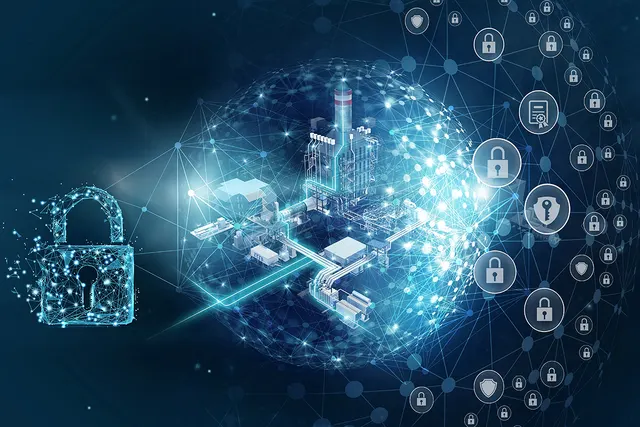
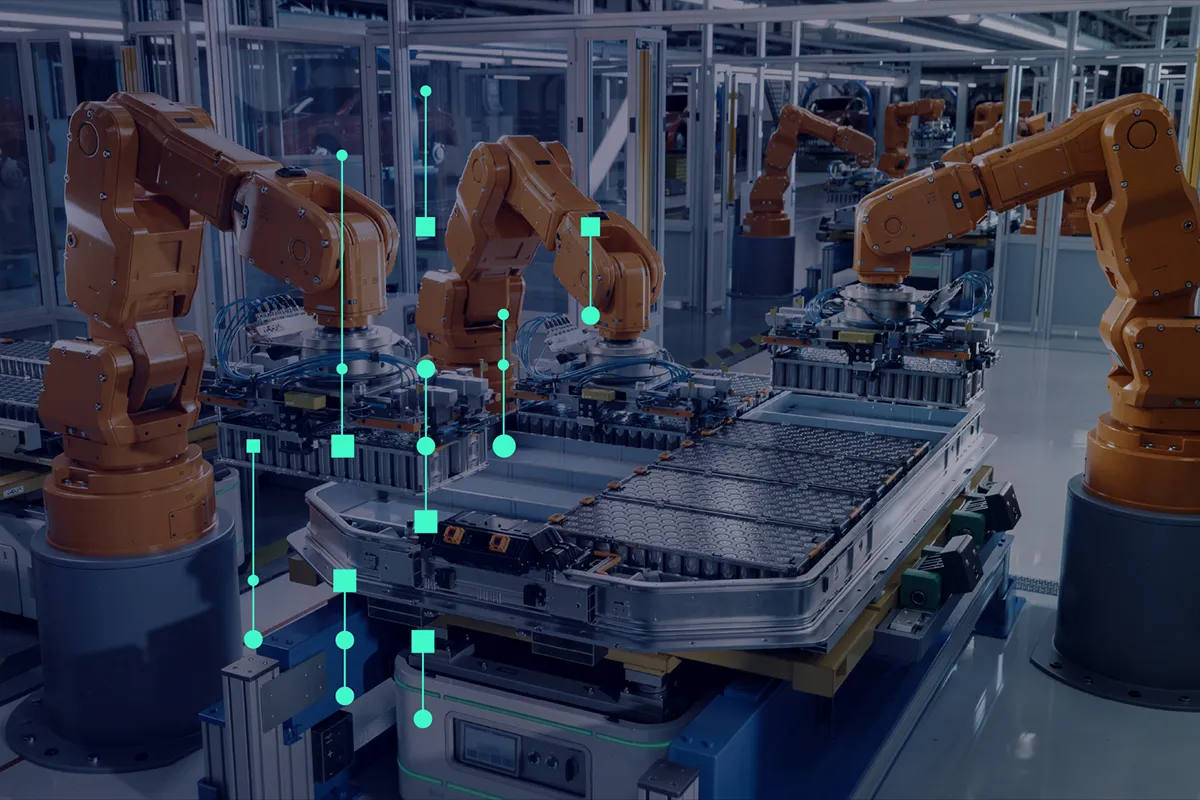
And the benefits are not confined to the factory floor. The industrial metaverse also creates opportunities to collaborate with partners across an ecosystem. “It also makes engineering more appealing to future generations. Tomorrow’s technicians are software natives. We need to show them that information technology and operational technology go hand in hand.” This does not mean there are no more obstacles to overcome. The need for sufficient standardisation is one. Rebecca Vangenechten also sees cybersecurity as a priority. “The existing infrastructure in factories will obviously need to be upgraded. I’m thinking of edge computing to process data efficiently on site, as well as reliable connectivity. We will then need to integrate this new technology with legacy systems, because it is impossible to change an entire process all at once. But the more connections we establish, and the more IT and OT become part of the same architecture, the more important it is to ensure this is done with cybersecurity in mind.”
An inevitable evolution
Is the process industry, often seen as conservative, ready to take this path? “For years, the mantra has been: the less we have to change our business strategies, the better. But the shift towards more software is inevitable, given the challenges we face. Our job as a technology partner is therefore to make this transformation as easy as possible for our customers. That means not only developing the right hardware, software and services, but also working with customers to consider their processes and objectives. What do they want to do themselves? What services do they want to receive? It is no small undertaking.”
Getting data flowing
There are already some great success stories, though, showing what is possible. “A vaccine plant in Africa operating without operators, but controlled from Germany,” says Rebecca Vangenechten, citing an example involving Siemens. “Data sharing remains a major challenge, both with technology partners, to develop the right business case or enable ‘as a service’ models, and among everyone within the company. The goal is to ensure data flows transparently between all roles and departments from a single source of truth. Everyone needs the data they need to work more efficiently. The technology is there to protect intellectual property through cybersecurity, and that intellectual property always belongs to the customer, but many companies still find this challenging. It is up to us to help them understand the efficiency gains and cost savings that come from getting data flowing.”
Artificial intelligence as an enabler
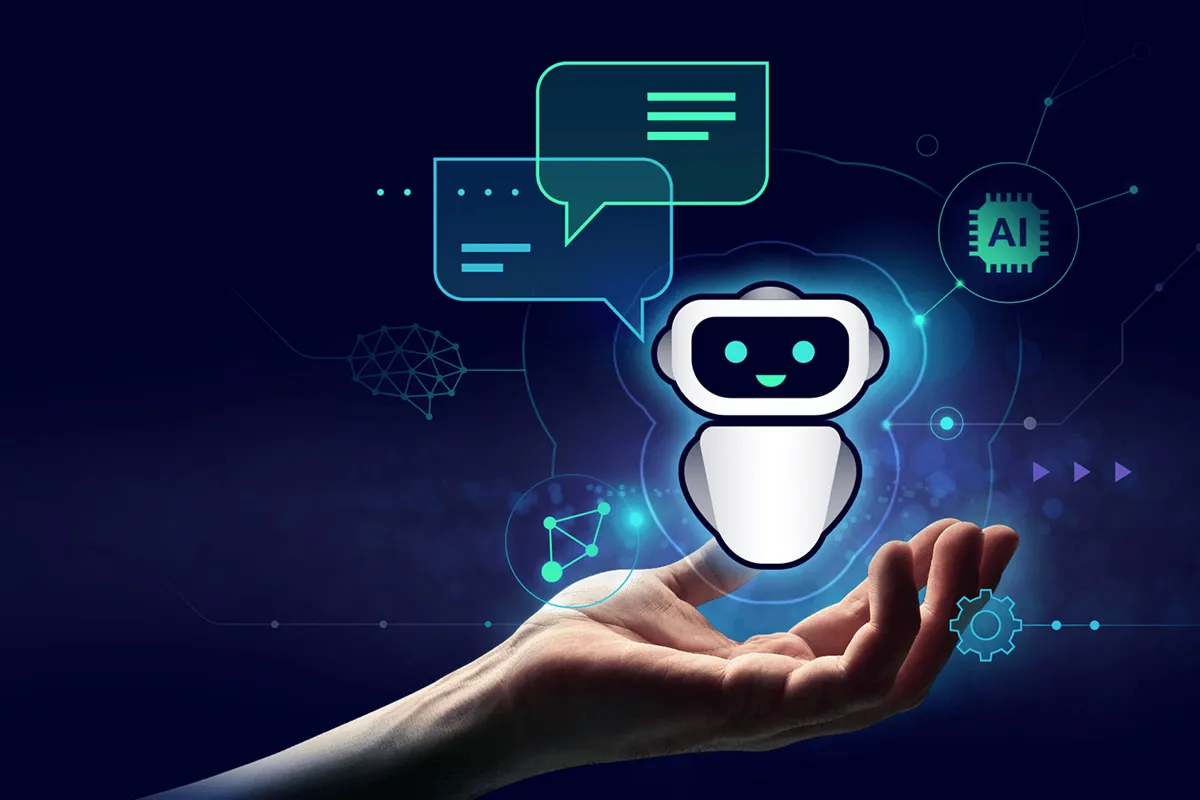
But the journey does not end there. Today’s software-defined automation will be further enhanced by AI-based solutions. At Hannover Messe, Siemens’ Industrial Copilot had its first outing. At the most recent SPS trade fair, an AI-based Assistant for operators was presented. “We see artificial intelligence as an enabler for automating and optimising processes. The Assistant helps operators interact with machines, for example to resolve errors, carry out maintenance tasks or improve performance. With the GenAI SFC Generation tool, we are moving more into the engineering space. This module creates sequential function charts from instructions. The result is a visual representation of the logic behind a process, making complex workflows easier to manage.”
Rapid scaling
Rebecca Vangenechten can already see an initial use case where this approach can add value. “Automating the engineering phase can save a great deal of time and money on engineering projects. This offers significant benefits in hydrogen production, for example, and in other processes where production capacity needs to be scaled up quickly.”
A business enquiry for Siemens NV/SA? Get in touch
Companies in this story
Keep following this
Get an email when a new story is published. No account needed.
- ThemeData-driven design and operations
- SubjectSoftware, IT, OT & cybersecurity
- CompanySiemens NV/SA
- CompanyHANNOVER MESSE