The future of industrial automation (part two)
Texte Valérie Couplez | Photos Beeldmagie
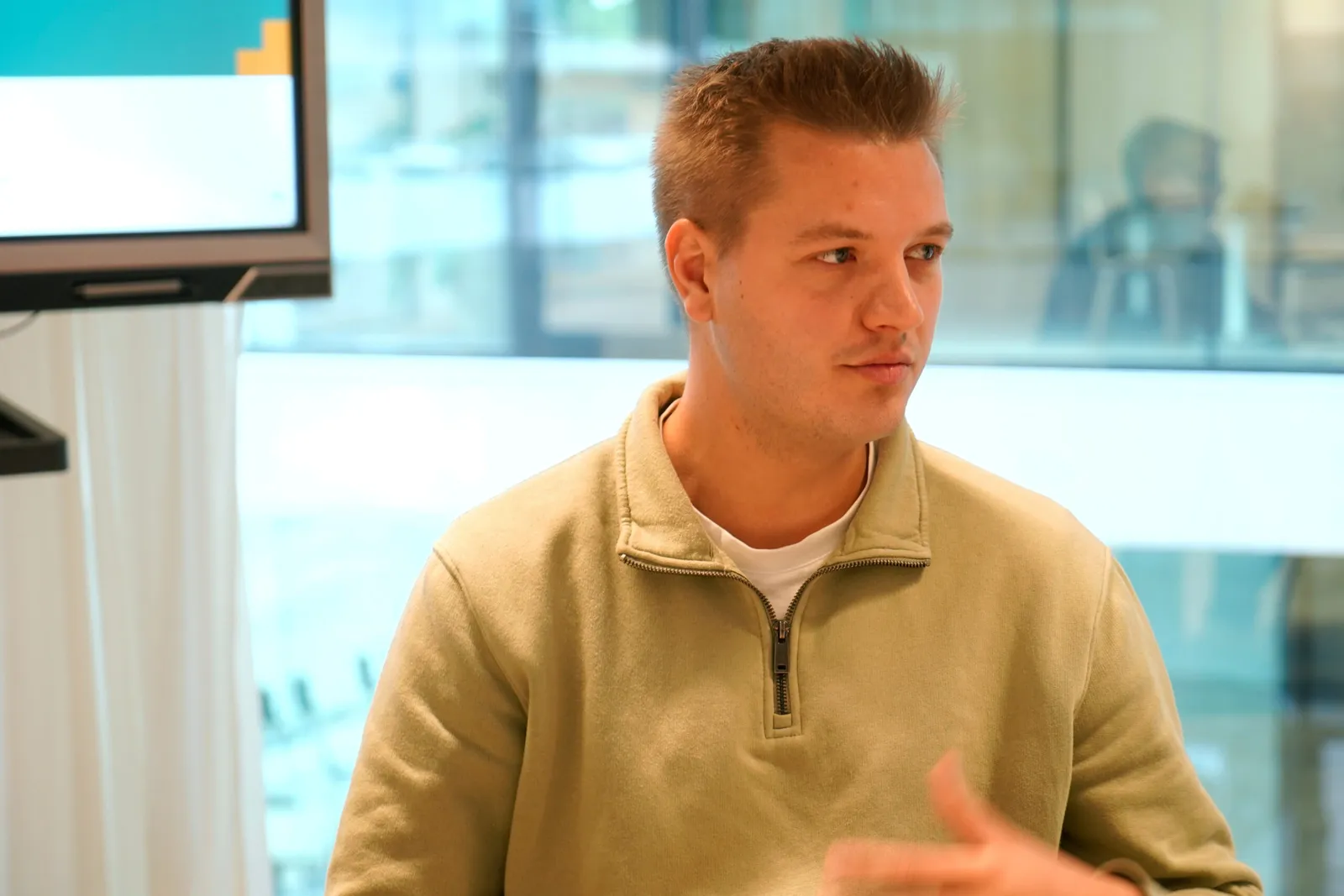
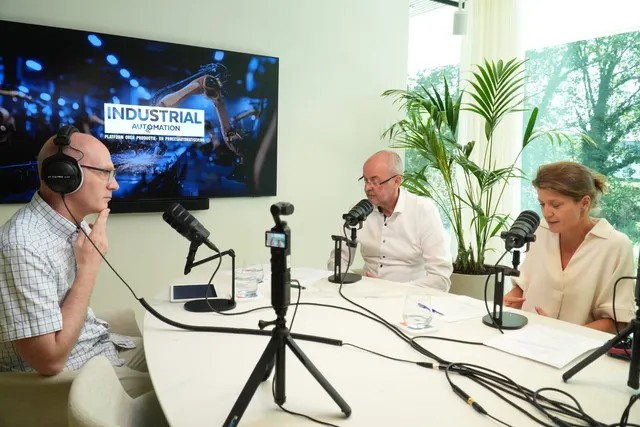
Shift to the fifth is the new slogan for the Indumation trade fair. But what does it mean in practice? Will our factories soon be equipped only with humanoid robots? Will we be able to run a factory with an army of data analysts? And what should Europe focus on to preserve its competitiveness? Our panel of experts, comprising Niki Claes (WAGO), Nico Declercq (Pilz), Jurgen De Wever (Siemens), Werner Fransen (Yitch), Aäron Leman (Beckhoff Automation), Elke Luxem (Schneider Electric), Jeroen Macharis (Multiprox), Koen Van Den Plas (ifm electronic), Marc Vissers (Lenze) and Alain Wayenberg (Agoria), considered these questions at the first round table organised by Industrial Automation in November. This article summarises the main conclusions.
Let’s start by defining Industry 5.0. In keeping with the times, we are not taking our definition from a dusty encyclopaedia (do those still exist?), but simply asking AI, Gemini in this case. It describes Industry 5.0 as a vision of the future that goes beyond Industry 4.0’s focus on technology, putting people, sustainability and resilience at its heart. Alain Wayenberg explains why this leap is necessary. “Industry 5.0 will show us exactly what benefits the industrial revolution has actually brought us. Why you need data and have to bring OT and IT together to move on to the next stages.” Jeroen Macharis agrees: “Capturing and visualising data is all well and good, but you only realise the added value when you link it to effective action. That is what we should be aiming for.” Nico Declercq believes we are not far off. “I attended a conference by trend forecaster Bruno Fabre. He surprised us by showing just how close we already are to businesses that operate without a single human being present.”
Fail fast
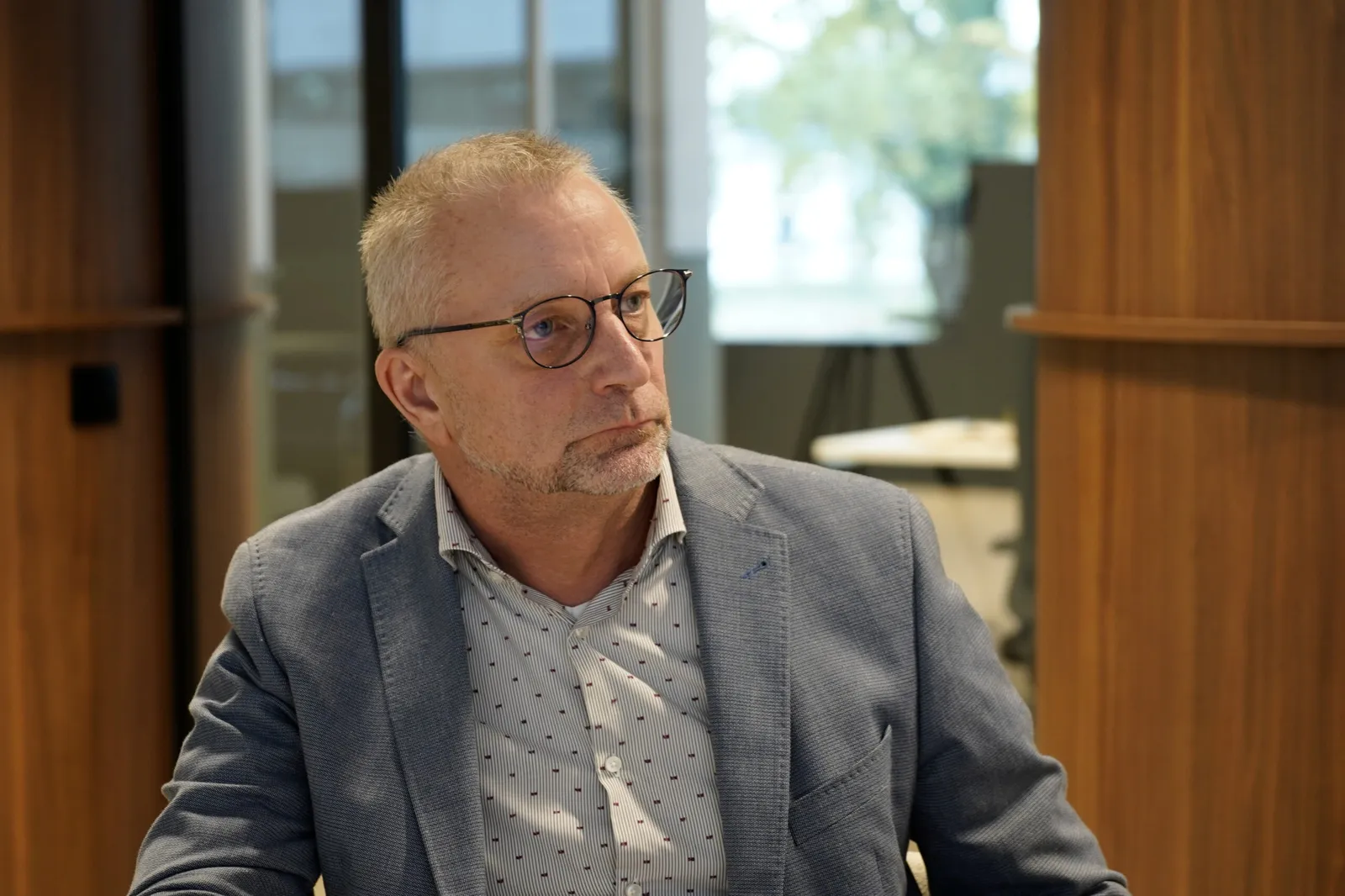
So what is the quickest route to Industry 5.0? “The fastest one,” replies Marc Vissers with a wink. “Get started today, and if you fail, fail fast,” he adds. “I think the message for businesses is that automation and digitalisation are ongoing processes. The work is never finished. You must keep investing to stay ahead of your competitors.” It is an understatement to say that businesses are not all at the same stage. “That’s why you shouldn’t compare them,” says Jurgen De Wever. “Every business is different. You need a robust architecture as your starting point and a goal to work towards. There is no alternative. We have a structural shortage of staff. Technology is the solution. Automating automation will enable us to keep making a difference through our creativity and flexibility. Those who move too slowly in this area will have a competitiveness problem the day after tomorrow.”
Build on your strengths
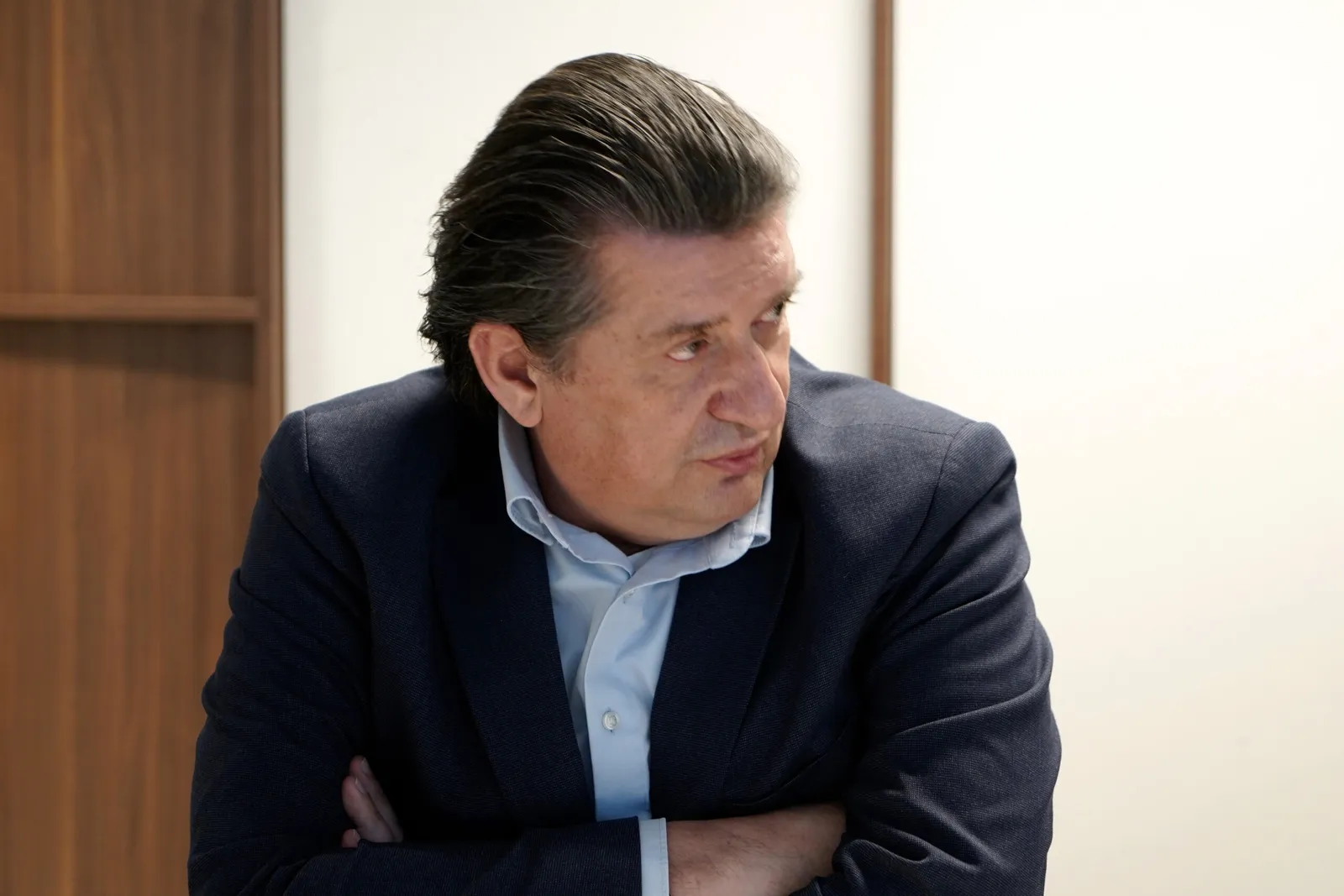
So is this a European problem? Can we really compete with those buffaloes in the West and elephants in the East? Is our manufacturing industry at risk of being crushed? Elke Luxem does not think so. “Europe needs to build more on its own strengths. We have more people, and therefore more consumers, than the United States. What’s more, we have cutting-edge technology and the knowledge needed to use it. So let’s abandon the idea that Europe should become a service economy. We need industry to underpin our prosperity. Let the services sector operate around our industry. Above all, I hope it will be clean, sustainable industry that focuses on electrification and energy efficiency.”
The United States is lagging behind
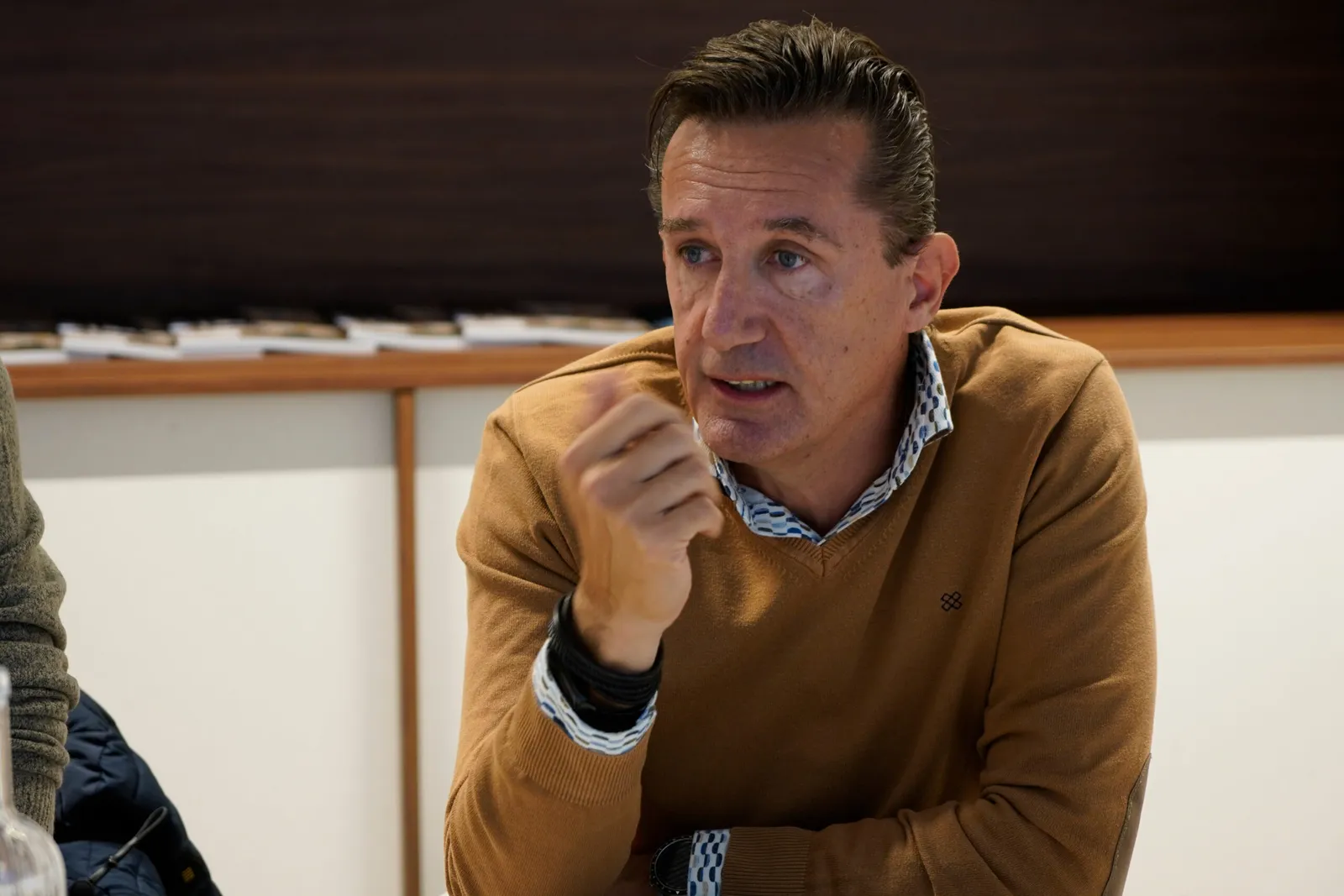
“All the big players in AI seem to come from the United States, but that is only a small part of the continent,” adds Werner Fransen. “Anyone who has visited the United States knows that the rest of the world is lagging behind us. Personally, I would be more concerned about China. In the past, you might have called them imitators, but that is no longer the case. There is a lot of innovation there. But I believe Europe has enormous strengths in technology, knowledge and training. And we need to make better use of them. I think we can still achieve a great deal.” Niki Claes also sees no reason to panic. “We Europeans are a little more cautious about taking risks. We don’t spend billions like those big AI companies, which, incidentally, have yet to make a single euro of profit. Yes, they have developed generative AI, which has a wide range of applications, but where we are stronger locally is in developing AI applications for highly specific uses that are profitable straight away.”
Europe as one
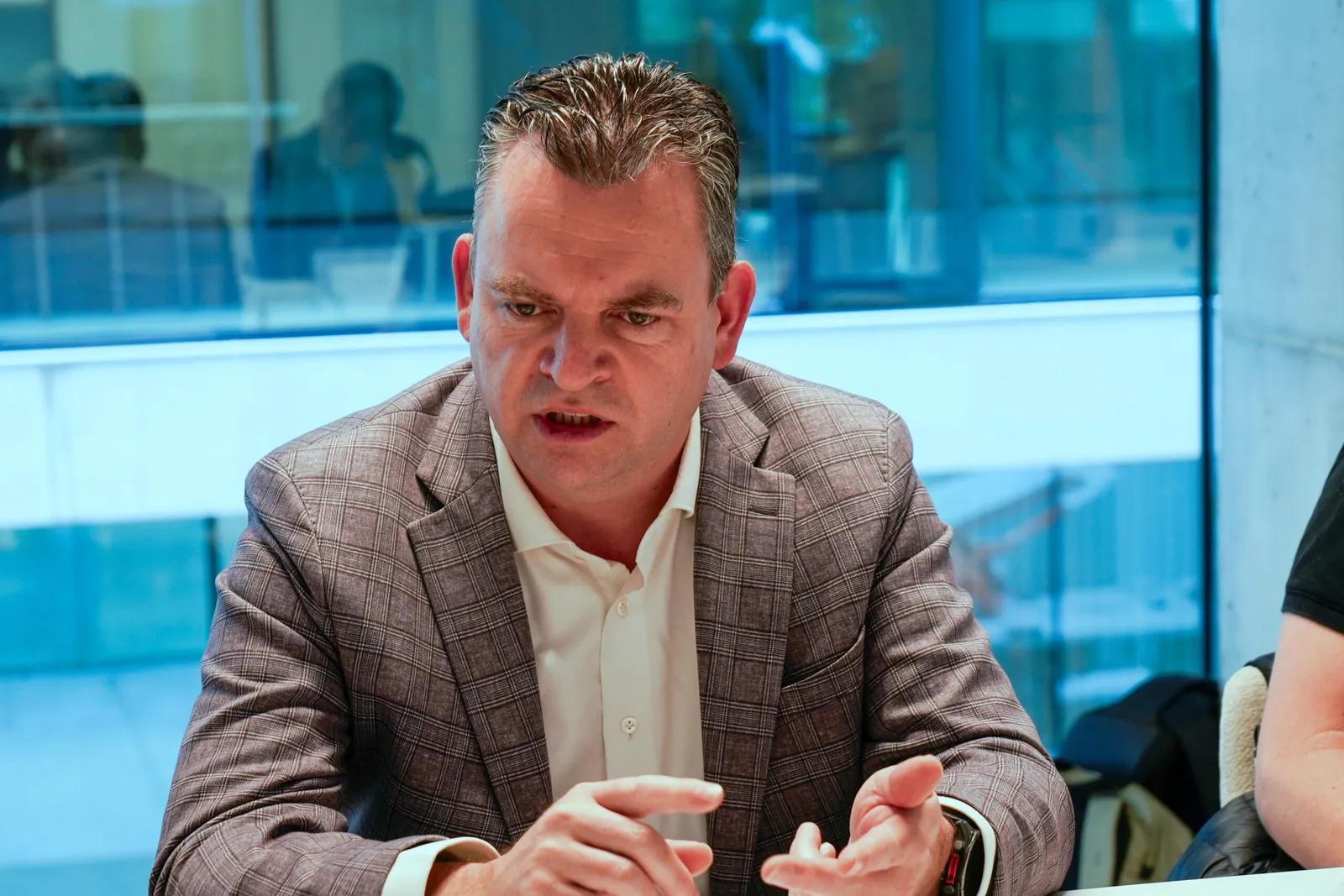
Koen Van Den Plas believes cooperation is the way to make a difference. “I think we need to cooperate even more in Europe so that we can do better and stay ahead of our competitors. Innovation is the only way forward, subsidies are a dead end. Just look at the mining industry, which has disappeared.” Nico Declercq agrees: “Europe is still too fragmented. We need to move towards a genuine free-trade economy within its borders. And, as Bart De Wever has proposed, we can lead by example with the Benelux. We are already innovating together here.”
Inspire
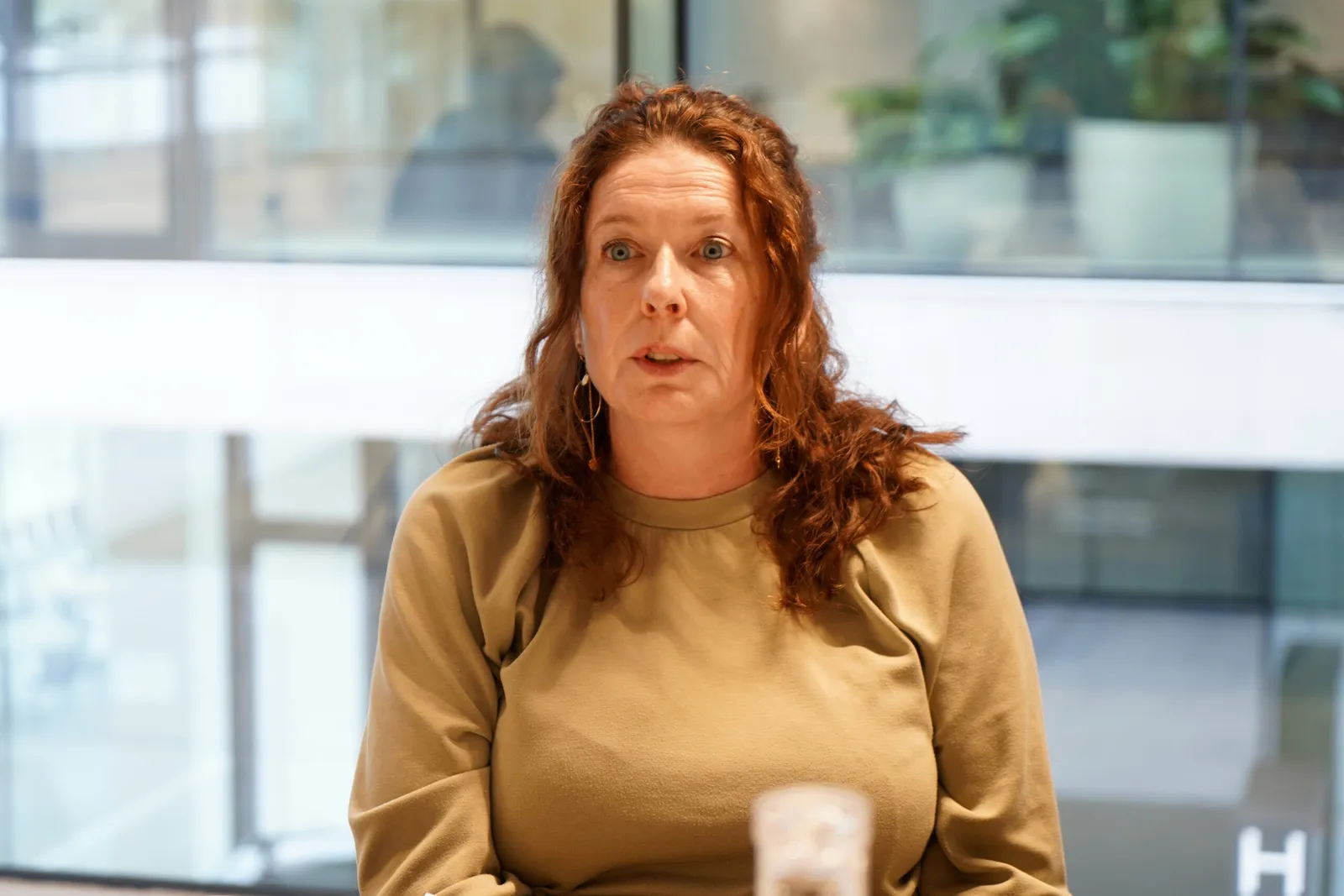
But will we still have enough people to produce these innovations, or will we have to wait for humanoid robots to arrive? Aäron Leman cites some encouraging figures. “At UGent’s campus in Kortrijk, the number of engineering students enrolled has doubled. That’s a positive sign. I think everything to do with AI interests people.” Jurgen De Wever highlights the importance of inspiration. “Everyone in the field has a role to play in this. Just look at how many people come to visit the major facilities and the machines needed to run them during open days. Technology is also becoming more and more accessible. If you maintain a machine fleet with the same user experience as your banking app, you have an opportunity to inspire young people. Technology is fun, not just in games but in an industrial setting too.”
The right spark at the right time
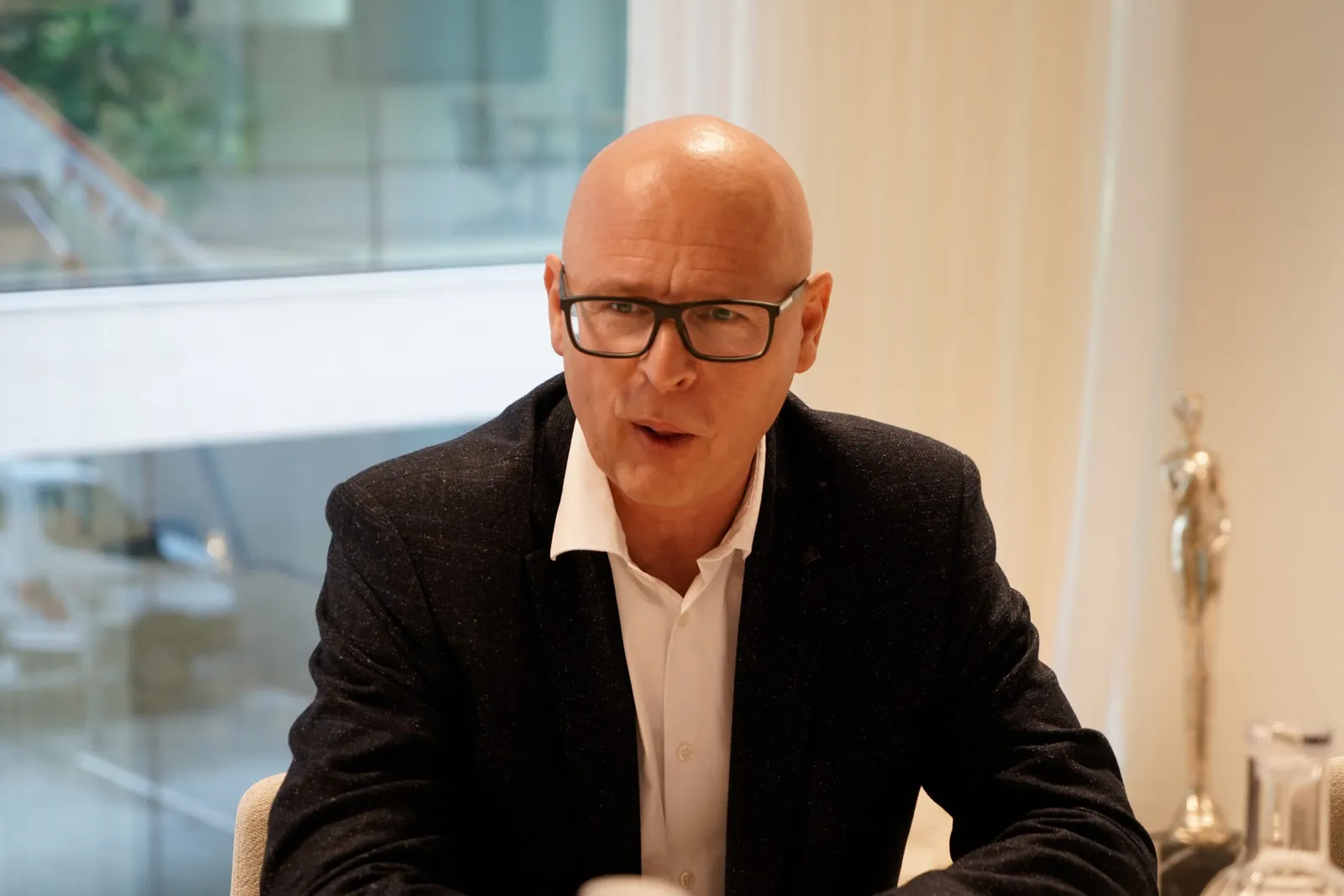
Werner Fransen shares a personal anecdote. “I once visited Flanders Technology with my father. There was a kind of delta robot packing biscuits into plastic blisters using vision technology. That was the moment it clicked for me. In fact, we do far too little of this sort of thing today. We need to show more of what technology can do for society.” For Vissers, it cannot happen soon enough. “Organise discovery programmes to introduce boys and girls to drive technology, sensor technology, motion control… But do it before they start secondary school. Make sure they get that spark before making their choices.”
The right role models
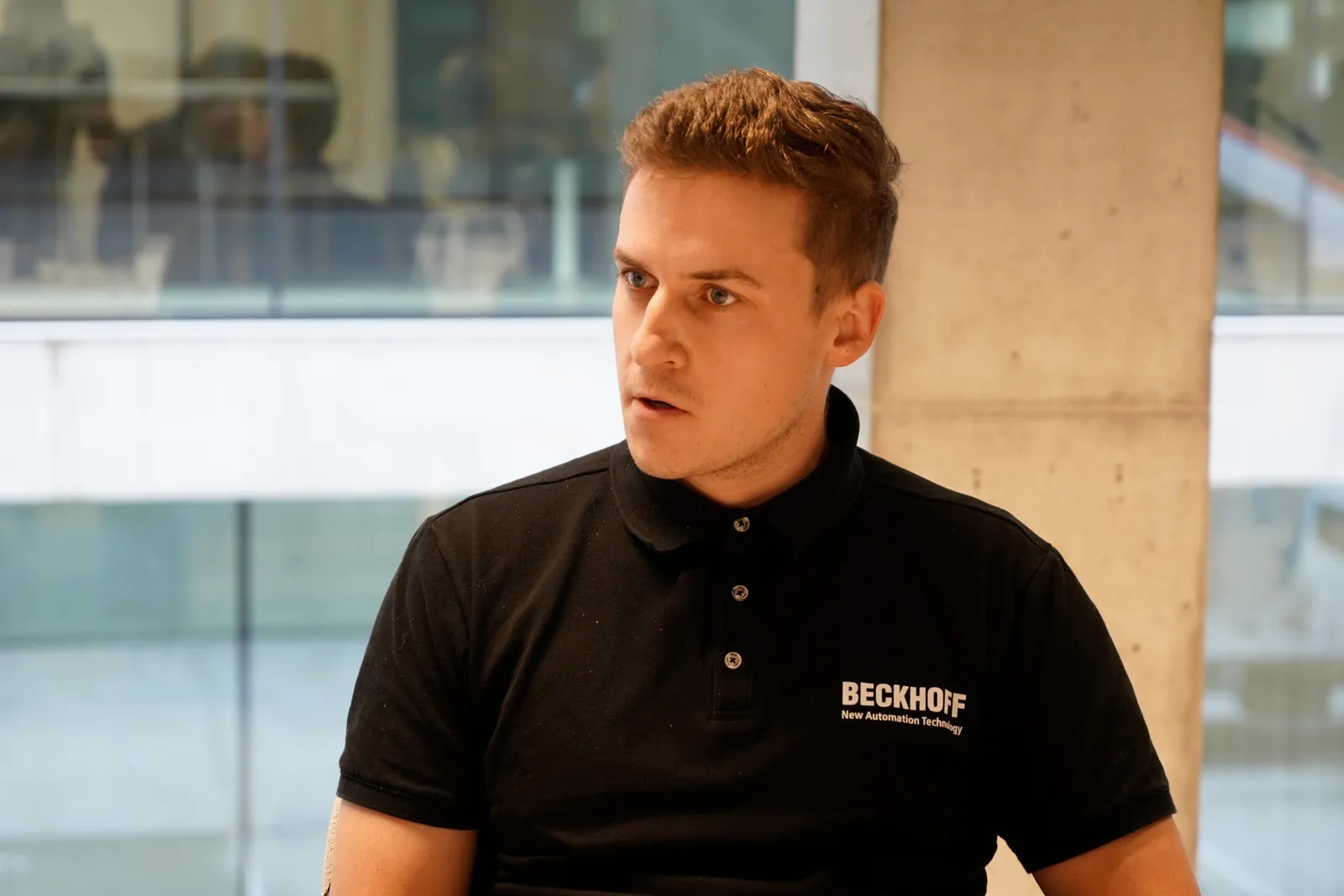
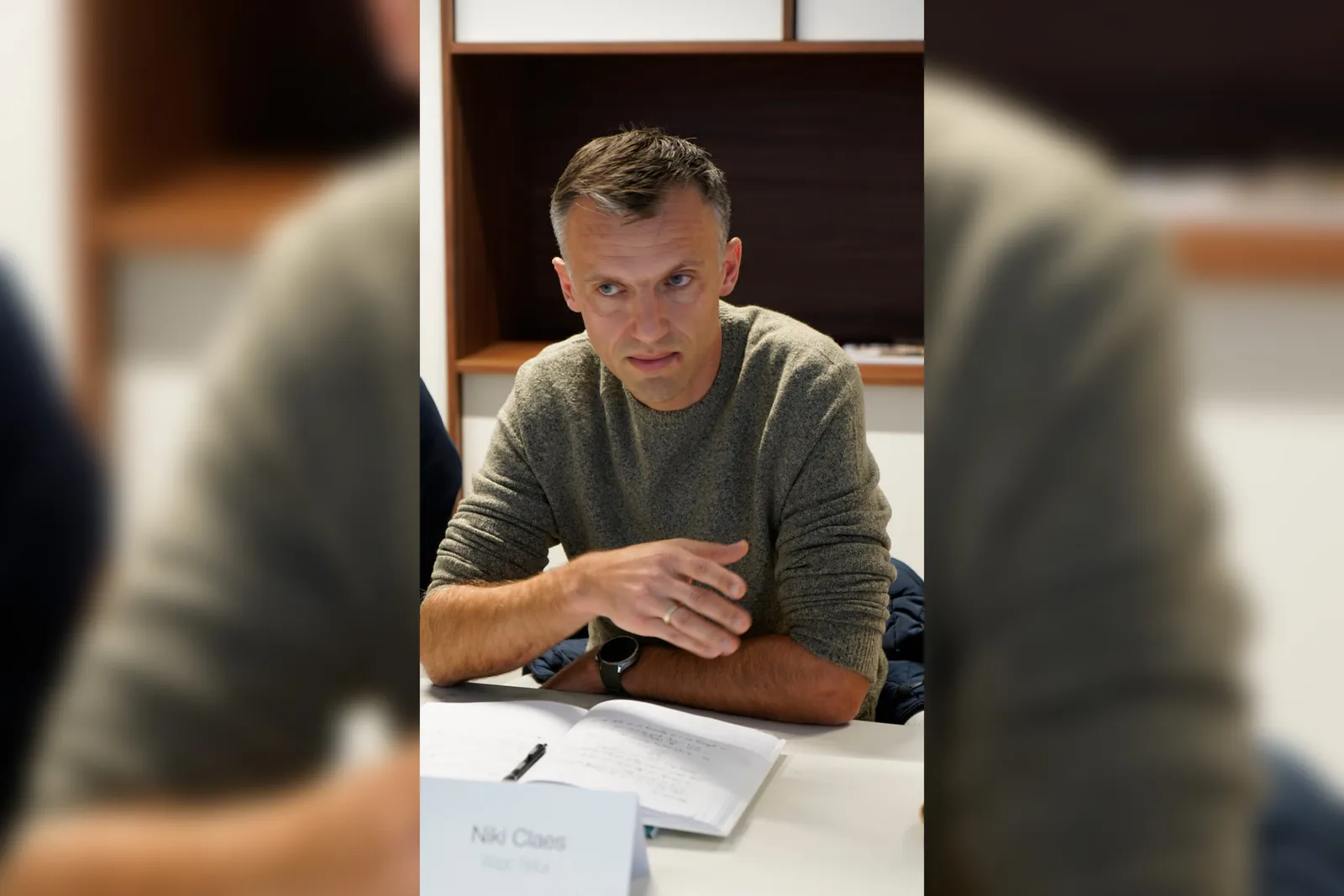
So who is best placed to inspire young people? Jeroen Macharis points to social media. “Instead of scrolling through videos of dancers, I follow techfluencers on Instagram. That can really work for young people.” Aäron Leman believes this should also be possible at school. “Someone who has succeeded and has technical knowledge. But I don’t think, for example, that any engineer at BASF would choose to retrain as a secondary-school teacher. Why not set up some interaction, with a weekly talk by a specialist from industry?” Claes warns, however, that this is no cure-all either. “At my school, there were several teachers who had come from industry. But they gave up out of disappointment and presented a negative image. We need to encourage the right people to teach.”
Technology fascinates
“We are trying to change that with an STEM textbook. We want to get teachers interested too. They also need to be convinced of the importance of technology.” Koen Van Den Plas adds that there is another player in this story: parents. “In reality, technical courses can be very exciting. I think we are all convinced of that here, but the average Belgian may not be. They would rather see their son or daughter become a lawyer than an engineer.” Elke Luxem cannot understand this way of thinking. “Because an engineer’s work is much more tangible. They make things. A lawyer just talks,” she concludes with a broad smile.
Question about this story? Ask your question
Companies in this story



Keep following this
Get an email when a new story is published. No account needed.
- ThemeFlexible robotics and autonomous logistics
- SubjectNews
- CompanyBeckhoff Automation
- CompanySchneider Electric
- CompanyLenze