Carry out steam-water cycle analysis safely and efficiently
Texte Evi Husson | Photos Elscolab
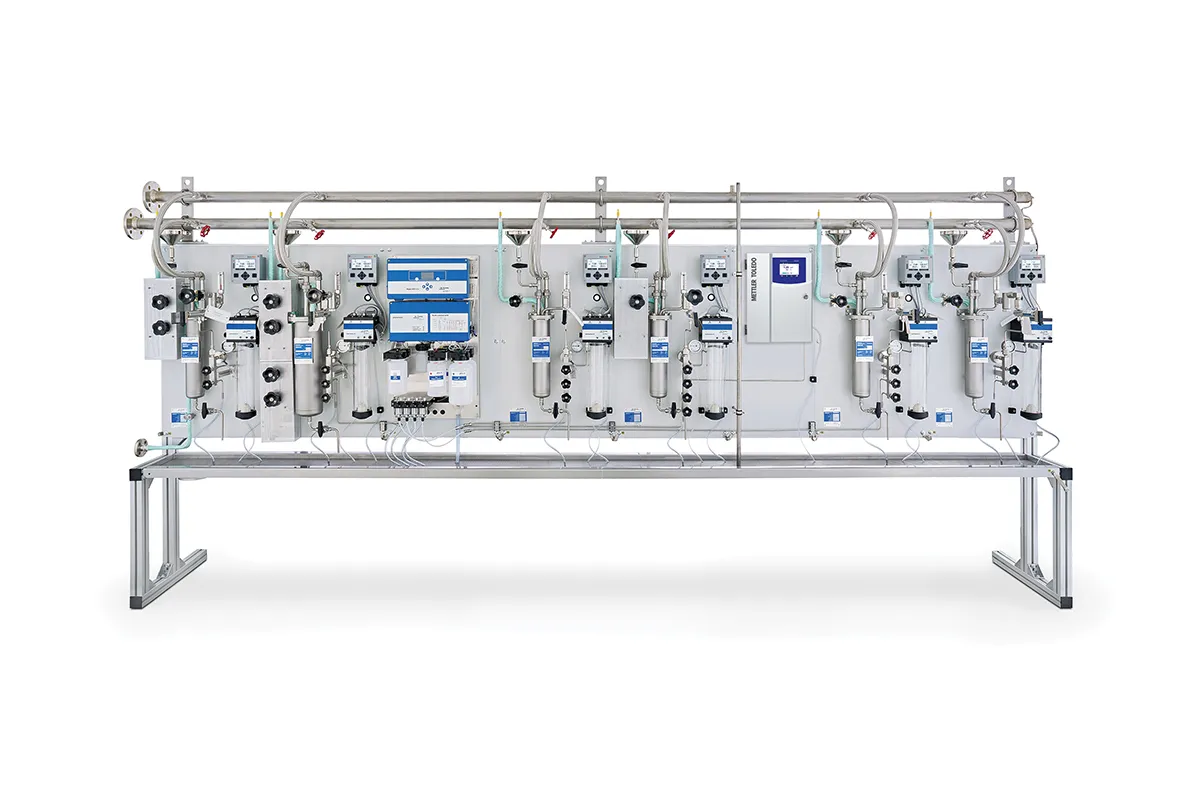
In many industrial processes where steam plays a key role in production, it is essential to monitor water quality continuously, as it must meet strict requirements. Steam-water cycle analysis (SWAS analysis) is therefore important. Kevin Boels, Sales Support Manager Process at Elscolab, explains the technique in more detail.
“Continuous analysis of pH, conductivity and dissolved oxygen is part of Elscolab’s DNA. These three parameters are also the most important ones in a steam-water cycle,” begins Kevin Boels. “Steam drives many processes in power stations, refineries and the chemical industry. Water is heated to produce steam, whose temperature can exceed 500 degrees under high pressure. At a certain point, the steam condenses again, after which the cycle can start over. It is important that the water used in the steam-water cycle is of high quality. Contamination can have a negative impact on pipes or components in the steam circuit. Good water quality helps prevent unwanted downtime caused by component failure. That is why continuous analysis and monitoring are desirable, enabling you to respond quickly and appropriately to any changes. After all, if you can measure it, you can manage it.”
SWAS analysis
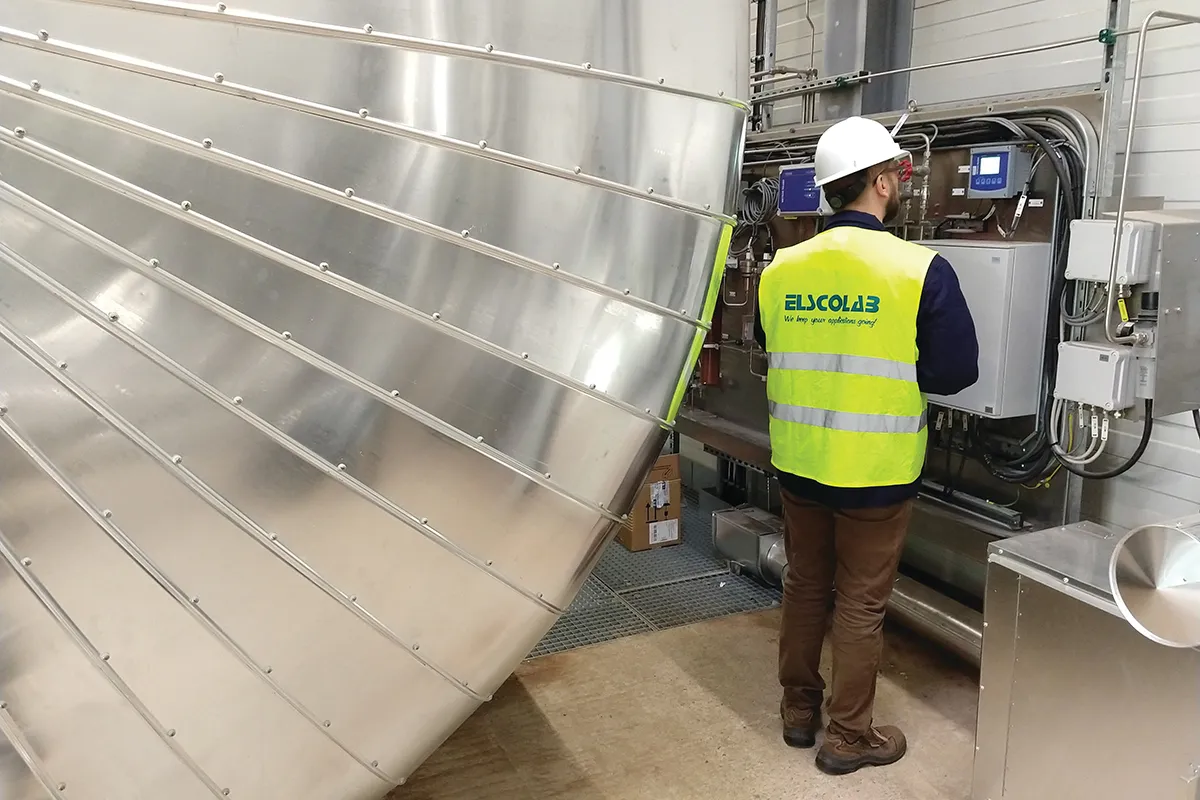
Steam-water cycle analysis, or SWAS analysis, enables you to measure various values in a sample of steam, feedwater, boiler water or condensate. “When you take a sample, it still reflects the conditions currently present in the processes, such as high pressure and high temperature. It needs to be cooled and depressurised before analysis can take place. The analysers in Elscolab’s product range ensure that samples can be taken safely. For example, Dr. Thiedig’s SWAS system is equipped with sample coolers. These are designed in accordance with VGB/DGRL and ASTM guidelines, manufactured from high-quality stainless steel, and can withstand 600 °C and 400 bar. To ensure user safety, all components that can be handled, such as valves, are protected against accidental contact. Depending on requirements, the systems can be equipped with safety shut-off valves for emergencies, back-pressure regulators and pressure gauges, thermometers and flow meters, filters and ion exchangers.
Easy maintenance
In addition, particular attention was paid to ease of maintenance when designing Dr. Thiedig’s analytical instruments. “The coolers only need to be detached from the top and are easy to dismantle. These products stand out for their flexibility when it comes to safety,” explains Kevin Boels.
At least five years without problems
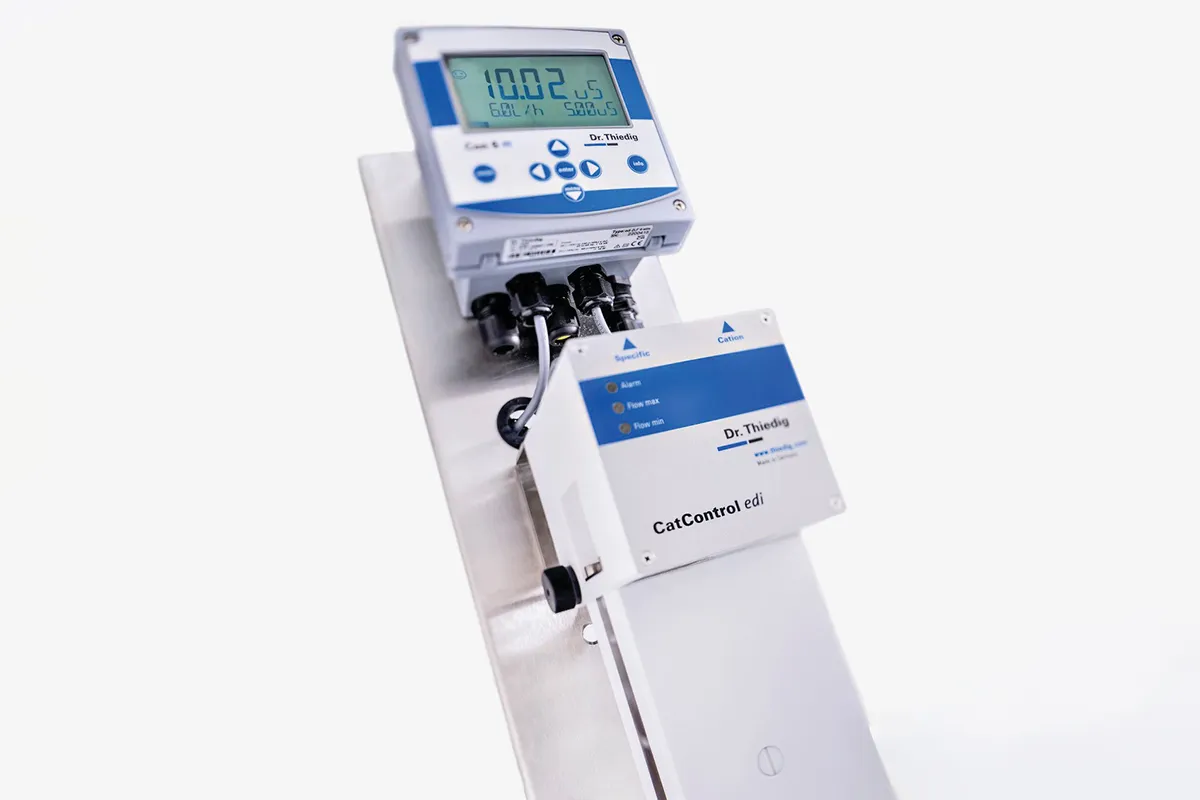
SWAS analysis enables various values to be measured: pH, conductivity, dissolved oxygen, sodium, silica or phosphate. “For boilers, for example, it is important for the pH to be above seven, because a lower pH has an aggressive effect on the pipes. Chemicals are added to achieve this and optimise the boiler’s service life, which also affects conductivity. That is why a cation measurement is needed in addition to pH measurement. To determine conductivity before adding chemicals, you can pass the sample through a resin column after cooling. To avoid having to replace the resin regularly, continuous electronic deionisation ensures automatic regeneration. This allows the user to operate the system trouble-free for at least five years.”
In some cases, you may also want to remove CO2. “DCC (Degassed Cation Conductivity) is also possible. It allows you to detect more quickly whether the water is pure enough to be converted into steam.”
Modularity
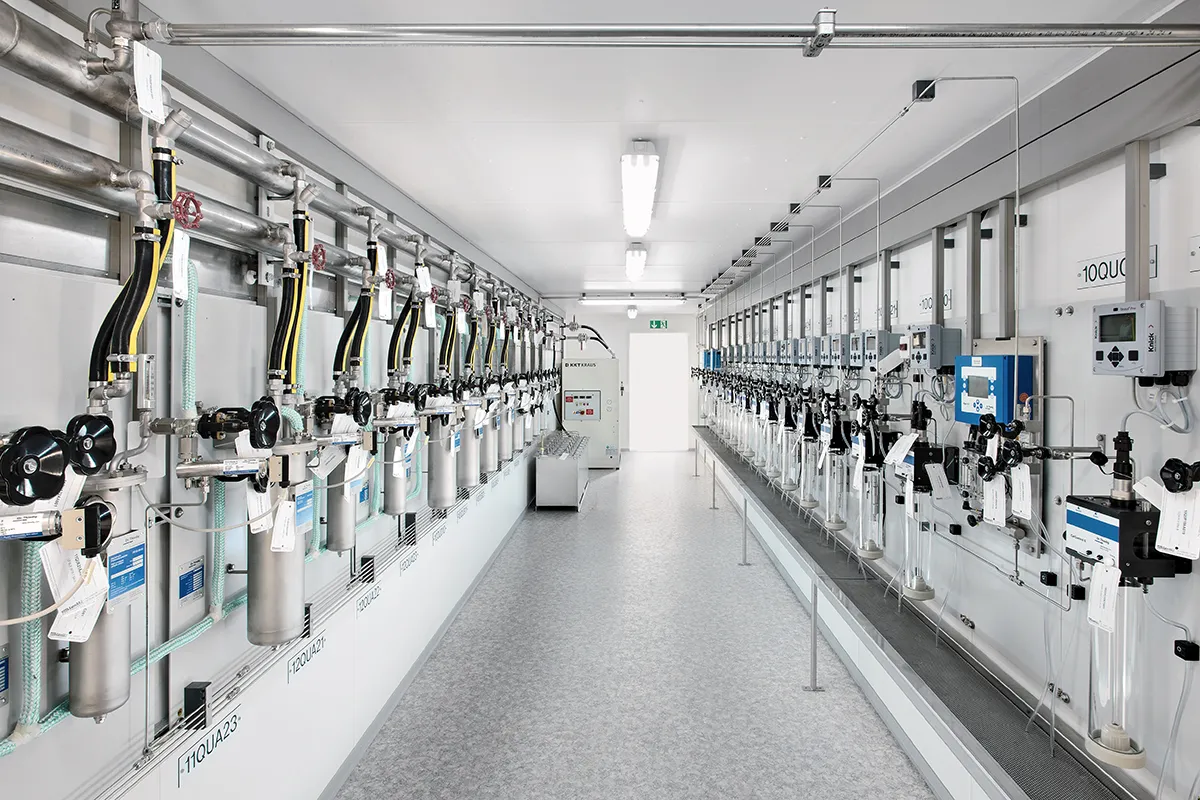
The analysers are modular. Depending on the request or requirements, different analysers are assembled to create a customer-specific solution. “When we start a project with a customer, we map out every aspect of the cooling water. Sampling, cooling, pressure reduction, ion exchangers, flow regulators, everything is taken into account. We also carry out cooling calculations to ensure, drawing on our many years of experience and expertise, that the instruments we offer are suitable for the customer’s project.”
Question about this story? Ask your question
Keep following this
Get an email when a new story is published. No account needed.
- ThemeMeasurement for process control
- SubjectProcess & instrumentation