“Our industry must help spark interest in technical careers”
Texte Björn Crul | Photos Louwers Mediagroep
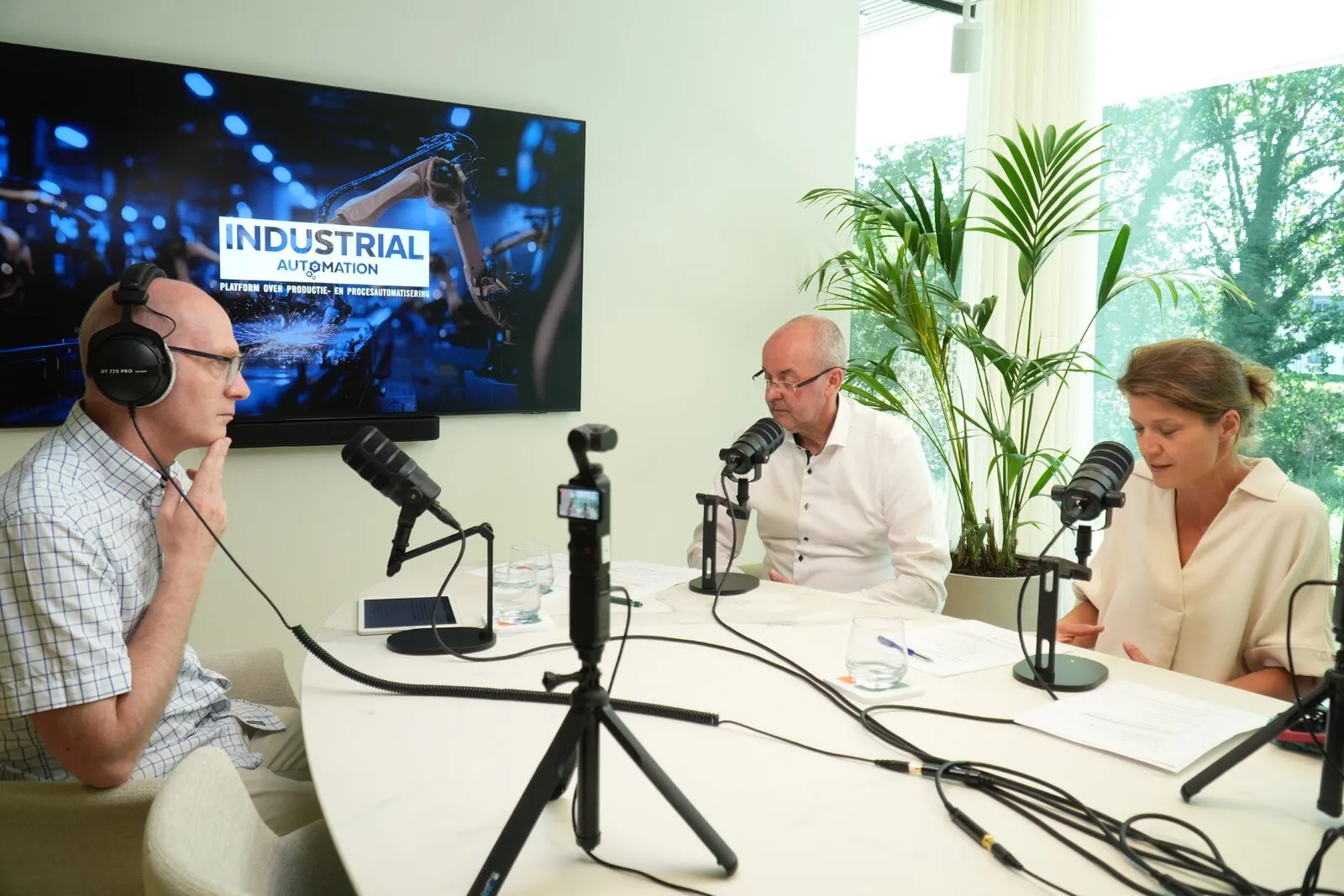
Flemish industry continues to invest heavily in automation, digitalisation and sustainability. But machines and software alone are not enough. To complete this transition to the “factories of the future”, technical talent is needed: people who can develop, implement and maintain new technologies. A shortage of these professionals risks holding back growth at industrial companies. Siemens Belgium is therefore taking steps to spark young people’s interest in STEM: Science, Technology, Engineering and Mathematics.
Many technical roles are on the shortage occupation list. Competition to attract available talent is therefore fierce: companies are increasingly recruiting engineers, technicians, electromechanics specialists, HVAC specialists and professionals who can bridge the gap between operational technology and information technology from the same limited talent pool. “The shortage of technical professionals has truly become a brake on growth,” says Geert De Coninck, Business Unit Manager Industry Automation at Siemens Belgium. “It is slowing digitalisation and the energy transition in our sector, even as these essential transitions for the future are gathering pace.”
A double image problem
There is no single solution to the shortage of STEM professionals. According to Geert De Coninck, there is also a double image problem: technical studies are still too often seen as a second choice, while industry is associated with hard, dirty work. “That image is increasingly far removed from reality. Today’s technicians work with robots, automation software and AI. They very often use digital technologies to find practical solutions to societal challenges such as climate change and healthcare. That is what makes these jobs relevant and interesting.”
The traditional profile of a technician or engineer is changing too. A solid technical foundation remains essential when recruiting, but other skills are becoming just as important. Katrien Valkiers, Communications Manager at Siemens Belgium: “Data, cybersecurity and the growing integration of information technology and machinery are transforming the working environment. Alongside technical and digital skills, we look for people who can solve problems, work well in a team and, above all, are keen to keep learning. Technology is simply evolving at a breathtaking pace.”
Siemens is taking action
Companies seeking to attract technical talent therefore have a responsibility to encourage young people to choose STEM subjects. “Education lays the foundations, but companies need to play their part through work placements, work-based learning and structured partnerships,” says Katrien Valkiers. “As an industry, we can show what jobs are available, how fascinating technology is in our factories and the social impact employees can have.”
Siemens works to foster this interest from an early age. Through “Little Innovators”, the company introduces primary school children to technology with hands-on activities, from building small wind turbines to simulating alarm systems. “Teachers are another important target group. Every year, around 130 teachers take part in our workshops on new technologies. We also work closely with the Regional Technological Centres, secondary schools, colleges and universities,” says Geert De Coninck. “By sharing our knowledge, we can bring practical experience into the classroom and help education keep pace with technological advances.”

Hands-on experience: a win-win
The technology company also offers students in higher education the opportunity to gain hands-on experience. One route is work-based learning, which allows them to combine study with professional experience. The Siemens Industry Academy, meanwhile, was established six years ago. “Students, colleges and universities work with our teams and industrial partners on innovative industrial projects,” explains Geert De Coninck. “Siemens provides the educational institution with the latest technologies, so students can become familiar with the most recent innovations. A partner company sets a genuine professional challenge, after which the institution finds a capable student to take it on as a ‘problem-solver’. This gives the student exposure to authentic working situations and teaches them to apply technology to real-world problems, benefiting Siemens, the partner company, the student and education alike.”
One such project, carried out with Antwerp-based drone specialist Helicus, led to the design of a platform where drones can land near hospitals. “A landing site of this kind has since been set up in Ypres. Drones can now transport blood samples between hospitals more efficiently, significantly reducing transport times. These are exactly the kind of ‘win-win’ projects we are looking for,” concludes Geert De Coninck.
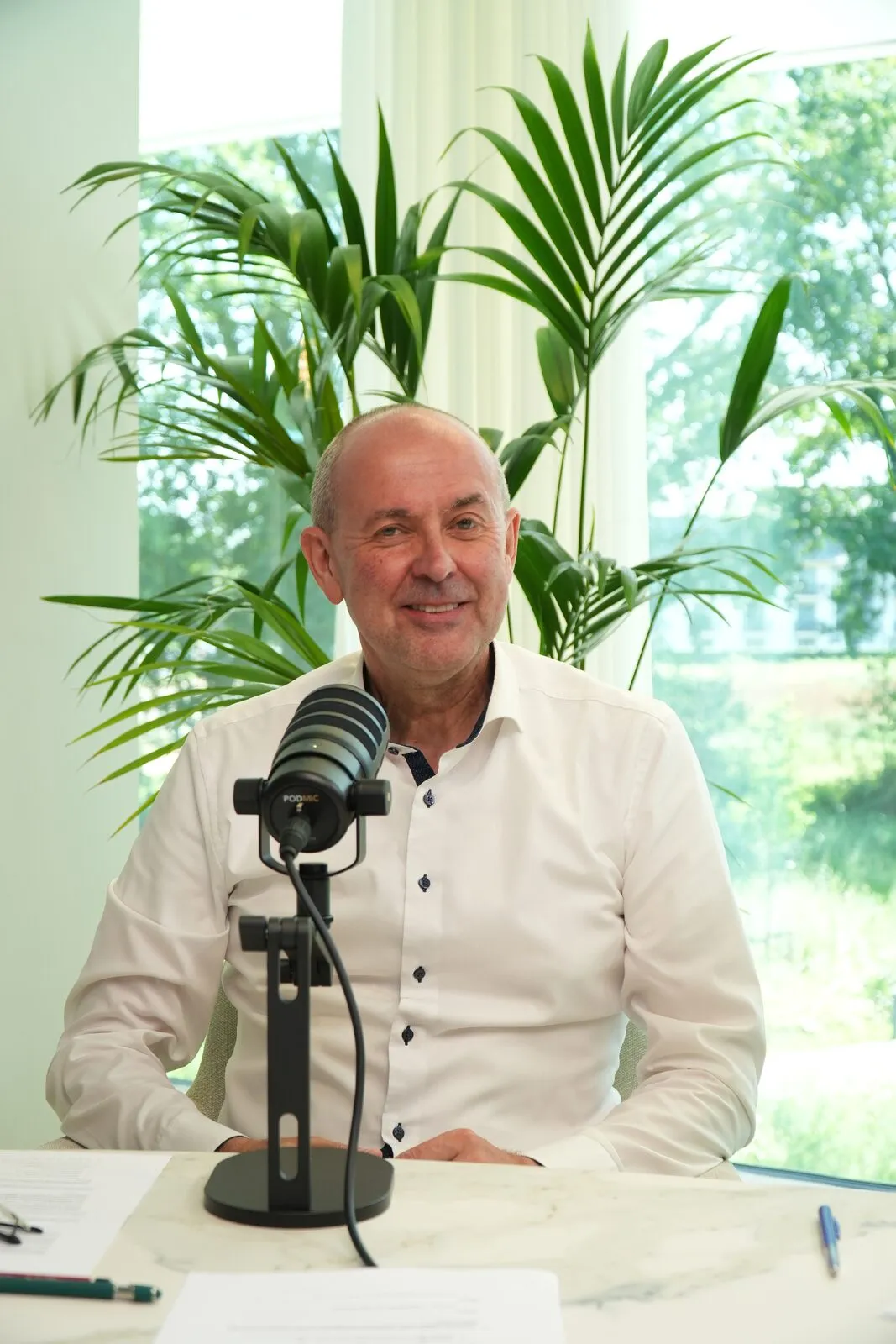
We spoke in depth with Geert De Coninck and Katrien Valkiers of Siemens Belgium about the role companies can play in promoting STEM. Listen to the podcast by scanning the QR code provided.
A business enquiry for Siemens NV/SA? Get in touch
Companies in this story
Keep following this
Get an email when a new story is published. No account needed.
- ThemeData-driven design and operations
- SubjectNews
- CompanySiemens NV/SA