Building charging stations for electric trucks presents challenges
Texte Johan Debaere | Photos Technolec/Moxa
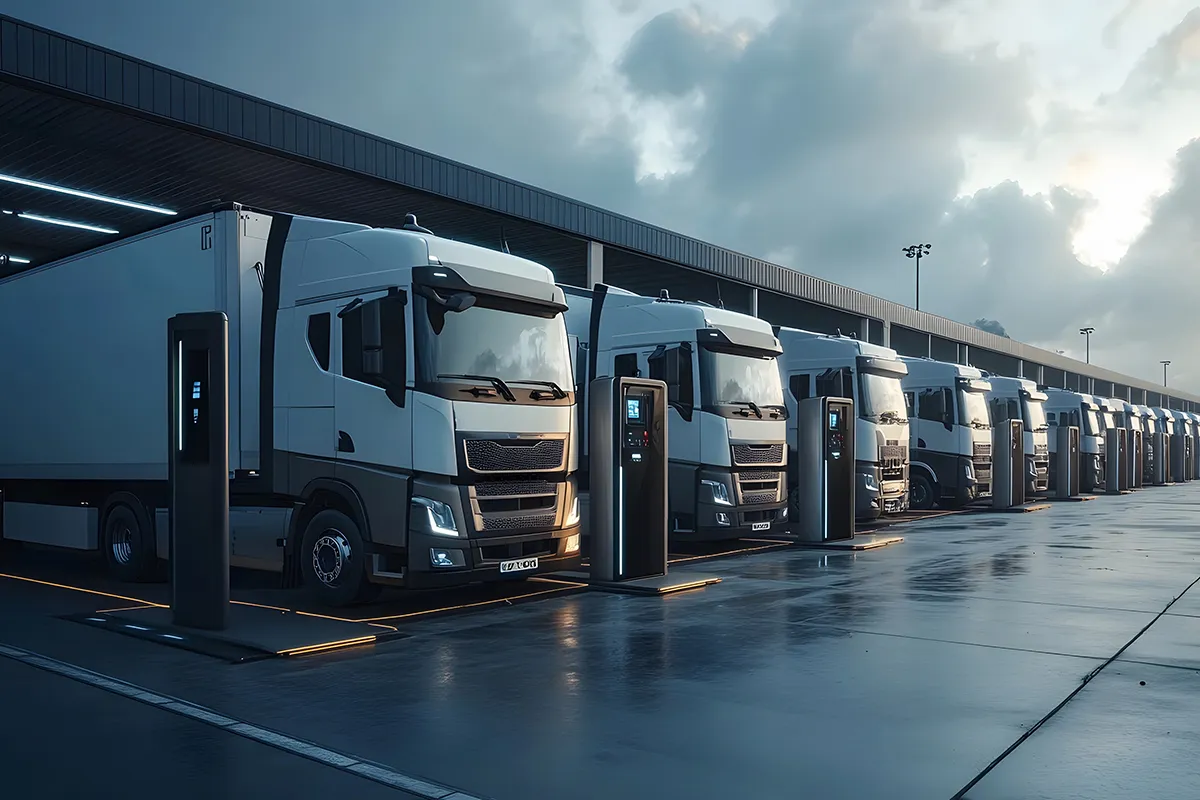
To electrify its fleet, a major logistics company launched a project to build charging stations for electric heavy goods vehicles (e-trucks). To reduce charging times and improve fleet uptime, powerful fast-charging stations with impact-resistant industrial equipment were required. Flexible energy management and a robust network structure were important to allow for a possible capacity expansion or the charging of other vehicle types in the future. Moxa products played a crucial role in delivering this ambitious project.
Those looking to charge their trucks intelligently need to optimise efficiency and minimise the load on the grid. High power during peak hours ensures that vehicles can set off quickly. Charging at lower power during off-peak hours helps manage energy consumption more efficiently and save costs. To ensure stable operation under all conditions, the infrastructure must include flexible energy management, a redundant network architecture and highly reliable communications equipment. These measures enable seamless integration with the power grid, support the implementation of smart charging, increase the stability and efficiency of the electrical system, improve operational performance and reduce long-term maintenance costs. Ultimately, they ensure that fleet electrification targets are met.
Ensuring stability and reliability
“The customer had high requirements. For example, the installations had to be equipped with data logging and communication systems to collect and transmit data accurately in real time. This helps the energy management system make informed decisions and ensures smooth connectivity between vehicles and charging stations. In addition, the equipment had to be resistant to water, dust and extreme temperatures, while ensuring stable operation in harsh environmental conditions,” says Karel Mus of Technolec. “The infrastructure also had to be scalable, so that more cars or other types of vehicles could be charged in the future. Redundancy was also essential to avoid ‘single points of failure’ and ensure network stability and system reliability at all times.”
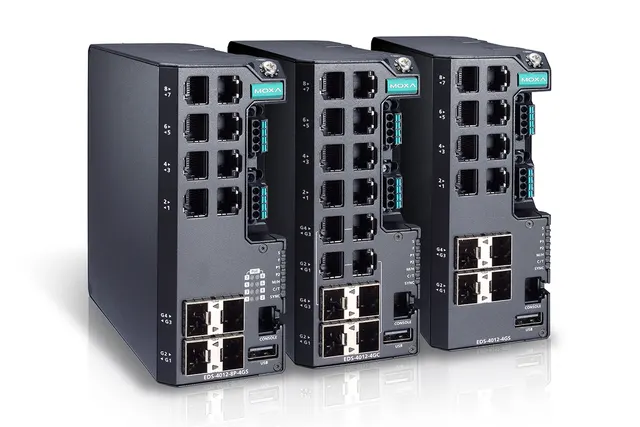
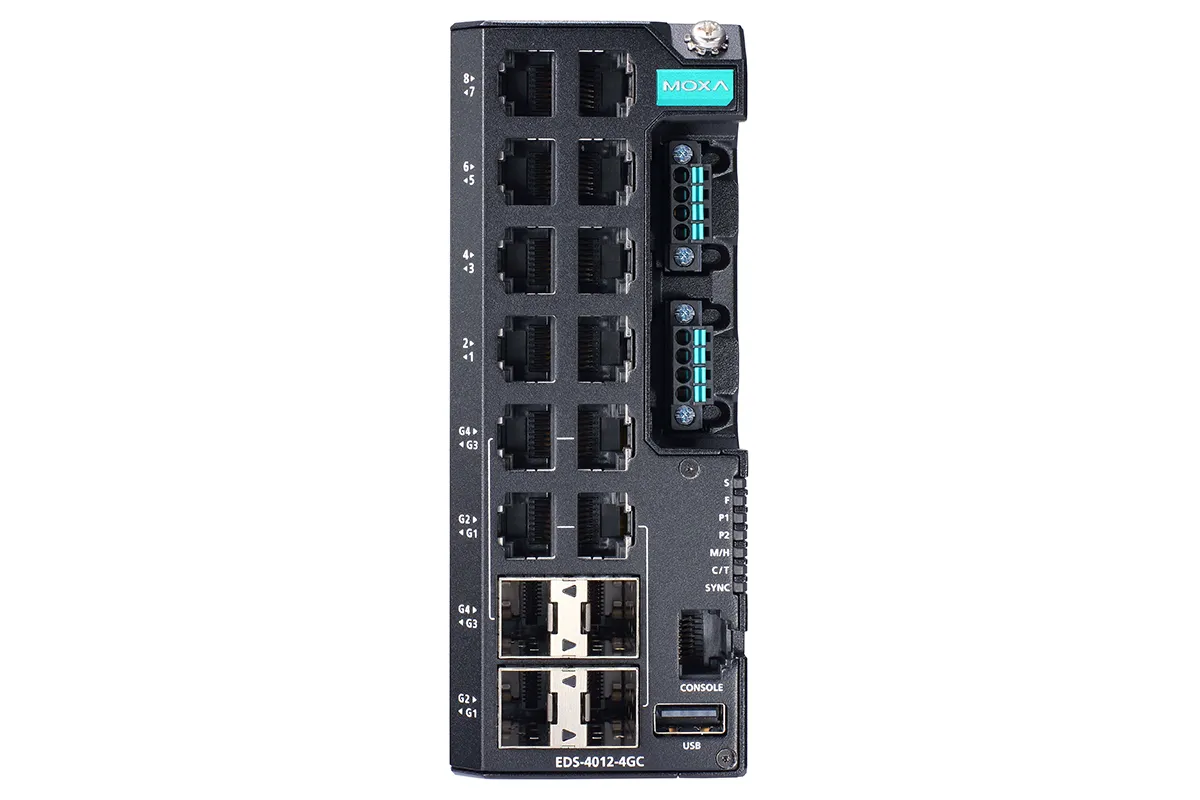
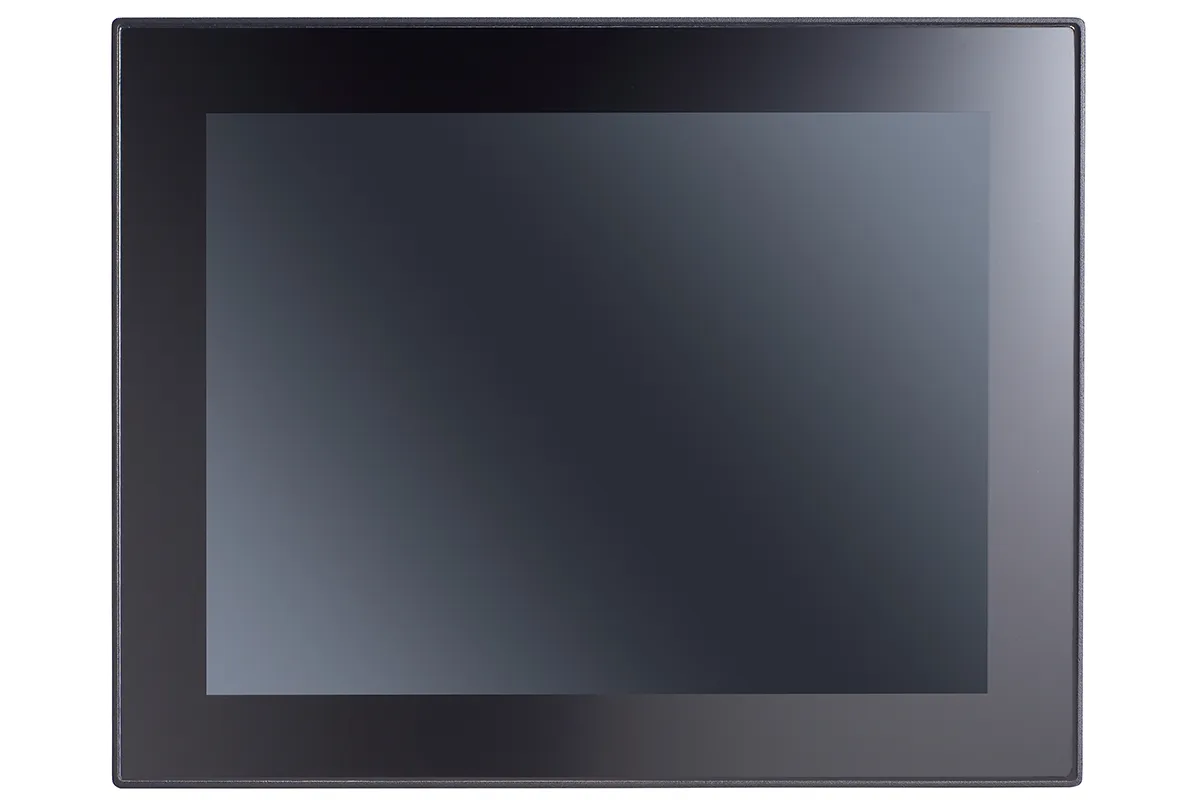
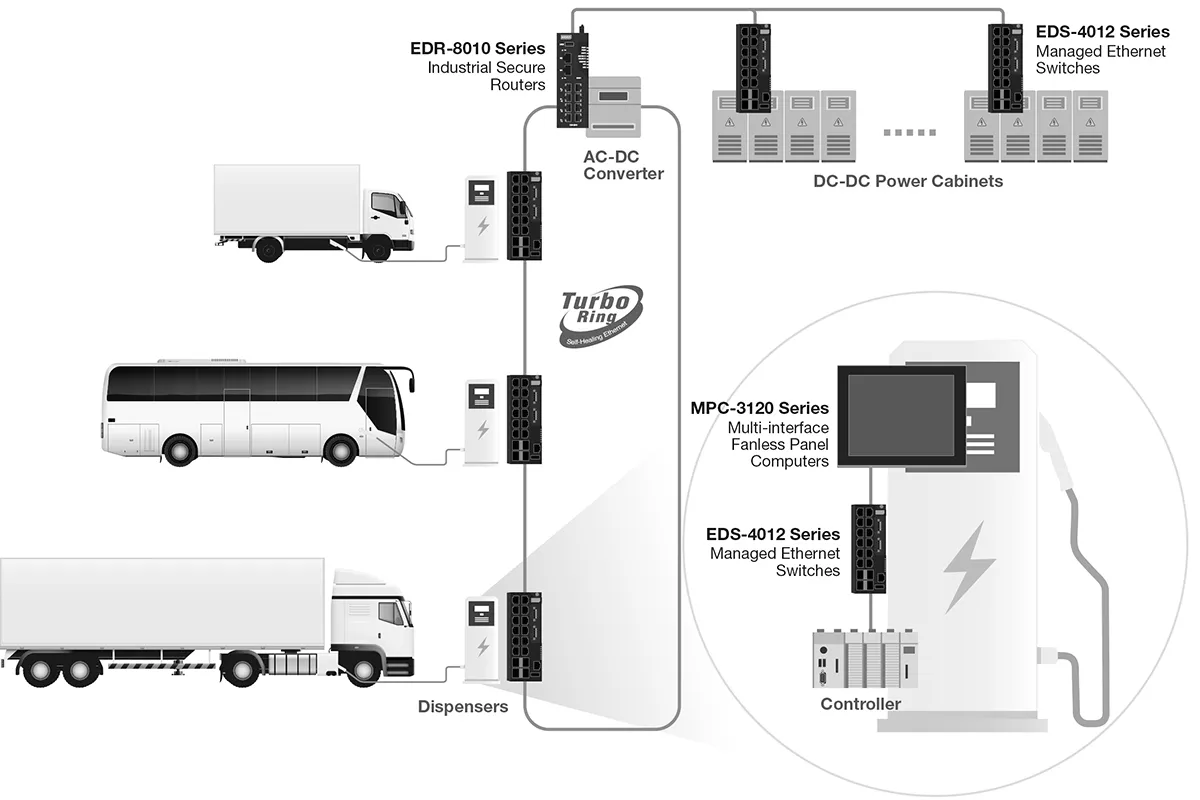
Moxa products played a crucial role in the infrastructure that enables the logistics company to charge its trucks reliably and efficiently. The system is equipped with 12.1-inch MPC-3120 computers featuring dual-core Intel Atom® x6211E or quad-core x6425E processors, supporting a wide range of serial interfaces and high-speed IT communications. The 400-nit or 1000-nit LCD panel with touchscreen remains legible in direct sunlight and can be operated by people wearing gloves, making it ideal for outdoor applications. The infrastructure is also equipped with EDS-4012 Series managed Ethernet switches, compliant with IEC 62443-4-2 and IEC 62443-4-1 certifications. Redundant Ethernet technologies such as Turbo Ring, Turbo Chain and RSTP/STP increase infrastructure reliability and improve network backbone availability. Finally, EDR-8010 Series multiport secure routers are also available.
“For harsh environments”
In addition, an integrated firewall controls network traffic between trusted zones, while network address translation (NAT) protects the internal network from unauthorised external access. A virtual private network (VPN) enables users to communicate securely when accessing the private network from the public internet. To protect OT networks against cyberattacks, the EDR-8010 Series supports deep packet inspection (DPI), which examines the “data” portion of network packets for various OT-specific protocols.
“These Moxa industrial solutions are designed for harsh environments, meet the strict requirements of large-scale installations, ensure stable operation and reduce maintenance needs. The networking equipment also supports multiple redundancy protocols, ensuring continuous network connectivity and eliminating ‘single points of failure’,” concludes Karel Mus. “Finally, Moxa takes a defence-in-depth approach to securing critical electric vehicle charging infrastructure. Secure routers provide network segmentation, while cybersecurity protects critical networks and assets. Integrated features such as firewalls, NAT and VPN provide multi-layered security to protect network infrastructure, enable secure remote management and mitigate potential cyberthreats, ensuring uninterrupted operation.”
Een zakelijke vraag aan Technolec? Get in touch
Companies in this story

Keep following this
Get an email when a new story is published. No account needed.
- SubjectControl & network
- CompanyTechnolec