Software, IT, OT & cybersecurity
Top five technology trends for 2024
Texte Valérie Couplez | Photos iStock
In 2023, the world discovered generative artificial intelligence. Which technologies will shape 2024 and help address the challenges facing businesses? In its “TechnoVision Top 5 Tech Trends to Watch in 2024”, Capgemini reveals the technological developments to look out for.
Generative artificial intelligence (AI) will continue its breakthrough. The battle between large language models and the tech giants backing them will rage on. At the same time, there will be a need for ever-smaller, more cost-effective models. These are the best option for installations with limited footprints and processing capacity, for example to run at the edge or integrate into the network architecture of SMEs. Another item on the agenda is combining generative AI models with knowledge graphs, which should deliver higher-quality information. Platforms will be developed to enable organisations to get started with generative AI even without in-depth technical expertise.
Why does this matter? Developments in generative AI point to a shift towards technology that is more accessible, versatile and cost-effective. Innovations will enable organisations to scale up their generative AI use cases more quickly, while deriving greater value from the technology in the long term.

Quantum technology
A cyber arms race is under way, with strengthened digital defences responding to advances in computing power. AI and machine learning (ML), for example, are increasingly being used to detect threats. But a new threat is emerging with the development of quantum computing. Developing quantum-resistant algorithms is an urgent necessity to preserve data confidentiality and security. In the United States, the National Institute of Standards and Technology will publish the post-quantum cryptography (PQC) standard in 2024. Public and private organisations that supply the US government will need to be ready to migrate to PQC within a year of the NIST standards being published. This is set to fuel discussions in boardrooms.
Why does this matter? This emerging shift is set to transform the foundations of cybersecurity standards worldwide.
Semiconductors
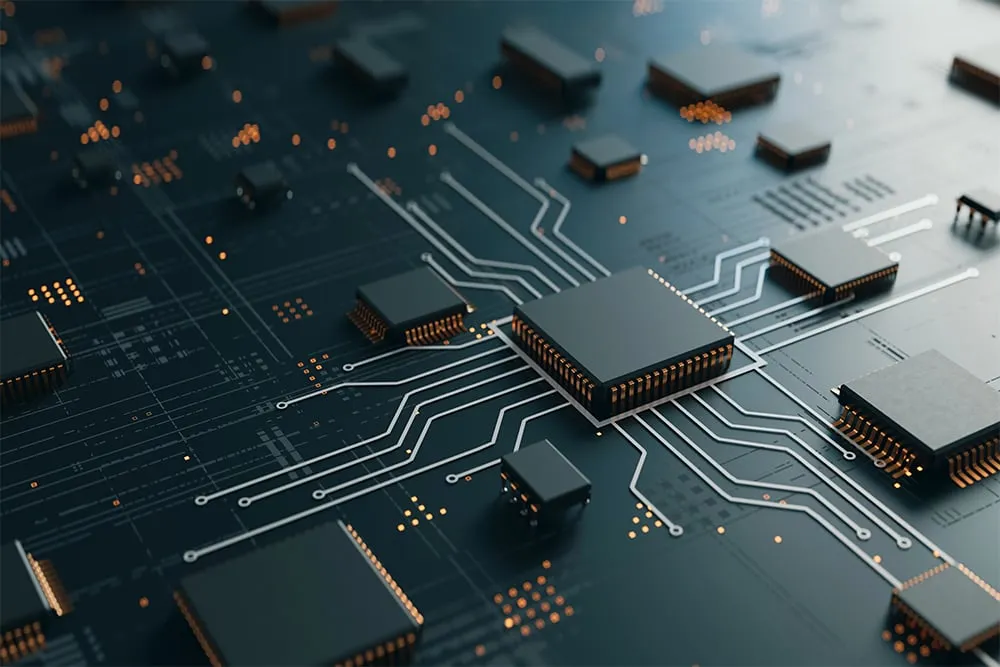
As the world’s most traded commodity, ahead of crude oil and motor vehicles, semiconductors are a crucial driver of digital transformation. Moore’s Law states that the computing power of a microchip doubles every two years while costs halve, but is this theory reaching its physical and economic limits? The semiconductor industry is on the cusp of a transformative era. In 2024, Moore’s Law is expected to evolve, with new paradigms emerging: as chip miniaturisation approaches its absolute physical limit, chiplets are set to make breakthroughs through 3D chip stacking, innovations in materials science and new forms of lithography to increase computing power.
Why does this matter? Accelerated digital transformation is expected across all sectors, enabled by more powerful connected devices, from smartphones and electric vehicles to data centres and telecommunications. These advances will bring changes to the semiconductor ecosystem, including new gigafactories, regulations and business models, …
Batteries
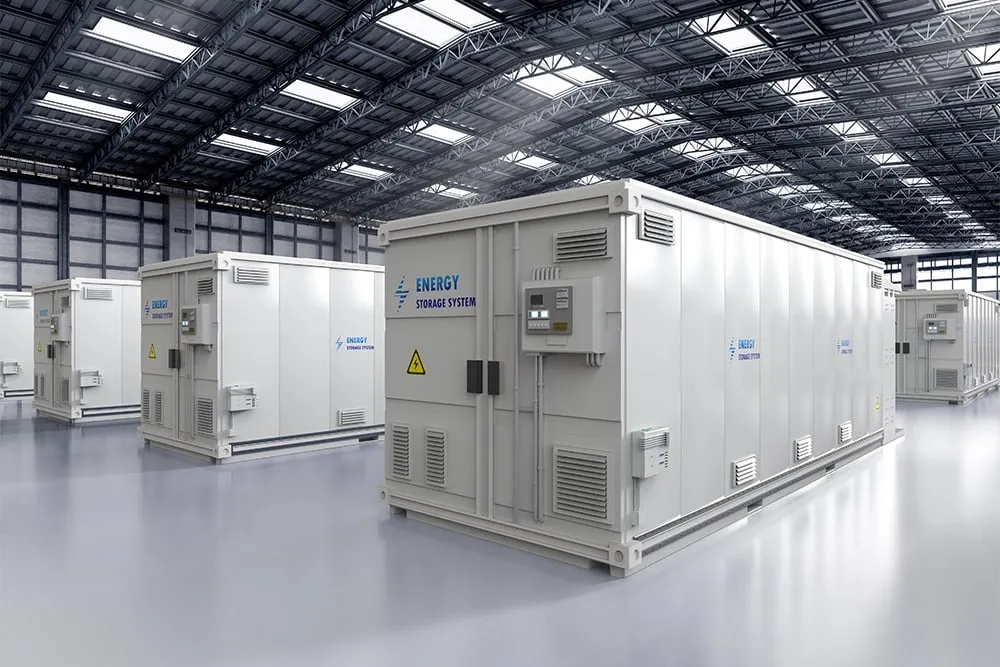
Improving battery performance and reducing costs are key priorities. The aim is to support electric mobility and accelerate long-term energy storage, which is crucial to speeding up the energy transition to renewable energy sources and smart grids. While LFP (lithium iron phosphate) and NMC (nickel manganese cobalt) are becoming the standard for electric vehicle applications, battery chemistries are the subject of extensive experimentation, including cobalt-free batteries (sodium-ion) and solid-state batteries. The latter represent a major step forward, as they have a higher energy density at a lower price than traditional batteries. They also reduce dependence on materials such as lithium, nickel, cobalt, rare earths and graphite, while promising a longer lifespan and enhanced safety.
Why does this matter? In an industry driven by the fight against climate change, these emerging developments could pave the way for a wider choice of batteries for industry and more sustainable use of materials.

Space technology
In 2024, humanity will prepare to return to the Moon. The new space age is being driven by government bodies as well as private-sector players, from start-ups to established companies, and supported by technologies such as 5G, advanced satellite systems, big data and quantum computing. In 2024, this is expected to accelerate innovation and support promising technology projects in sustainable spacecraft propulsion (electric or nuclear) and new low Earth orbit constellations for seamless communications and quantum cryptography.
Why does this matter? The latest space race has revolutionised the world by accelerating groundbreaking innovations such as satellite technology, GPS, integrated circuits, solar energy and composite materials. This return to the stars promises similar revolutions in computing, telecommunications and Earth observation.
Question about this story? Ask your question
Keep following this
Get an email when a new story is published. No account needed.
- ThemeData-driven design and operations
- SubjectSoftware, IT, OT & cybersecurity