Software, IT, OT & cybersecurity
The next steps in the digitalisation of machine tools and drives
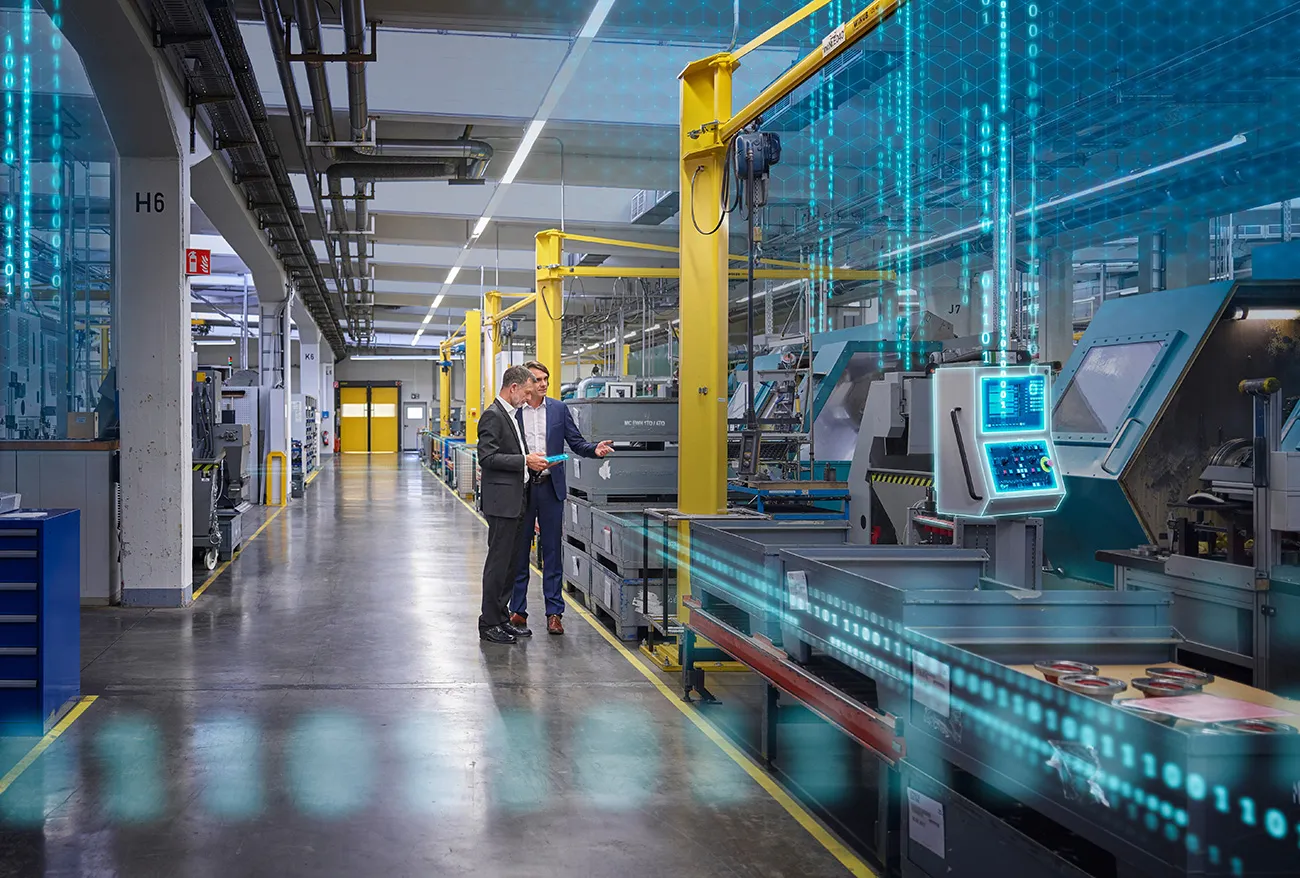
On the road to Industry 4.0, many companies have now succeeded in creating a transparent shop floor. For most, the holy grail of automation is now to predict how their machine fleet will behave. Working closely on digitalisation projects, Siemens’ Motion Control Customer Services team, led by Ronny Maes, is exploring how companies can take the next step in production to increase uptime, improve productivity and boost sustainability.
“With a highly structured seven-step approach, we guide our customers through their digital transformation, from consultancy to maintenance. We want to take an open-minded look at how we can help customers improve their machines. We start with one central question: where do you want to go? We then help them see how they can get there in a manageable way, across the entire lifecycle of a product or process, including maintenance. Since Covid, Maes’ team has had more projects than ever to get its teeth into. “At the time, the focus was on remote solutions. Now we are also looking beyond that. We never want to rest on our laurels, but to keep thinking innovatively with our customers so that they can continue to improve.”
Predict and adapt
Belgian industry’s focus on digitalisation processes has everything to do with the cost structure associated with production here.
“You have to increase your efficiency to the point where there is virtually no downtime. That is the only way to keep producing here. Most companies are already well advanced in making their shop-floor processes transparent. The important thing now is to establish predictability. To know in advance what is going to happen, certainly, but also to develop systems that can adapt to those predictions.”
This is often where the complexity of the next generation of solutions lies. “It goes beyond simply launching a full-scale analysis of your data. You need to sit down with a partner who knows how to manage a drive and can provide feedback on the parameters, and who can bridge the gap between what is available on the IT side and what is needed on the operational side, including in terms of cybersecurity. We can bring a great deal of experience to this area.”
Recognition as a Siemens Hub
The fact that Maes’ team is clearly on the right track with this strategy is borne out by its recent recognition as a Siemens Hub. “It is a milestone for the whole team. For more than ten years, we have served as a competence centre for the entire Motion Control Customer Services portfolio. Our success in delivering numerous projects thanks to the expertise built up here has not gone unnoticed at headquarters. As a Hub, we will now proactively visit the regions with a concrete action plan and ambitious targets. We will sit down with their customers to see how we can work together on solutions that move their production in the right direction.”
The team will therefore receive additional support in the coming months. “It is no longer just about automation engineers. We need people who can analyse customers’ needs and develop a suitable architecture. We always have to be smarter and go further in this area.”
How SKF is staying ahead of the competition through digitalisation
SKF, headquartered in Göteborg, Sweden, can lay claim to being the world’s largest bearing manufacturer. The company identified digitalisation as a key lever for strengthening its competitiveness and partnered with Siemens on a digital transformation. Together, they developed a digitalisation roadmap, which is now being implemented step by step. This is improving connectivity and transparency, enabling extensive traceability and the development of new business models based on Siemens technology. In a genuine co-creation process, SKF and Siemens are continually combining the real and digital worlds in SKF’s factories to use fewer resources and increase flexibility, quality and efficiency. They did not have to reinvent the wheel, however. By looking at how the production of electric motors at Siemens in Bad Neustadt had been digitalised, SKF drew considerable inspiration for applying the approach to its own processes.
Question about this story? Ask your question
Keep following this
Get an email when a new story is published. No account needed.
- ThemeHigh-performance drives and precise motion
- SubjectSoftware, IT, OT & cybersecurity