Software, IT, OT & cybersecurity
Future-proofing machines through digitalisation and intelligent product transport
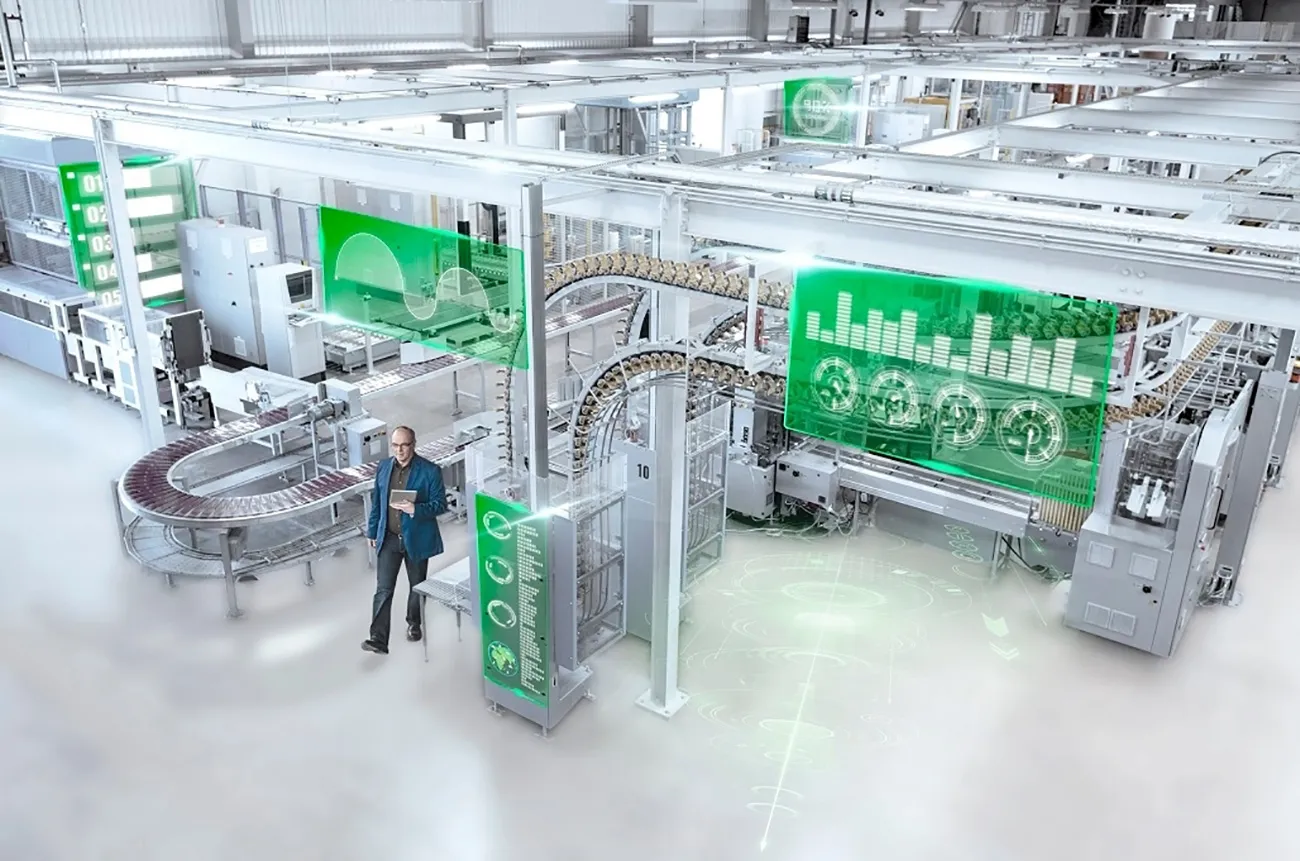
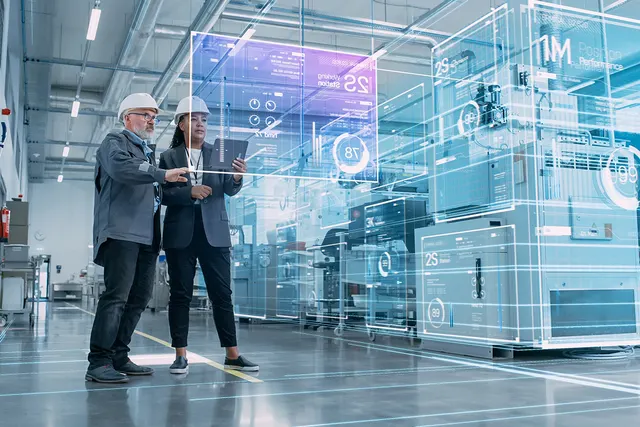
Digitalisation can offer businesses a great deal, but it does not happen automatically. The technology exists, but it is important to apply it to your own production and business processes. This requires competent partners. Automotion is one such partner. The company is Schneider Electric’s Motion Competence Centre and supports machine builders and system integrators in developing their machines. One solution that is rightly attracting a great deal of attention is the Lexium MC12, a flexible, modular conveying system that significantly improves the performance and flexibility of machines and automation in general.

Automotion’s roots go back to 1993. Since its establishment, the Lievegem-based automation specialist has helped machine builders and integrators create added value. “The Automotion–Schneider Electric partnership strengthens both parties in this role. On the one hand, you have the strength of a multinational that can guarantee global availability and stability. On the other, businesses can turn to an SME with short lines of communication that can respond quickly,” explains Bart Van Quickelberghe, Managing Director of Automotion. The formula is clearly gaining ground in the market. The strategic cooperation is now also receiving broader support through the expansion of activities in the Netherlands and Germany.
Digitalisation for greater flexibility
The food industry is an important target market for Automotion and Schneider Electric. Rick Laan, Offer Manager Motion Control & Robotics at Schneider Electric: “This is a sector committed to far-reaching automation and digitalisation. Given its absolute focus on food safety, it requires a little more expertise to deliver hygienic, high-performance solutions. High-end motion and robotics are already on the agenda. The next step is to combine them with digitalisation, enabling food businesses to move towards even greater flexibility.”
Intelligent conveying system
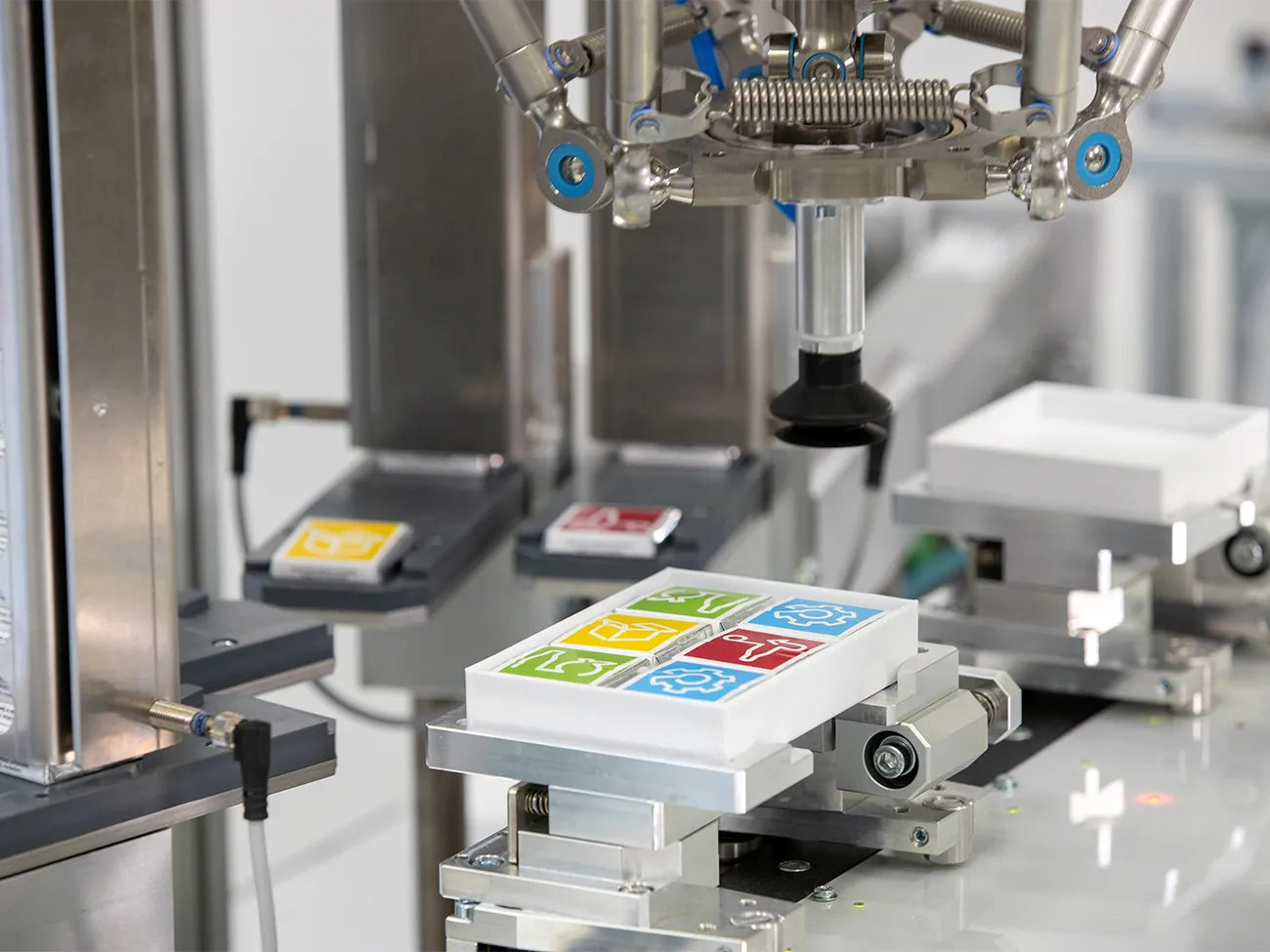
The ideal technology for this is the Lexium MC12 intelligent conveying system, combined with digital twin technology. Multi-carriers move, group and position products, enabling businesses to increase productivity and flexibility and bring products to market faster. “Food businesses today need to respond dynamically to changing consumer preferences. With the introduction of the Lexium MC12, they can adapt production flexibly, precisely because changes need to be made only in the software, not the hardware. It is a revolutionary way of working: whereas your packaging line used to be built around a single product, you can now consider different packaging and different product types … on one and the same machine. Changeover times are reduced to an absolute minimum,” says Van Quickelberghe.
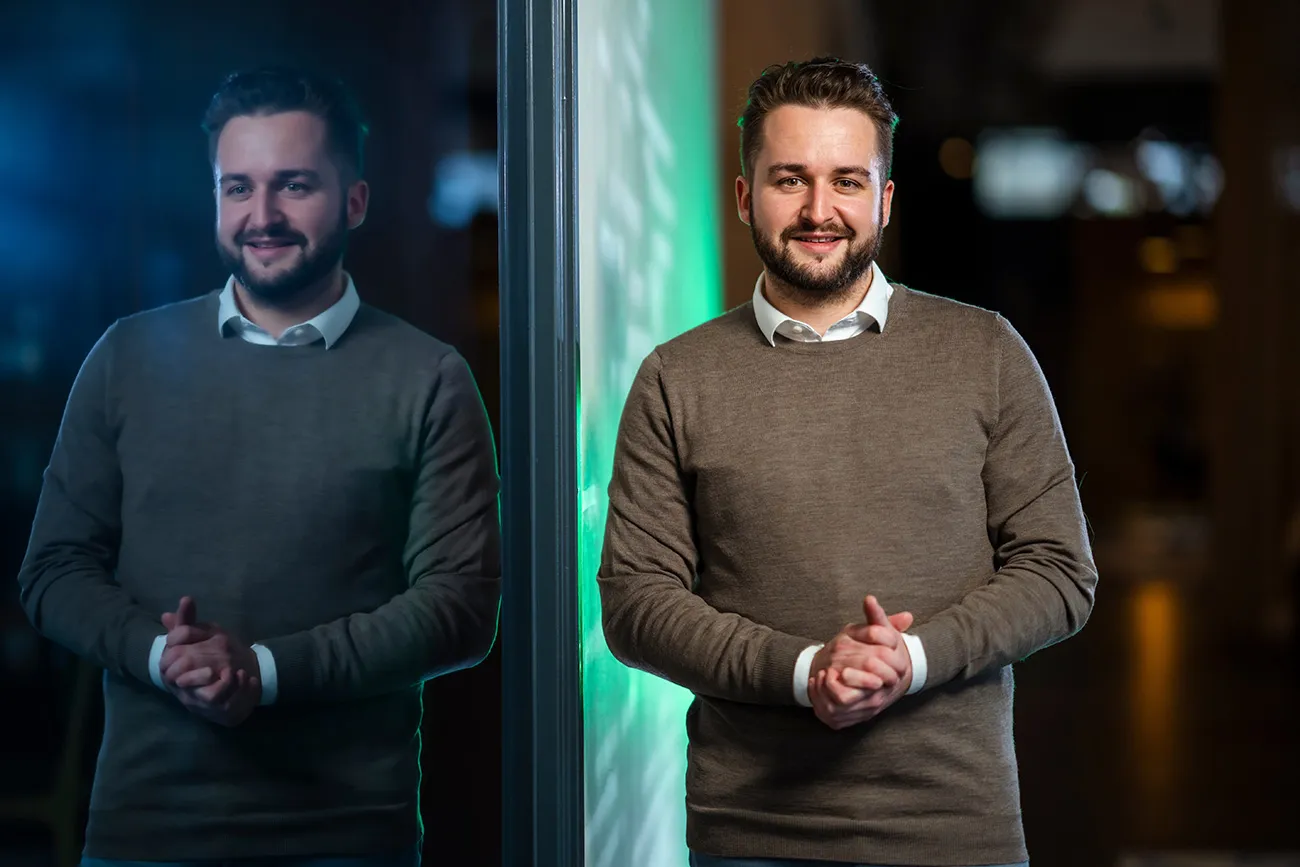
Individually configurable carriers
But how does it actually work? “The Lexium MC12 controls the internal transport of products within a machine quickly, flexibly and precisely. Using linear motion technology, users can build the trajectory they want with segments and product carriers. The carriers, which travel on guided rails, are then controlled individually, allowing the right sequence of operations to be selected for each product. The next carrier can follow a completely different sequence, without any mechanical adjustments. That is what makes the system so flexible and dynamic,” Laan explains. The food industry was considered a target market from the development stage, so the system has an IP65 rating, ensuring it is well suited to this application.
An integrated solution
Schneider Electric promotes its innovation and benefits from it at the same time. Lexium MC12 multi-carriers are widely used at various production sites. “Wherever food businesses want to take a step towards digitalisation, this system can add value. That is thanks to its universal applicability. An MC12 concept is almost always an integral part of a complete solution, with the unit at its centre and all processes and peripherals needing to fit together seamlessly. We connect the software and hardware to create an integrated solution. Everything can be controlled from a single controller. To do this, Schneider uses the PacDrive Motion controller. Industry 4.0 technology may seem complex, but the key is to translate it into user-friendly, easy-to-use solutions. That is the strength of our partnership,” concludes Van Quickelberghe.
Question about this story? Ask your question
Companies in this story
Keep following this
Get an email when a new story is published. No account needed.
- ThemeData-driven design and operations
- SubjectSoftware, IT, OT & cybersecurity
- CompanySchneider Electric