Software, IT, OT & cybersecurity
Embrace change

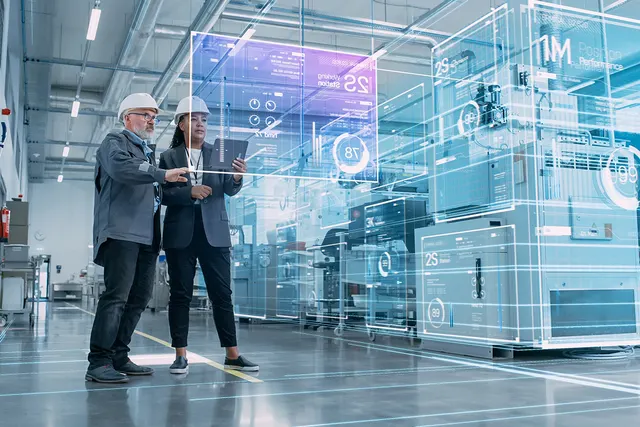
The term “Industry 4.0” was first introduced ten years ago. As with buzzwords, in the early years there was more talk about it than practical implementation. Today, we are seeing these products emerge in industry. They are completely overturning the classic automation pyramid, the ISA-95 model. Information no longer needs to pass through every level on the shop floor to reach the ERP system. All levels can now communicate with each other and obtain the information they need in real time. And this information does not necessarily come from the OT side. Other channels can also provide relevant data.
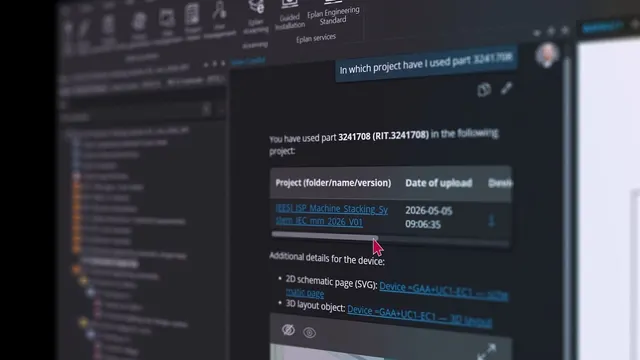
The change offers an extraordinary number of opportunities to improve production processes, but at the same time it opens the door to new security risks. What happens, for instance, if someone starts using these communication lines to modify machine programmes? Choosing the right technology and the right partner is therefore crucial. IoT applications speak a different language, that of the IT world. Modbus and Profibus are not the order of the day there, but Raspberry Pi, Node-RED and MQTT protocols. This calls for a new set of skills to create simple dashboards and visualisations, and to transmit data to local or higher-level systems.
There is still work to be done to ensure that the architecture of a factory of the future is perfectly suited to its needs. To connect your PLC to an IoT gateway and transmit data via MQTT protocols to wherever the information is needed. Ideally, this traffic will always flow in both directions. Once you have a well-designed architecture, you need to build the physical infrastructure: cables, switches and other hardware required to capture data everywhere and enable communication. These elements will no longer be routed to the same point as before. You will prefer to keep some of this data locally, close to your machines or within your own factory, so it can be processed and analysed on site. Some of it will be destined for the cloud.
So why has it taken so long for us all to start making Industry 4.0 a reality? Manufacturing companies and machine builders, well versed in all things OT, do not find it easy to navigate this brave new IT world. We too, as a supplier and partner, took time to transform. This meant building the right technology portfolio, which often led to new suppliers. It also meant teaching our own employees these new skills, so they could in turn support our customers in the best possible way and develop end-to-end solutions for implementing Industry 4.0 in day-to-day practice.
It is precisely this new smart technology that gives our manufacturing industry the means to compete. It is not about data for its own sake, but about the value, and added value, you can create with it. Those who do not, those who think they can rely on the way things have been done for years, are mistaken. Just look at the photocopier a little further down the corridor. In the 1980s, you had to call someone at the slightest malfunction. Today, you no longer see that technician. The machine now guides users through the error codes itself. That is the ideal world we are working towards in industry too. But to get there, we must dare to embrace all these changes. And make sure the first steps, the architecture, are absolutely right before rushing headlong into artificial intelligence.
Maarten Rood
Market Manager Industry
Question about this story? Ask your question
Keep following this
Get an email when a new story is published. No account needed.
- SubjectSoftware, IT, OT & cybersecurity