SKINTOP® cable glands: simply insert the cable, tighten and you’re done!
Texte Lapp Benelux | Photos Lapp Benelux

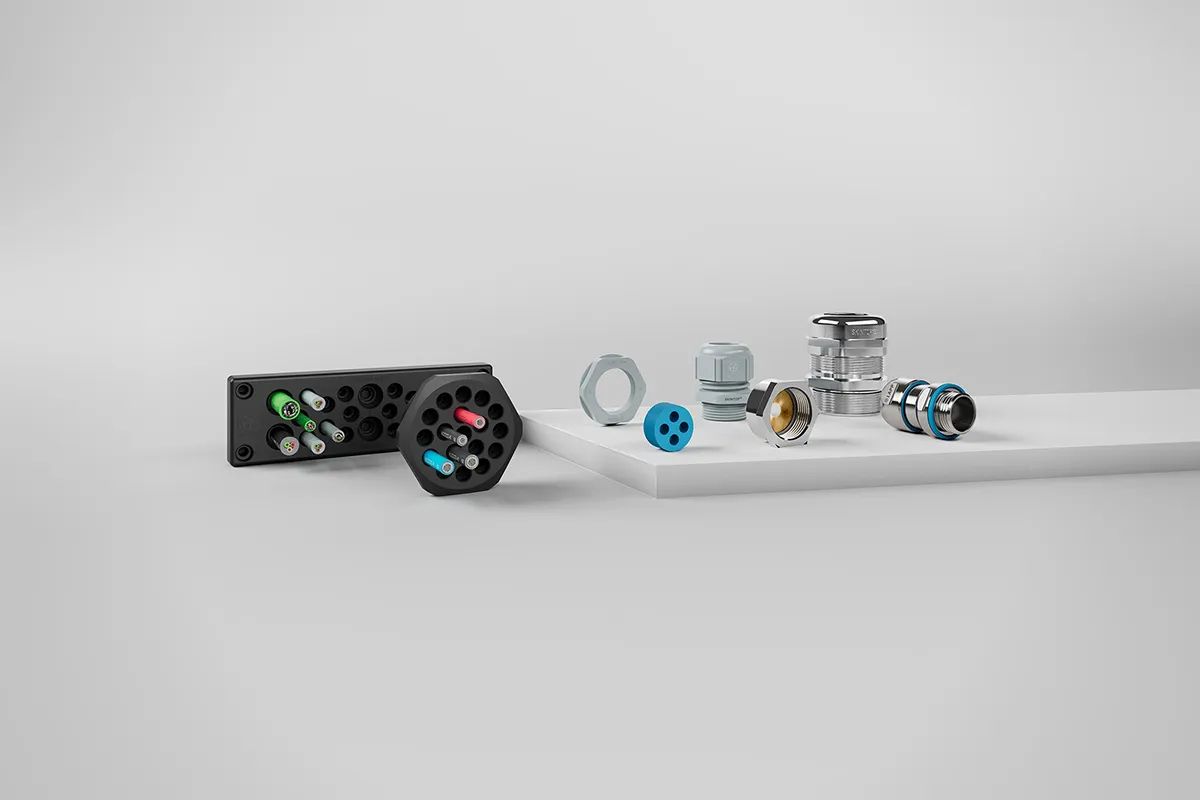
Across every industrial sector, from oil and gas, marine and food and beverage to pharmaceuticals and manufacturing, the need for reliable connectivity between systems continues to grow. Cables and cable glands are essential to providing this connectivity. The right cable gland for the application ensures optimum protection. LAPP, a specialist in cable and connection technology, offers a range of cable glands under its SKINTOP® brand.
“Cable glands perform a range of functions. They provide strain relief for cables, ensure a reliable seal and must also be able to move slightly with the cable,” explains Rob van der Sluis, Head of Product Portfolio Management at LAPP. “We have developed a patented design to absorb the stresses placed on cable glands. As a result, our cable glands provide ten times the strain relief of standard cable glands. This prevents these forces from damaging the cables, which is particularly important in moving applications.”
At the same time, the conditions and applications in which cable glands need to operate vary. “That is why we launched the SKINTOP® cable gland series, so that customers can choose the right gland for each application. In the food and beverage sector, for example, hygiene is essential. Our screw-on cable glands, made from elastomers that meet the food industry’s strict standards, are ideal for this purpose.”
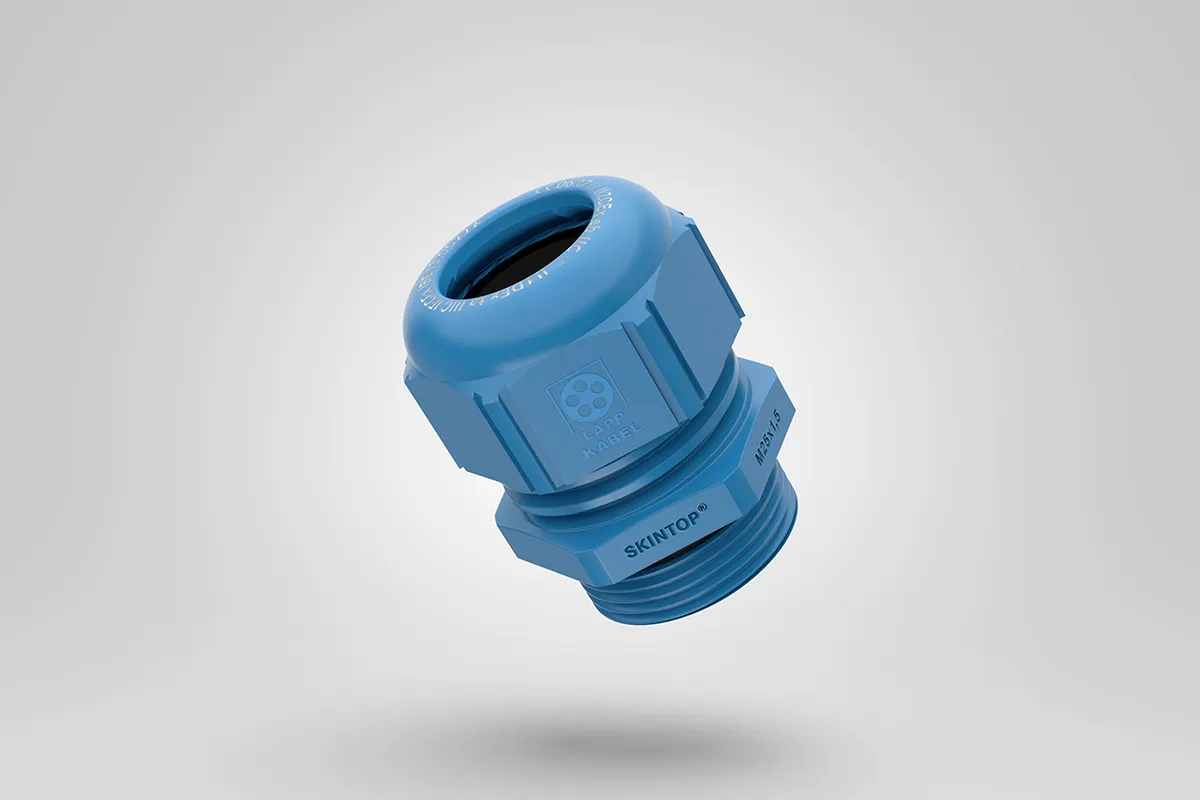
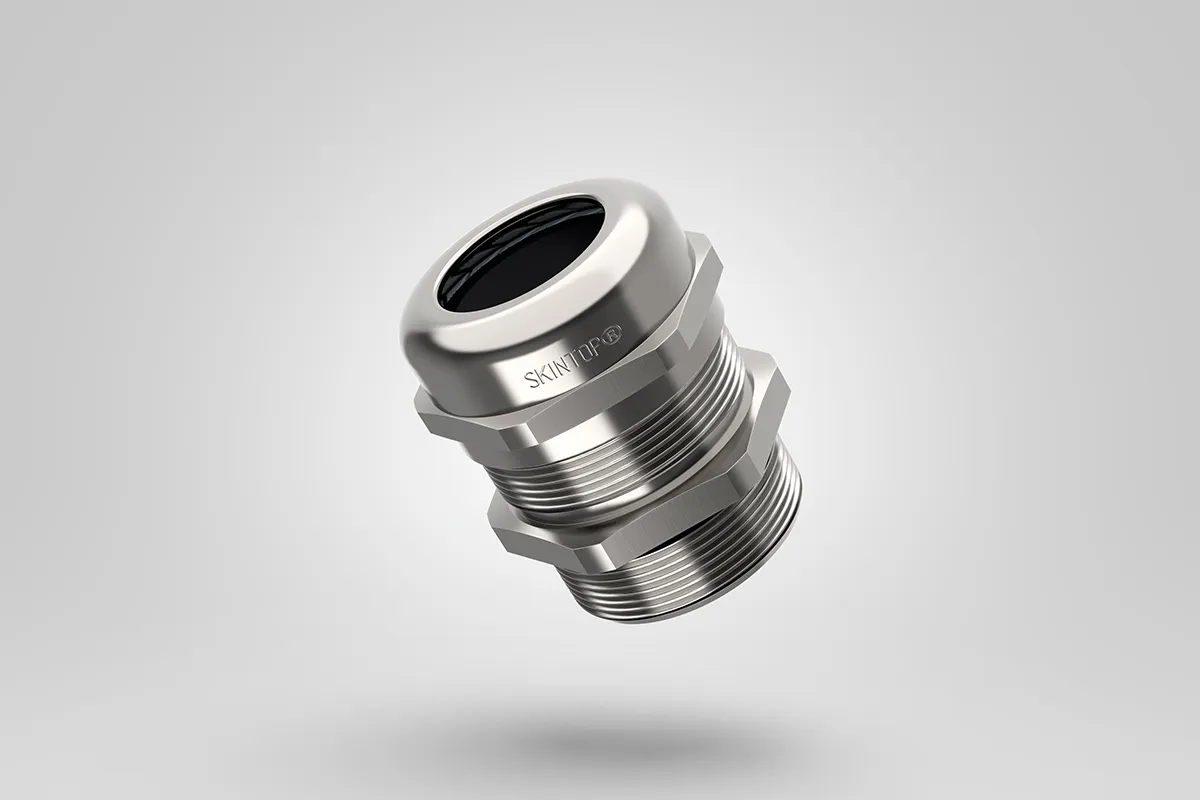
Dust- and water-tight
In other environments, cable glands need to be dust- and water-tight. “For this, we offer IP 69-rated cable glands, which provide the highest level of protection. Dust-tightness is very important in cleanrooms, for example. Water-tightness, meanwhile, is crucial in marine applications and many chemical environments.”
Resistance to temperature fluctuations
Sensitivity, or resistance, to temperature fluctuations is another aspect that deserves particular attention. “Sometimes a cable gland needs to withstand extremely high or low temperatures to prevent it from expanding or contracting. Our range includes cable glands for temperatures from -70 to +200 degrees Celsius. These are very different from standard plastic models.”
EMC requirements
Electromagnetic compatibility can also be a factor in certain applications. “Where EMC requirements are demanding, we offer special accessories, such as the SKINTOP® MS-M BRUSH with its 360° brass brush to prevent interference at all times. It provides optimum EMC protection.”
Environmental requirements
Rob Van der Sluis also mentions the RoHS and REACH directives. “The RoHS Directive sets legal limits on certain hazardous substances in electrical and electronic equipment, while REACH aims to protect human health and improve the environment by addressing the risks associated with chemical substances. To meet these environmental requirements, we have developed special cable glands that are almost entirely lead-free. Copper always contains a certain amount of lead, which can be as high as 4%. In our lead-free cable glands, lead content remains below 0.1% thanks to a special production method.”
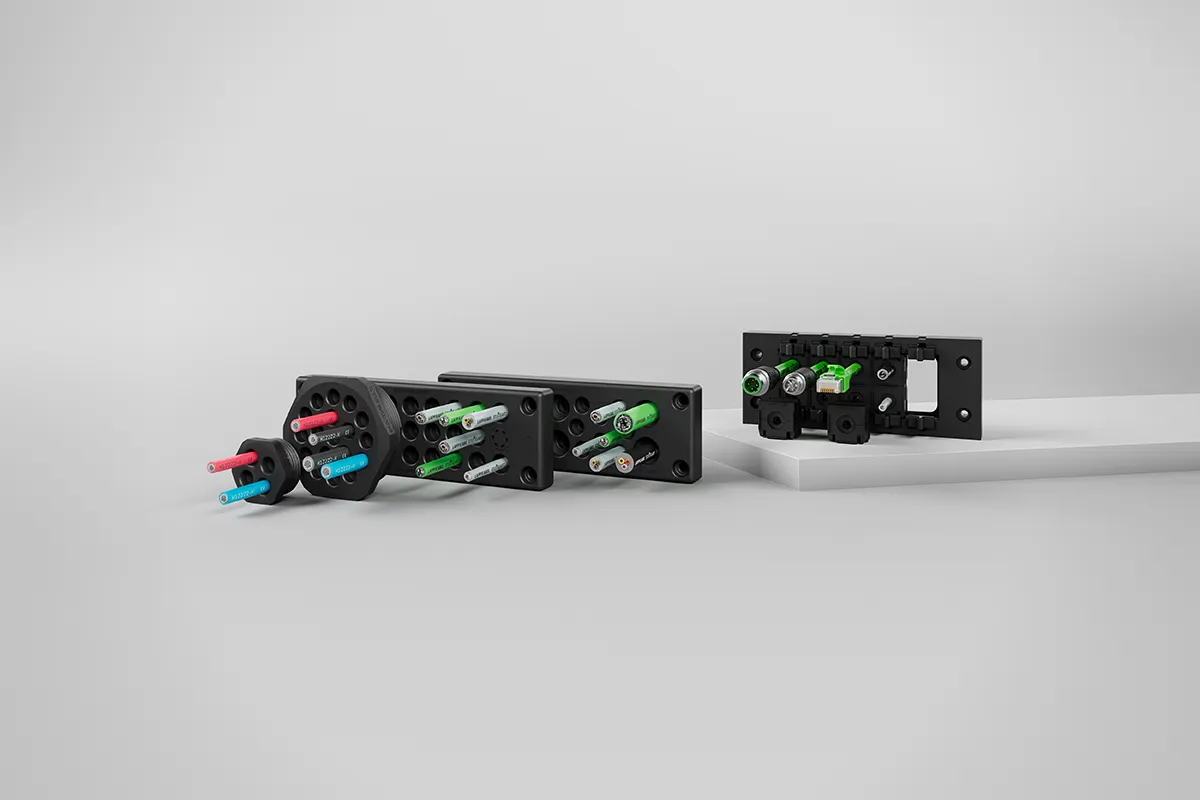
Requirements for cable glands are becoming increasingly stringent. “That is why we closely monitor trends and developments, so we can adapt and expand our offering to meet new market needs and expectations. This means our range can provide a cable gland for every application, ensuring optimum protection.”
Een zakelijke vraag aan Lapp Benelux B.V.? Get in touch
Companies in this story
Keep following this
Get an email when a new story is published. No account needed.
- SubjectServices & solutions
- CompanyLapp Benelux B.V.