Meeting every industrial automation challenge, and meeting it brilliantly
It is a well-established fact that automating industrial production processes is more essential than ever to ensure the long-term viability of our businesses in the face of current and future challenges. Every industrial automation project, whatever its scale and specific requirements, involves different aspects that must all be addressed with equal care to deliver a fully integrated, fully operational solution. This article uses a practical application to shed light on some key considerations, demonstrating the effective approach taken by the various partners throughout the automation project. The result is a fully operational solution.
A practical example
The long-standing collaboration between SedActa, a solution provider offering industrial automation solutions ranging from integration to turnkey projects, and Beckhoff Automation, a specialist in PC-based universal and open control and automation systems, was put to use in fine-tuning an automation solution tailored to some very specific challenges.
“SedActa was first approached at Indumation 2019 to design an automation solution incorporating a robotic cell for sorting and processing small, long synthetic-material rods,” Thomas Mortier, project manager at SedActa, tells us. Without going into detail, as the project must remain confidential at the end customer's request, the technical requirements presented some very specific challenges.
The solution developed
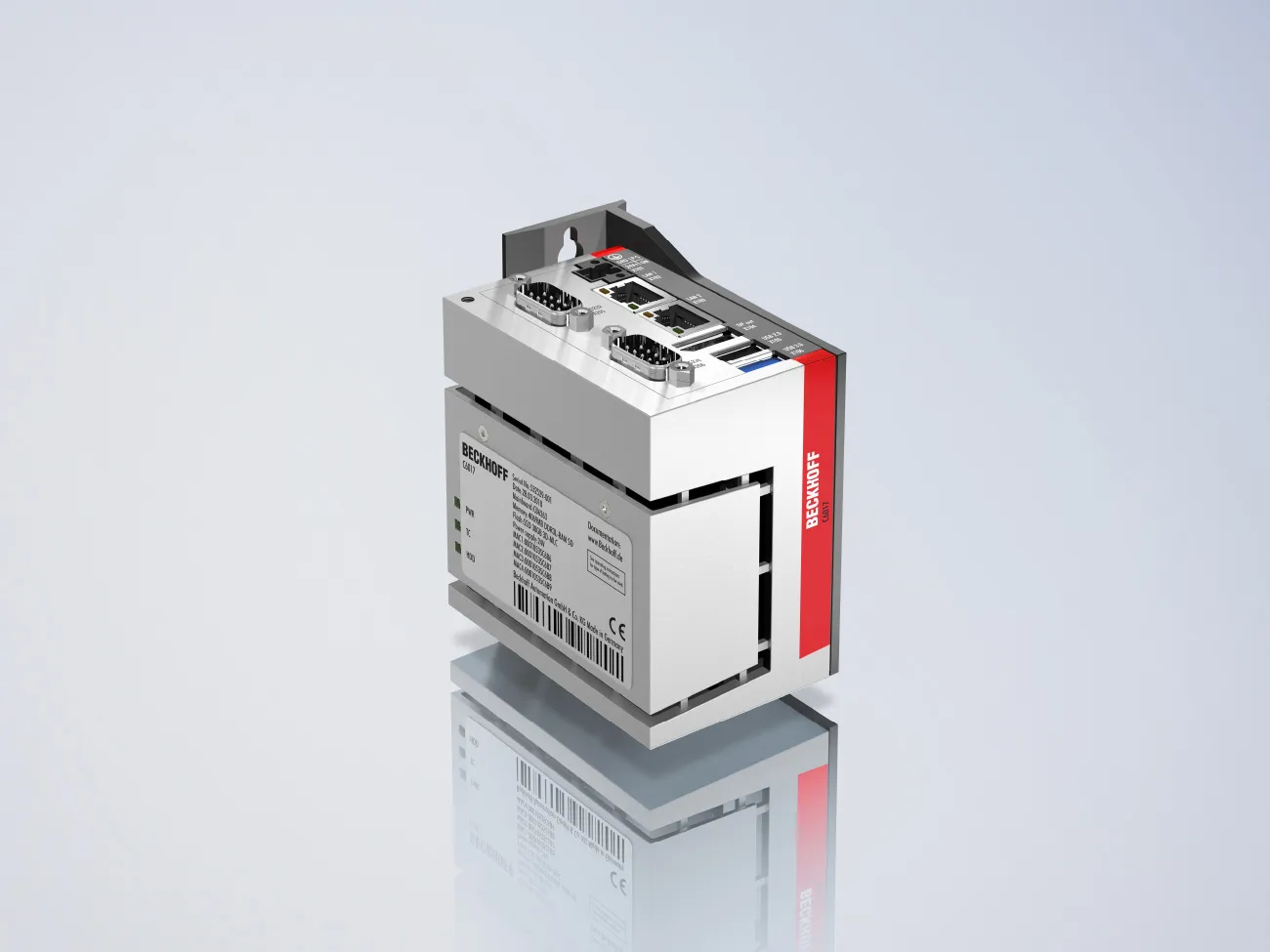
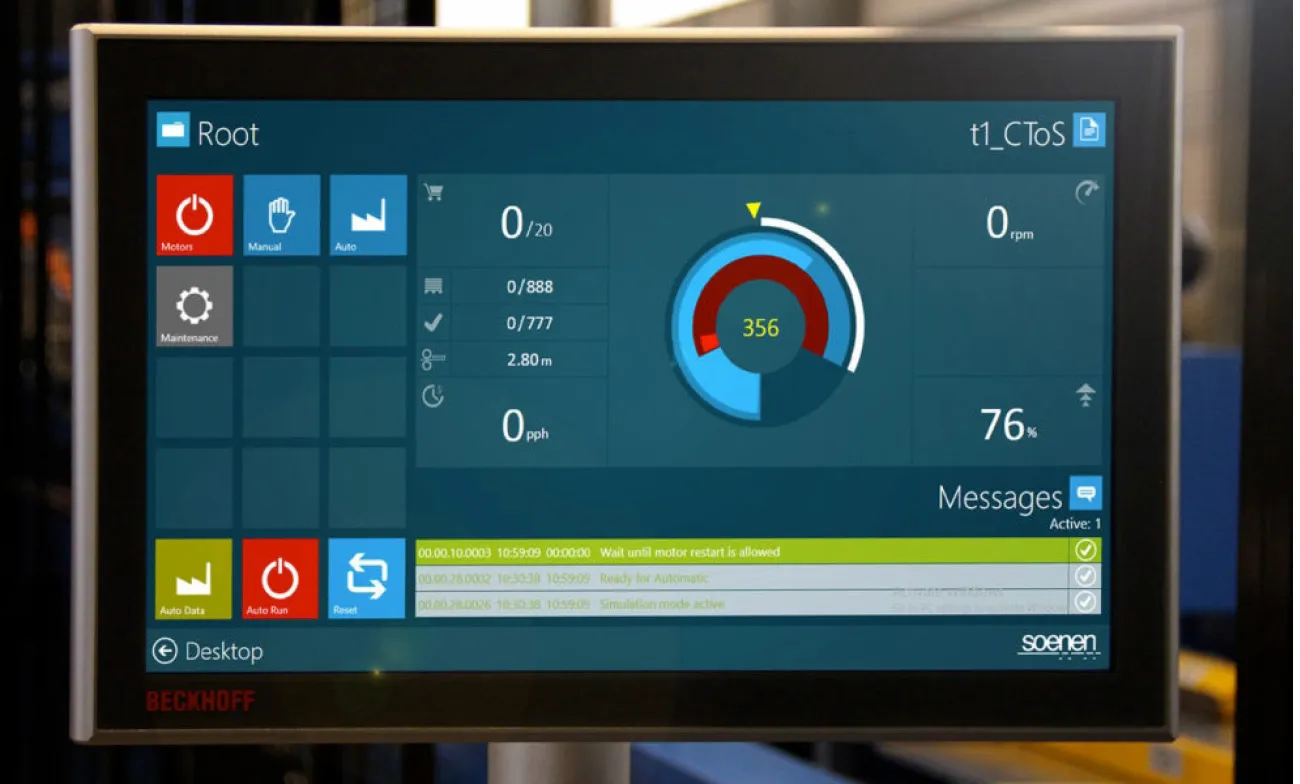
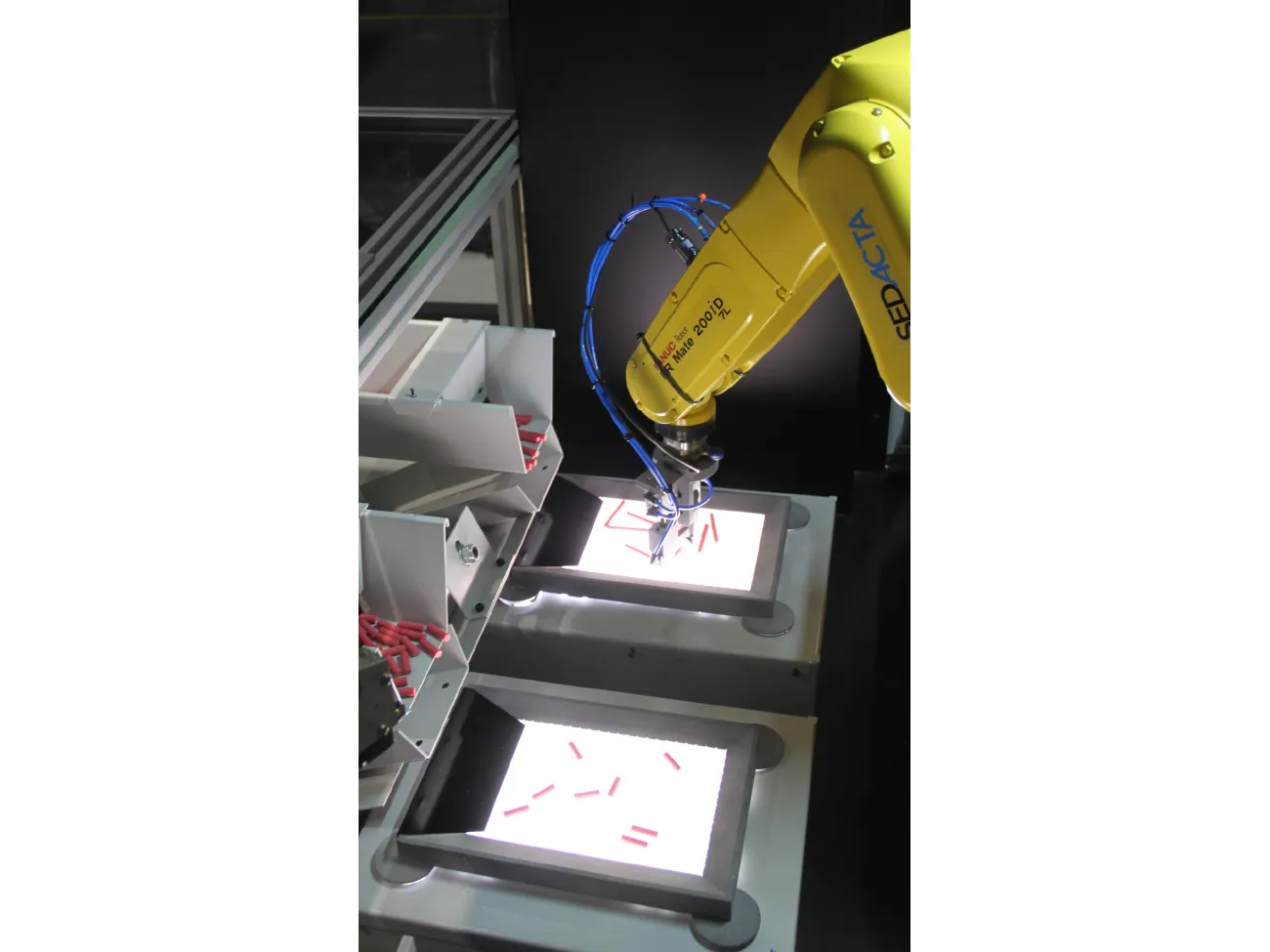
“The solution implemented by SedActa comprises a Fanuc robot with its own gripper, designed to pick up and position the products; a customised application for the camera vision system, which enables the customer to teach it to recognise product positions on the vibratory plate; LED lighting; a vibrating feed hopper to meter the products; Beckhoff Automation’s ultra-compact C6017 industrial PC; and a user-friendly HMI screen. The C6017 industrial PC runs Beckhoff’s TwinCAT 3 automation platform, which turns the industrial PC into a fully-fledged PLC. Combined with the PC’s fast CPU, this delivers very short cycle times while ensuring flexibility and scalability. It controls the cameras, image-processing software and LED control,” explains Cédric Sabbe, Account Manager at Beckhoff Automation.
For this machine, SedActa designed the control panel using Beckhoff’s new-generation TwinCAT HMI visualisation software. Beckhoff’s EtherCAT fieldbus, based on Ethernet, is used to communicate with all sensors and actuators, as well as for real-time communication between the TwinCAT PLC and the Fanuc robot.
SedActa handled the various aspects of this project in-house. “Given the complexity, it was important for us to be able to coordinate the mechanical design and machine control 100%! Close cooperation with the customer, who had experience with some of the subprocesses, was also crucial to the success of this project,” stresses Thomas Mortier.
The project also evolved as testing revealed specific needs, particular features and technical challenges. The specifications were therefore reassessed, modified and refined over the course of the project. The flexibility and adaptability of the solution proved to be a real asset. The project was able to evolve in step with the customer’s requirements. The technical challenges of this highly specialised project were successfully overcome thanks to the commitment and expertise of everyone involved, and to the scalability guaranteed by an open, powerful automation solution.
A long-standing collaboration with Beckhoff Automation
Beckhoff has been a supplier to SedActa for more than ten years. Its technology is ideally suited to demanding applications, such as controlling Soenen machines supplied by SedActa. These machines require fast, precise axis movement using servo motors for the sheet metal industry.
These include punching machines operating at 700 spm and feeding a plate more than 20 mm thick in 50 ms, with an accuracy of 0.01 mm. Arcelor Mittal and Joris Ide, for example, use them to produce sandwich panels.
Punching lines are used, among other applications, at Volvo and DAF to punch holes in truck chassis. Here, a punching unit with a dead weight of 7.5T is positioned over a distance of 135 mm in < 500 ms.
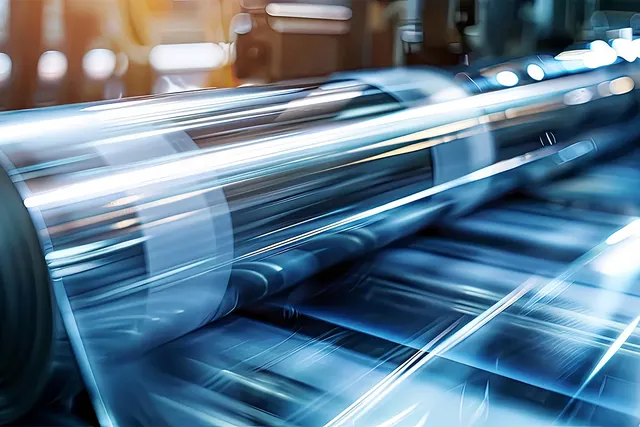
A final product group comprises electrical steel cutting lines, which the end customer uses to assemble transformers. Coils with a thickness of 0.18 to 0.35 mm are fed through the line at 270 m/min, while the finished product is stacked to an accuracy of +/- 0.1 mm. Given the many machine stops, optimal acceleration is essential for high throughput. Plate acceleration reaches more than 100m/s².
All these machines are equipped with a Beckhoff IPC, delivering excellent cycle times and extensive signal analysis for fine-tuning the control loops.
Question about this story? Ask your question
Companies in this story

Keep following this
Get an email when a new story is published. No account needed.
- ThemeReliable and open industrial networks
- SubjectServices & solutions
- CompanyBeckhoff Automation