Ease of use prevents tampering
Texte Euchner & Evi Husson | Photos Euchner
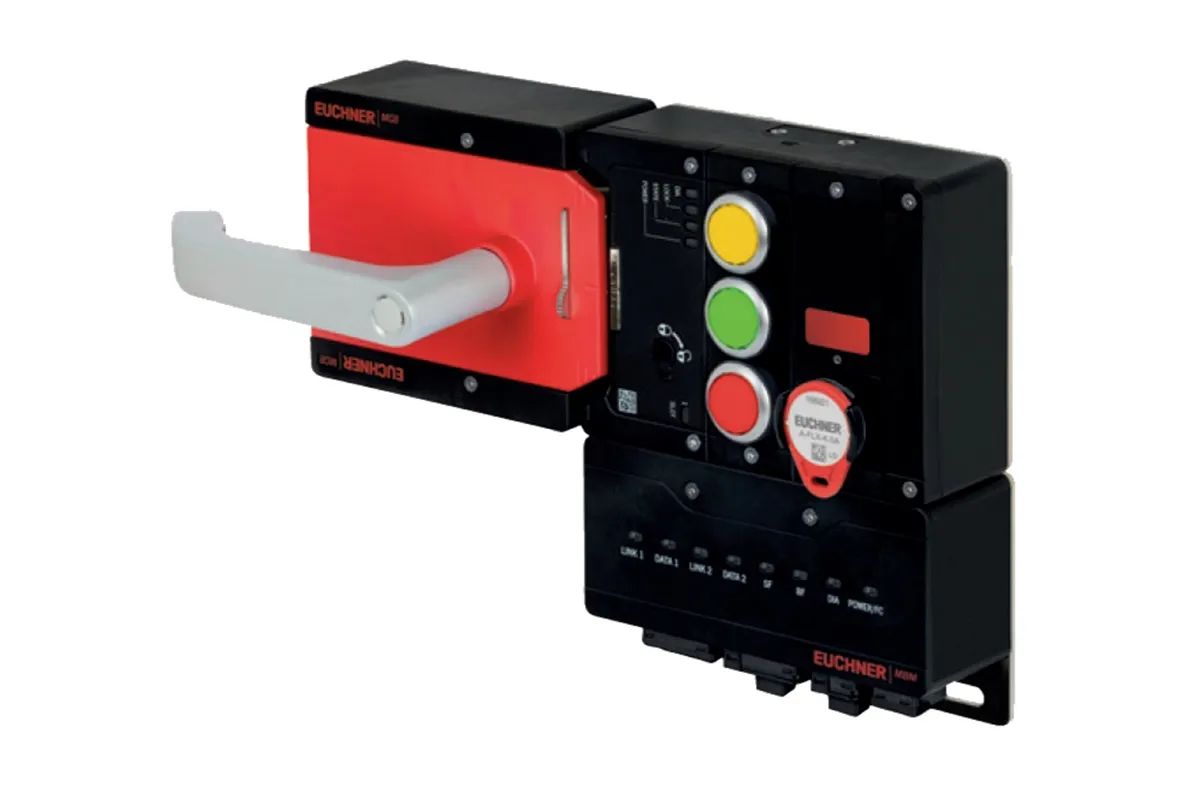
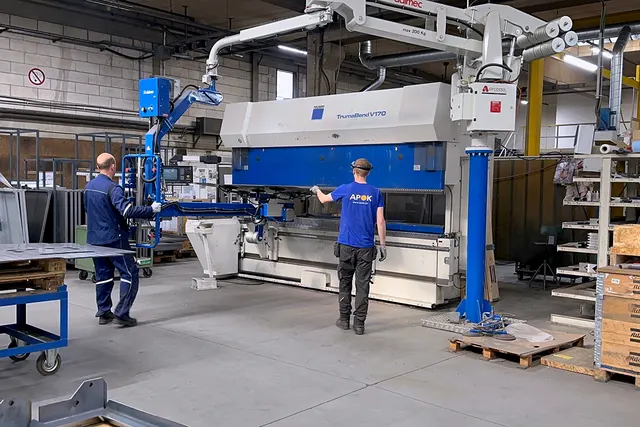
At the beginning of 2027, the European Machinery Regulation will replace the Machinery Directive. In essence, the objective remains the same. Access to a dangerous machine or its interior must be organised in accordance with the rules. The machine must not injure people or animals. Vladimir Dragosavic, International Training Manager at Euchner in Germany and a member of several standardisation committees, discusses a number of key issues.
Ease of use prevents tampering
“The Machinery Directive dates from 2006; the new EU Machinery Regulation will enter into force in 2027. A lot has changed in the intervening period of no less than 21 years,” begins Vladimir Dragosavic. “Machines with moving parts or heavy or sharp objects still pose a risk, particularly if people are inattentive or maintenance is poor. The injuries have not changed either. What is new, however, is the high degree of digitisation, the resulting increase in cyberattacks, and the emergence of artificial intelligence. New laws and regulations raise the question of whether they apply to a given machine. In the case of a simple packaging machine without numerical control, this question can quickly be ruled out. However, if there is a certain degree of intelligence, you will have to demonstrate that your machine is resistant to external influences.”
A new state of the art
Over the past 20 years, new safe bus systems have come onto the market, safe radar systems are available, and the world of transponder solutions has grown considerably. “From the perspective of laws and standards, there therefore needs to be scope to apply these new safety components correctly. In addition, the increased workload has led to a wider range of nationalities in the workplace. Workers who speak other languages must also be able to work safely with machines at all times.” The new EU Machinery Regulation is not a directive but a regulation, which will automatically become fully applicable and take immediate effect in all 26 countries of the European Community by the beginning of 2027.
Door lock with buttons
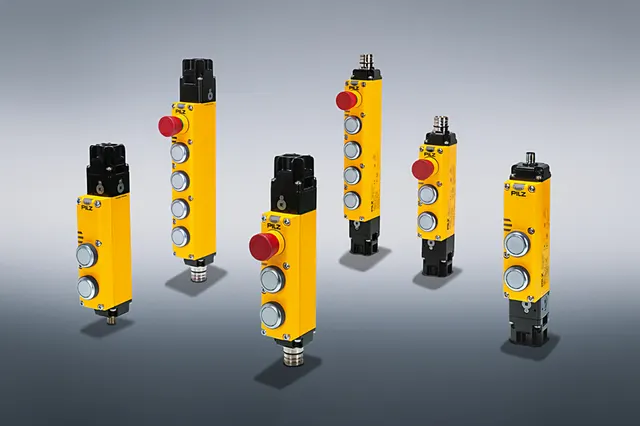
Systems have been designed to make things easier for operators and maintenance personnel, removing the incentive to bypass safety devices. Vladimir Dragosavic gives an example. “By adding buttons to a door lock for requests, resets and restarts, labelling and an authorisation key, unnecessary actions such as walking between the control panel and the door are eliminated. This avoids frustration and, in turn, tampering.”
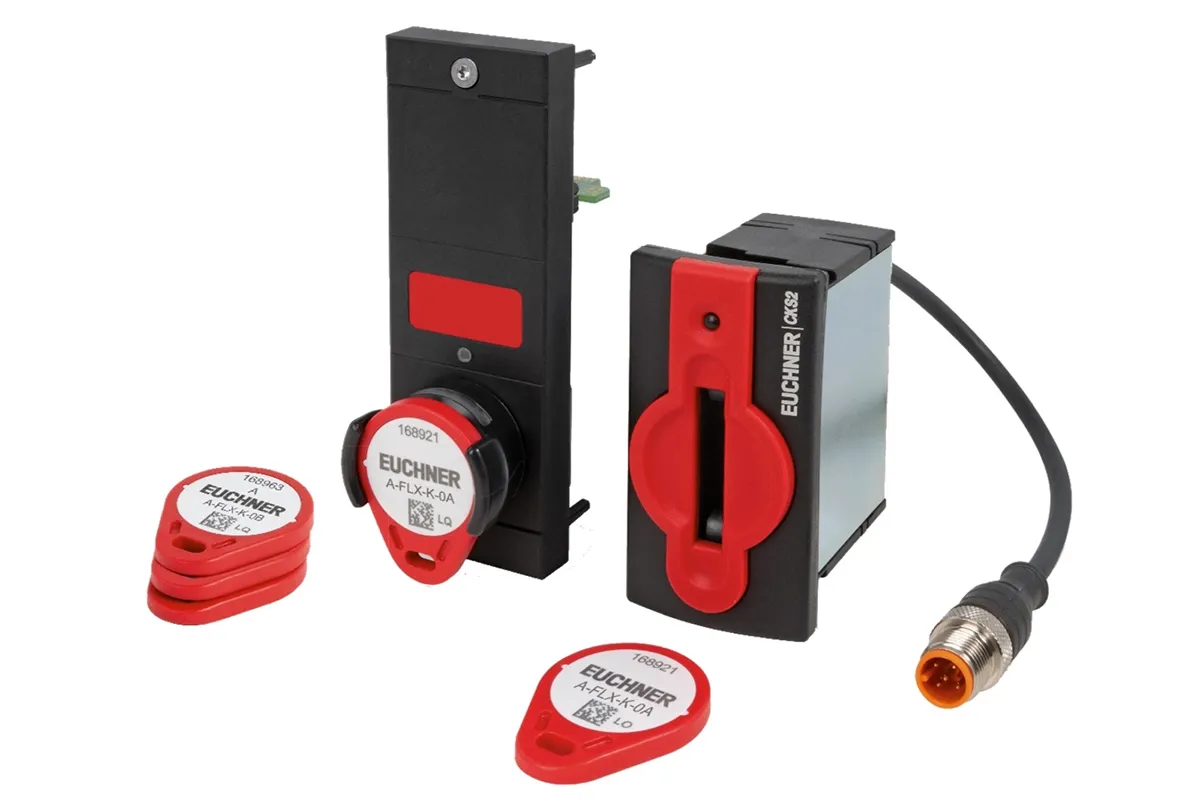
The authorisation function can also be reversed to create a locking function. “You remove the key from the door lock and take it into the machine area. The machine cannot start until the key is inserted into the door lock. If necessary, you can put the same key in a key cabinet in the machine area, after which you can control the local functions.”
The possibilities offered by key systems are endless. A company can define its own safety functions. As key systems have safe outputs, it is also possible to achieve a PL rating, often up to PL e.
Modular design
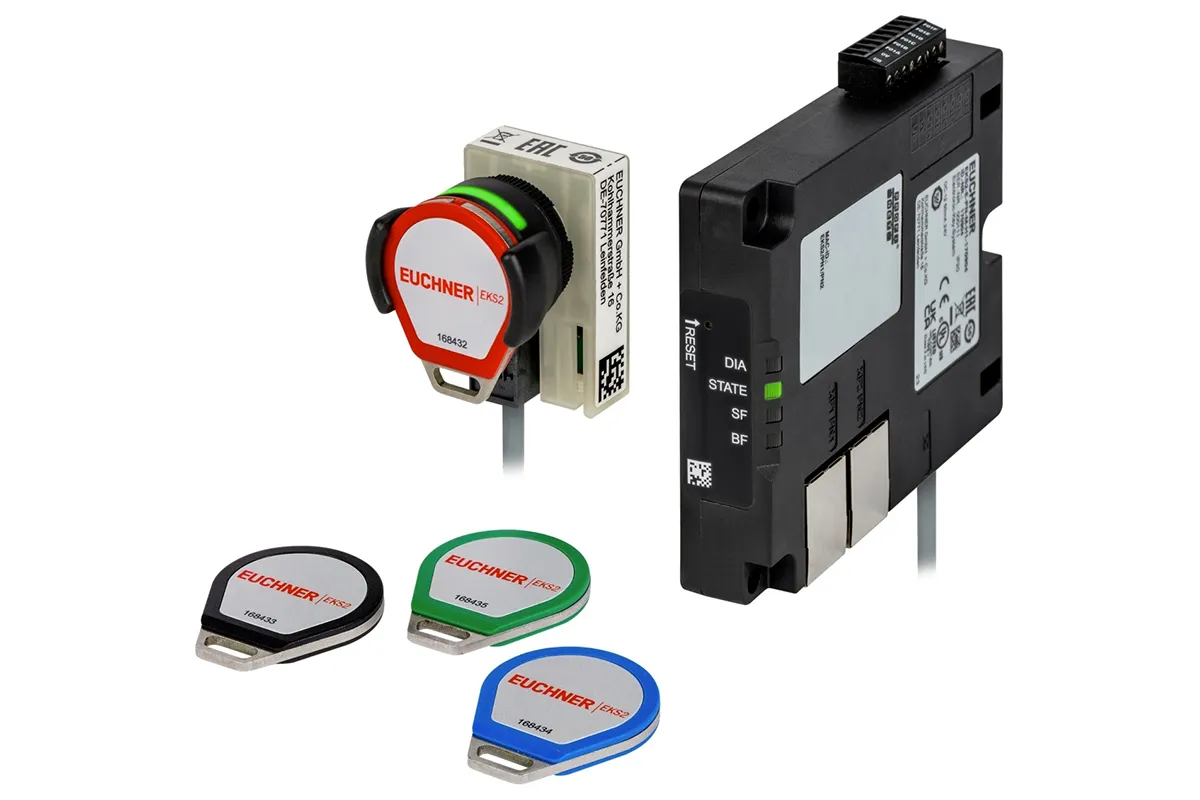
Euchner’s latest key system, the EKS2, has a modular design, allowing it to be integrated into very slim HMIs. This makes it possible to ensure machine safety at PL e, but a company does not have to use this capability. It is also possible to use only the authorisation system. It operates at 13.56 MHz and comes with AES encryption as standard. In an age of cyberattacks, it is a fully cybersecure solution.
Transponder technology
Key systems communicate using transponder technology (RFID), and the read electronics are redundant. The safe outputs can be OSSD, allowing them to be used with modern safety controllers and safety relays. “A lost key can easily be replaced with a new one. The old key is then blocked, and the new one can be connected to the system in less than half an hour. There are other advantages, such as the option of using a set of keys that assigns the same rights to a group of people. In short, almost anything is possible with a flexible key system. If you would like to discuss the possibilities for your company, please get in touch with us. EUCHNER’s engineers are very good at thinking outside the box and will be happy to consider the options with you.”
Een zakelijke vraag aan EUCHNER? Get in touch
Companies in this story

Keep following this
Get an email when a new story is published. No account needed.
- SubjectServices & solutions
- CompanyEUCHNER