Refractometry offers valuable advantages at various process stages
Texte Evi Husson | Photos Elscolab
A range of methods on the market can measure the concentration of a liquid in a process pipe or inline. However, not every method is suitable for every application. Some, for example, are sensitive to temperature, pressure variations or liquid carryover. Refractometry, on the other hand, offers valuable advantages at various process stages. Kevin Boels and Feb Theys of Elscolab explain the measurement method.
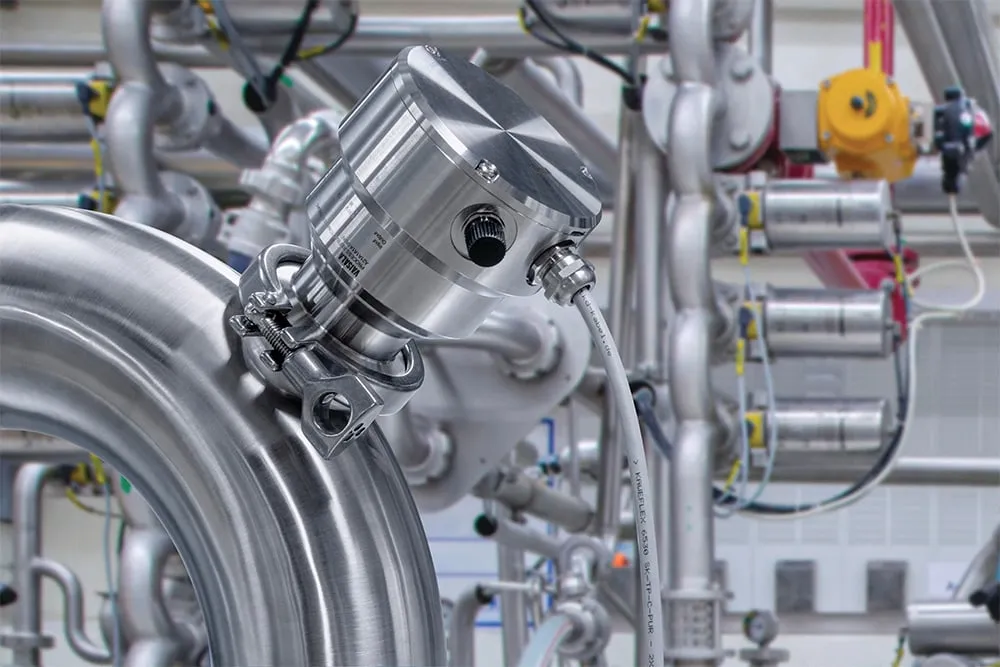
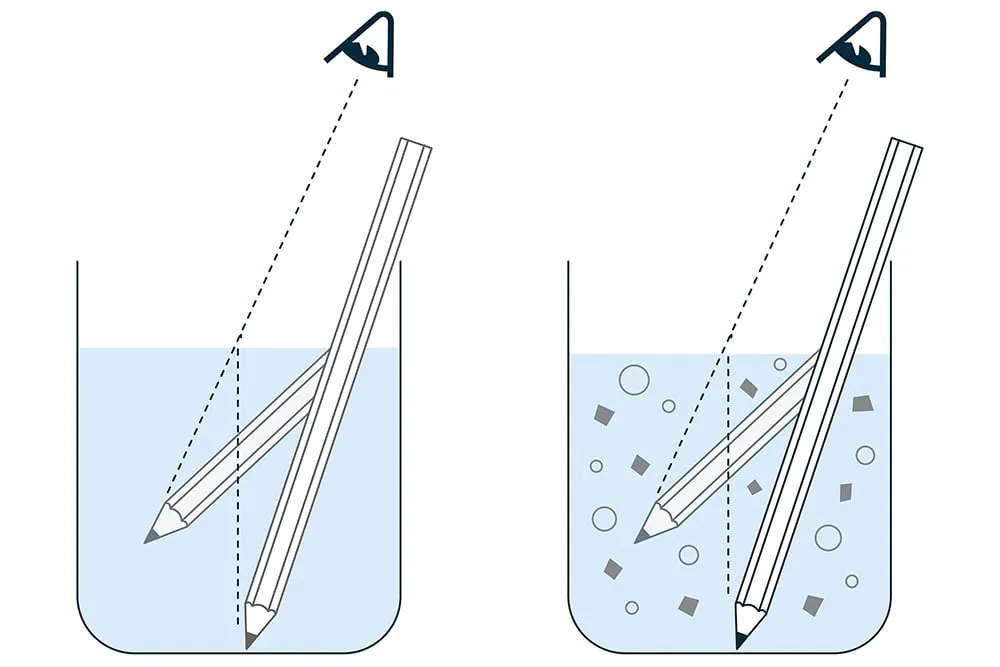
“Refractometry is an optical measurement of the refractive index of light in a liquid,” says Kevin Boels, sales engineer at Elscolab. “A LED illuminates the material, and the light is reflected. The angle of refraction depends on the concentration of the dissolved material. This means it can be determined accurately in real time. One well-known application is Brix, the standard unit of measurement for the sugar fraction in a liquid. Refractometry is well established in the food industry and offers many advantages over other measurement methods in sectors such as chemicals, pharmaceuticals, oil and gas.”
Advantages
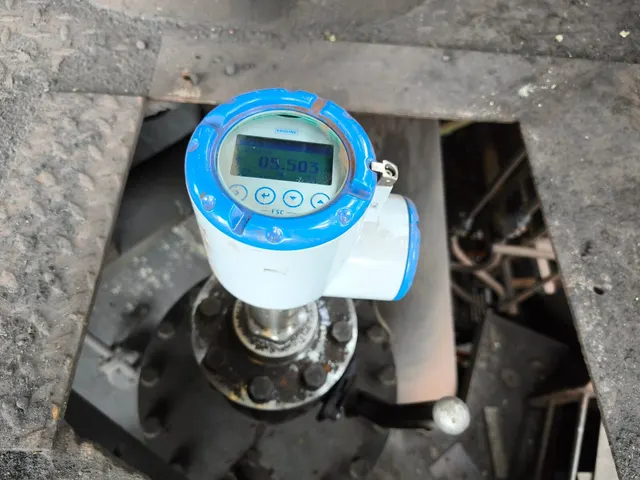
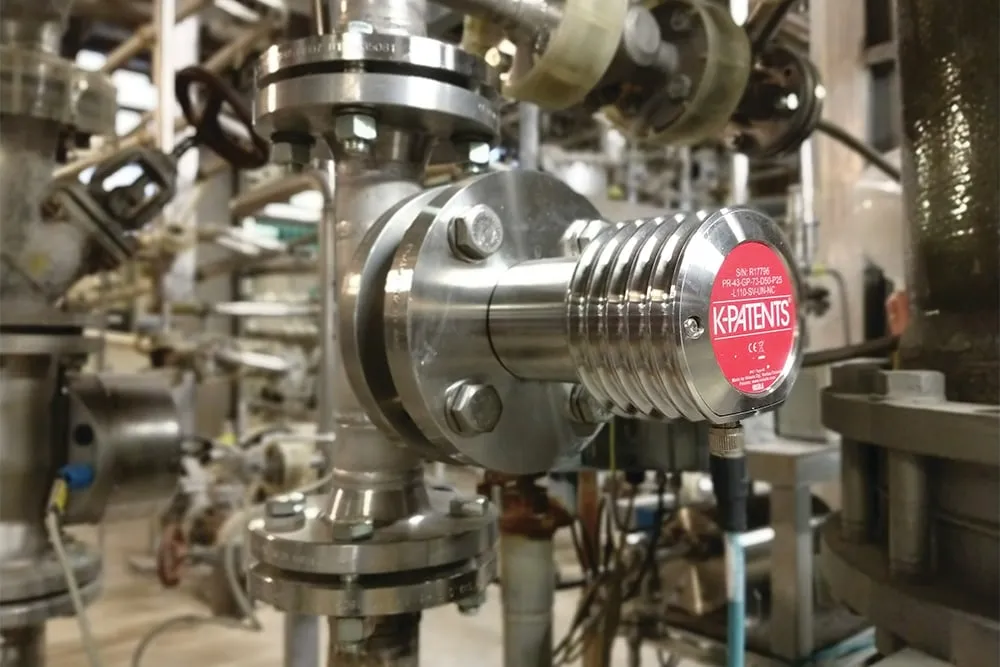
Feb Theys, also a sales engineer at Elscolab, continues: “Some concentration measurement techniques have their limitations. In industrial processes, flow rates are not always constant, and measurement techniques such as Coriolis flowmeters and U-tubes cannot always determine density accurately. They are sensitive to flow fluctuations and turbulence, unlike refractometers.” Temperature and pressure variations, as well as resonance, can also affect measurement results. Kevin Boels says: “With a refractometer, temperature variations are compensated for immediately. The VAISALA/K-Patents inline refractometers we use feature CORE (Compact Optical Rigid Element) optics to absorb pressure variations and vibrations.” Air bubbles and solid particles are no problem. “Only the dissolved material determines the refractive index, so small or large quantities of air bubbles or solid particles have no effect. The measurement is reliable.”
Return on investment
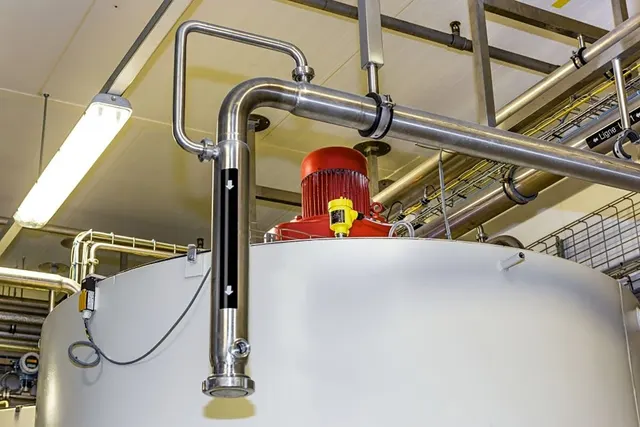
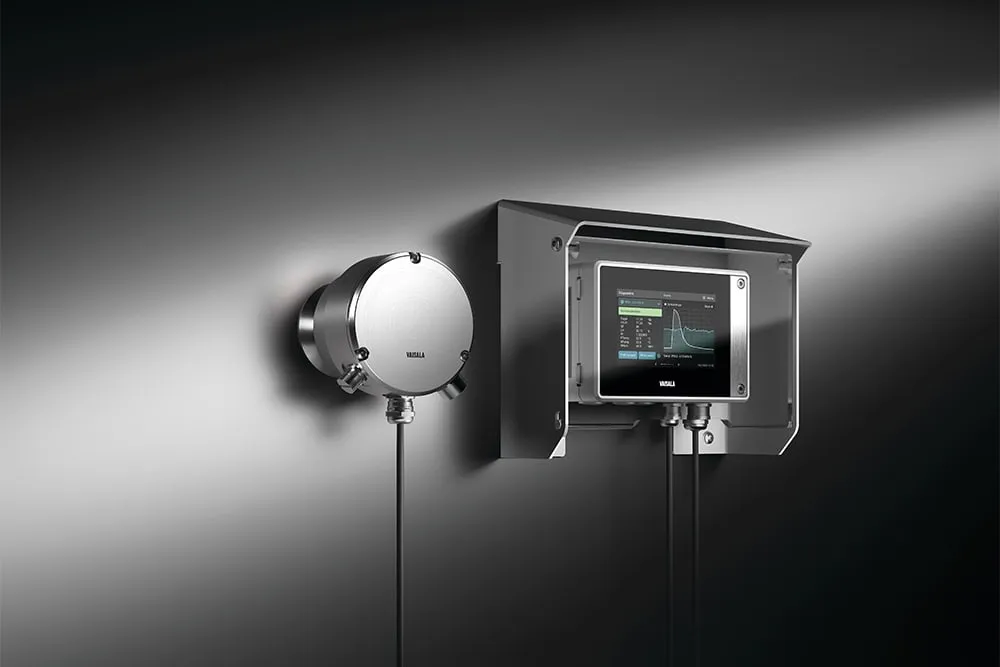
“Refractometers pay for themselves quickly,” adds Feb Theys. “They can be installed in a process pipe. Measurements are taken in situ, avoiding sampling, dilution or filtration, and results are available in real time. Refractometers require virtually no maintenance and withstand SIP and CIP cleaning. Once installed, they need no further attention. The company saves time and money by avoiding the need to monitor a CIP cycle and use acid, detergent and water.”
Applications
Refractometry is suitable for a range of sectors. It is well known in the food industry for measuring, for example, the sugar concentration in oranges and other fruits, as well as in the production of sweets, tomato-based products, jellies and other products combining fruit, flavourings, pectin, acid, sugar or starch-based sweeteners.
In the oil and gas sector, refractometers are suitable for upstream, midstream and downstream operations. Applications include determining the aromatic content of hydrocarbon streams, measuring the amount of sulphuric acid during spent acid recovery, glycol dehydration, H2S removal and more. In the chemical industry, chemical solution concentrations often need to be determined to optimise processes, making refractometers an ideal choice.
Kevin Boels says: “In the pharmaceutical, medical and biotechnology sectors, refractometry is a valuable analysis technique in continuous processes, supporting ongoing quality monitoring. In batch processes, it provides valuable information about reactions and process stages. Applications include evaporation, fermentation, filtration, mixing, dilution and blending of solutions, coagulation, quality control and more. Refractometers are widely used across a range of industries and applications.” Feb Theys concludes: “Elscolab works with a partner with many years of experience in refractometry, ensuring quality and reliability.”
Question about this story? Ask your question
Keep following this
Get an email when a new story is published. No account needed.
- ThemeMeasurement for process control
- SubjectProcess & instrumentation