Process instrumentation in the age of Industry 4.0

Manufacturers are under pressure to improve the reliability, performance and control of their production processes. At the same time, they are seeing a decline in the number of experienced employees and must cut production and maintenance costs. The only way to meet this challenge and fulfil the expectations of future employees is to adopt digital technology. Digitising process instrumentation will help improve application validation, instrument selection and device commissioning. In other words, it will make a significant contribution to the safety and efficiency of your company’s industrial production equipment.
The industrial sector has become considerably more competitive in recent years. In addition, a large number of experienced employees will retire in the coming years. However, process monitoring remains a crucial task. Innovative methods will therefore be needed to increase efficiency and reliability, and reduce risks and costs. The answer? Applying smart tools more effectively and more widely, and working with partners. Whereas in the past, sensors of all kinds were selected from thick catalogues, manufacturing companies now look to their suppliers for greater expertise. Suppliers are moving from offering products to offering solutions.
An important aspect of modern instrumentation is to prioritise integration. The siloed workflows typical of management systems must give way to an integrated flow in which valuable digital data can be easily shared among all the relevant stakeholders. Removing these barriers will improve overall performance, help operators and engineers save time, and give them better control over instrumentation projects. Starting from the core of the control systems, a central monitoring system must be created for users, intelligently integrating sensors, actuators and process analytics.
Making work easier
The way process instrumentation is implemented is changing under pressure from digitalisation. A new level of ease of use is being achieved throughout the lifecycle of field instruments, from product selection to commissioning and even advanced diagnostic capabilities after deployment.
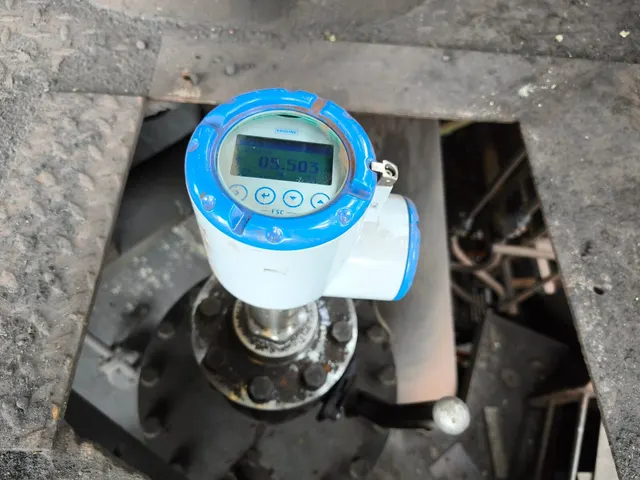
Smart sensors are sensors that recognise information and can intelligently network with one another to draw the right conclusions. The key words are safety, availability, flexibility and efficiency. Instrumentation will need to include diagnostic and predictive maintenance capabilities. This will not replace all the knowledge in your employees’ brilliant minds. But digitalisation will enable young engineers to learn much more quickly what needs to be done to keep processes running optimally.
Digital technology, mobile technology
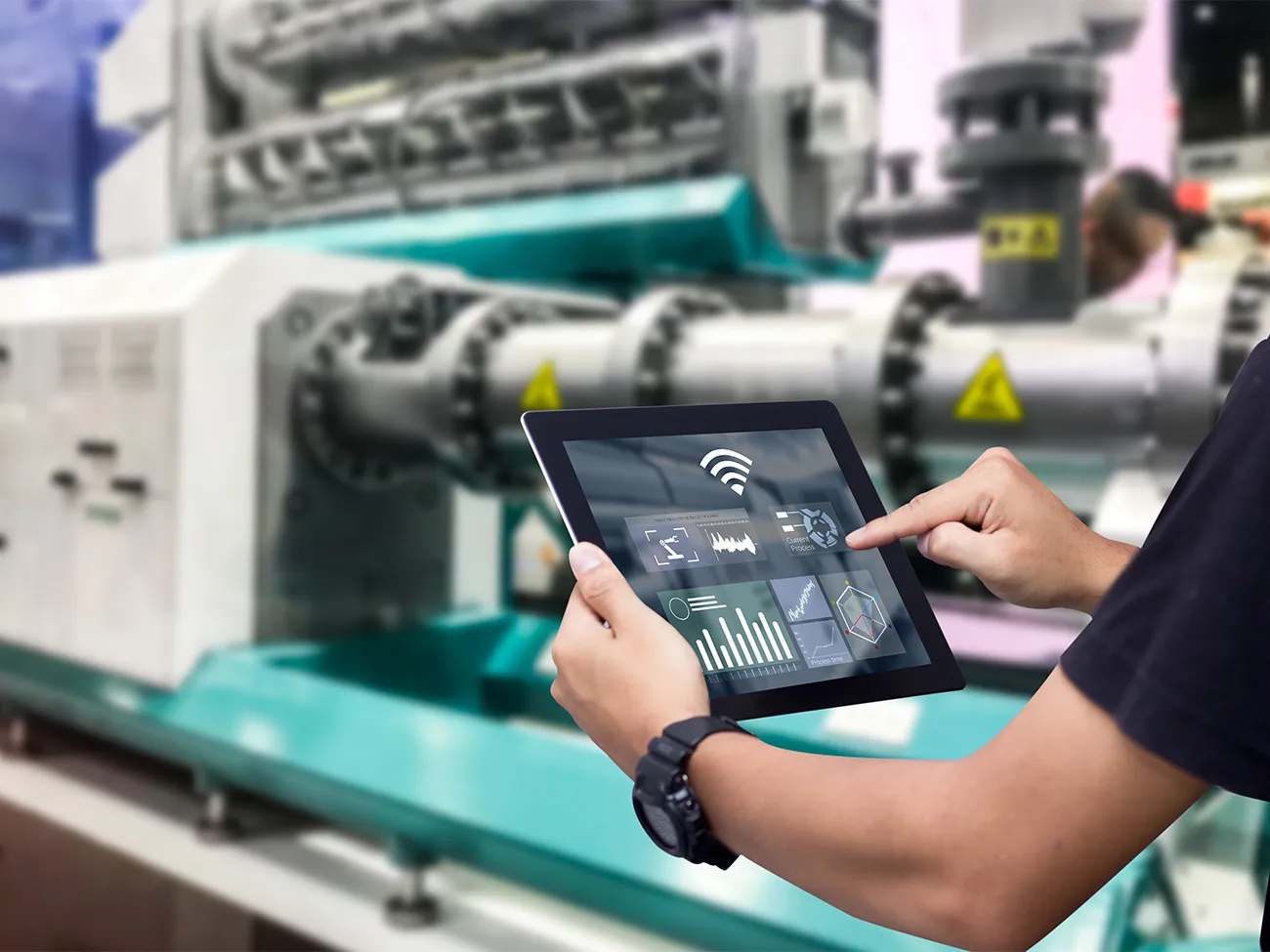
They no longer have to be glued to a screen. With the introduction of digital technology, mobile devices are increasingly making their way onto the factory floor. Laptops, of course, but tablets and smartphones can also be used to monitor processes. This allows data to reach the right stakeholders quickly, speeding up decision-making and making it possible to configure all the instruments required for an automation project optimally in no time.
Point-to-point communication is relatively secure, but rather slow. The growing adoption of wireless technologies is paving the way for a fast, decentralised approach and access to services that can add value to existing processes. Open communication standards are an essential part of this future. Namur is one example.
Making fewer mistakes
Digital tools also help prevent mistakes. Are certain materials and media incompatible? Is the right transmitter matched to the right control system? The extensive diagnostic capabilities of modern instruments have put an end to such issues. And that will be essential. With growing demands to improve production processes in a plant and deliver investment projects as quickly and efficiently as possible, instrumentation also has to be right first time. There is no more time or money to waste on mistakes, orders, configurations or installations. And if this can work well within a single plant, what about across multiple sites? How can all processes be monitored and assessed in real time? The only way is to work in an integrated, digitalised manner.
Question about this story? Ask your question
Keep following this
Get an email when a new story is published. No account needed.
- ThemeMeasurement for process control
- SubjectProcess & instrumentation