Elscolab: your partner for reliable continuity in measurement, processes and applications
Texte Evi Husson | Photos Elscolab
“The process industry is constantly looking for new ways and means of further optimising processes. Better process control goes hand in hand with reliable measurement results. We offer our customers a wide range of inline and online analytical systems and laboratory equipment. We also provide advice and training to ensure reliable continuity in measurement, processes and applications,” says Dirk Vleminckx, application specialist at Elscolab.
Elscolab has been distributing analytical, measurement, control and laboratory equipment for more than 40 years, serving a variety of markets, from the food and biotechnology industries to (petro)chemicals, pharmaceuticals and utilities. “We have extensive experience and knowledge of these sectors. This is very important because the environment in which a measurement is taken helps determine the working method and choice of equipment. For example, hygiene and resistance to CIP are important considerations in the food industry,” explains Dirk Vleminckx. “To give customers the right advice, we have an enthusiastic team of experienced application and maintenance specialists. We also organise various meetings and training sessions, both in-house and at our customers’ premises, and keep interested parties informed about the latest developments and innovations through our website and social media. This keeps our customers up to date with what is happening.”
Unbreakable
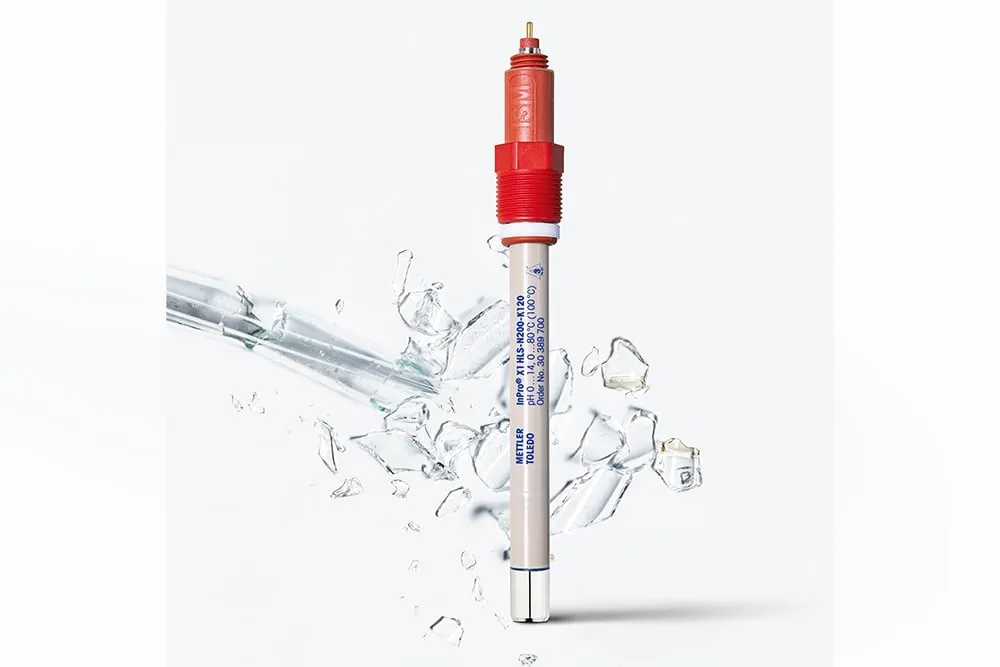
Dirk Vleminckx highlights four innovations. “The most revolutionary is Mettler Toledo’s InPro X1, the first unbreakable, CIP-resistant inline pH electrode. pH values are generally measured using a glass electrode, but glass is not permitted in food production because it is fragile and must not come into contact with food. The chances of this happening are slim, but not non-existent. That is why other alternatives have appeared on the market, such as ISFET and enamel sensors. However, these sensors are generally not resistant to CIP over the long term. The composite InPro X1 changes all that. This pH electrode is both unbreakable and resistant to repeated CIP cycles. This patented new development is revolutionary for the food industry.”
Automatic cleaning
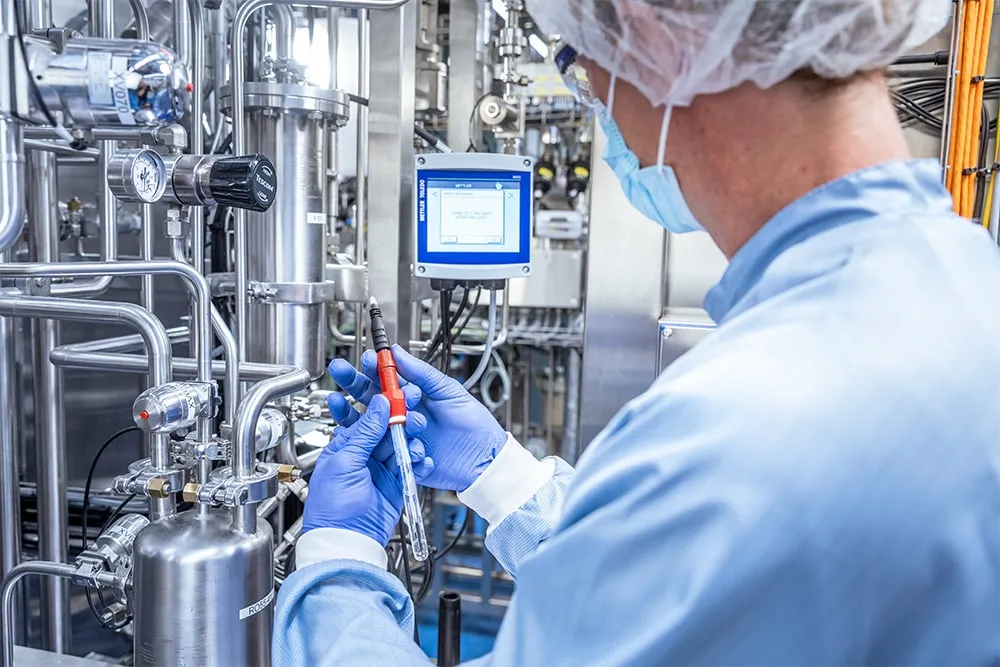
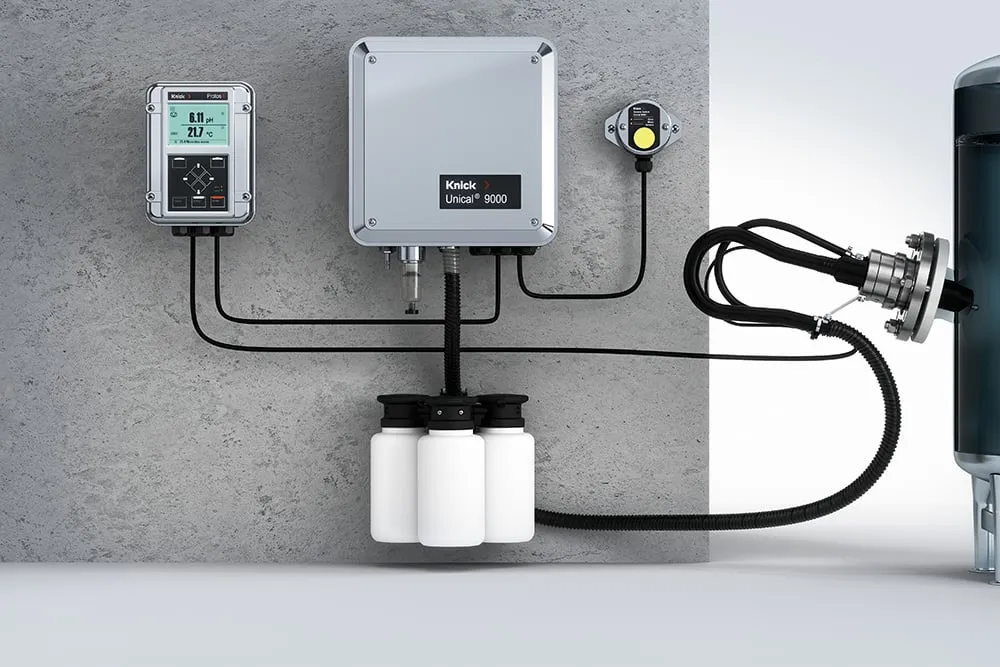
A second system highlighted by Dirk Vleminckx is an innovative concept for cleaning and calibrating pH sensors: Knick cCare. “It is a system for analytical measurements using pH sensors, where cleaning is automatic and requires no operator intervention, while calibration is automated too. This saves the operator a great deal of time, while ensuring the electrode is always handled correctly and consistently. This guarantees accuracy and also helps extend its service life.”
Refractometry
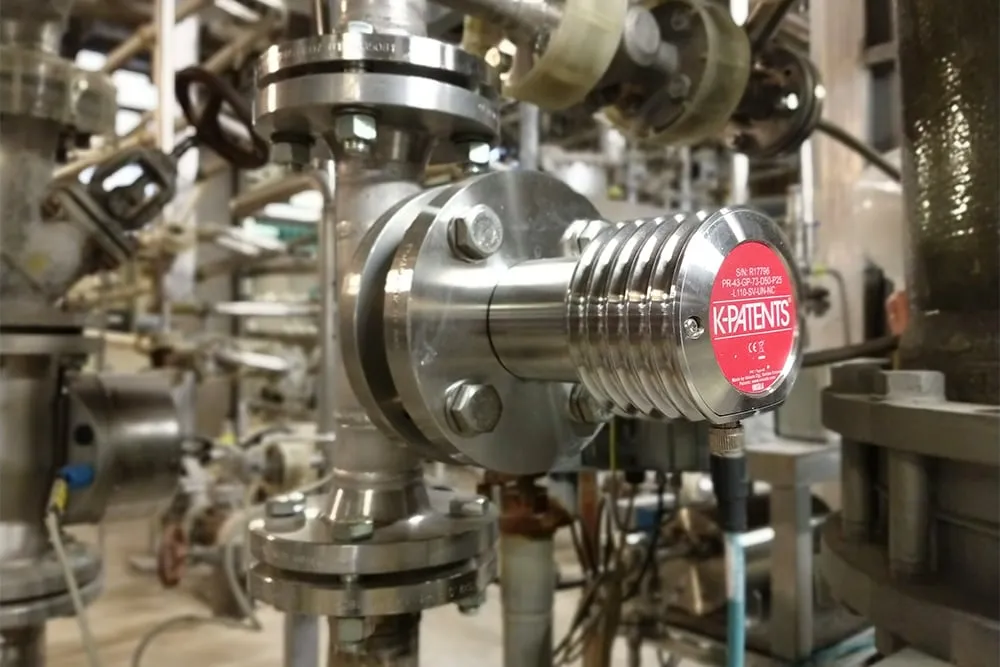
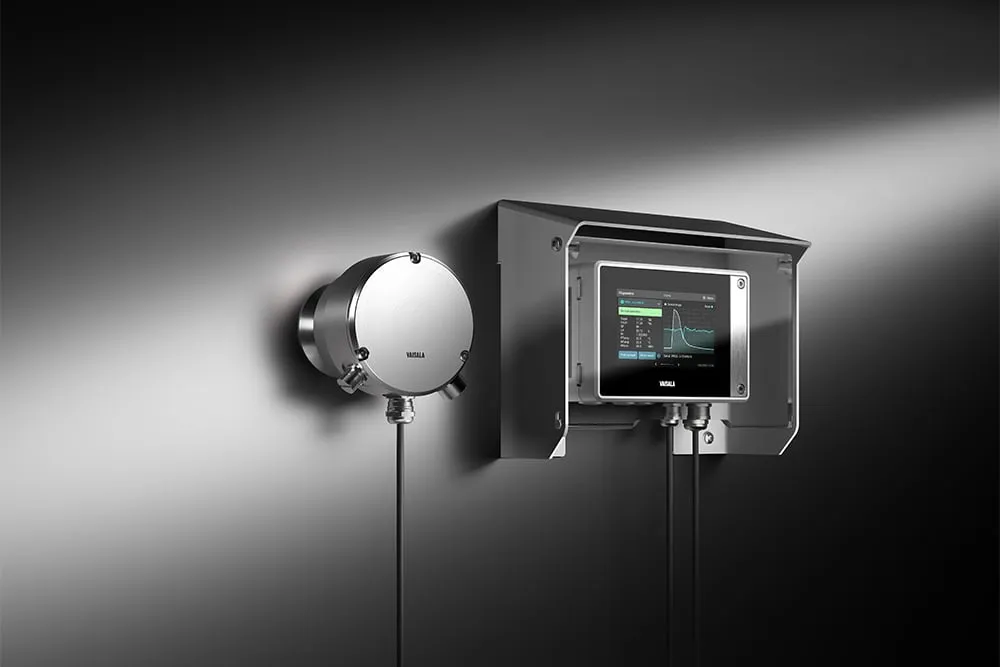
The Vaisala Polaris inline refractometer is also worth mentioning. “Refractometry is a well-known analytical technique. Whereas sugar content was once determined mainly by analysing the refraction of light, the measurement is now widely used for a variety of dissolved substances. Vaisala’s refractometer requires virtually no maintenance because it is unaffected by air bubbles or solid particles. It is fully digital, enabling it to excel at signal processing compared with previous generations. This includes easy interfacing with PLCs, SCADA systems and others via Profinet.”
Intelligence
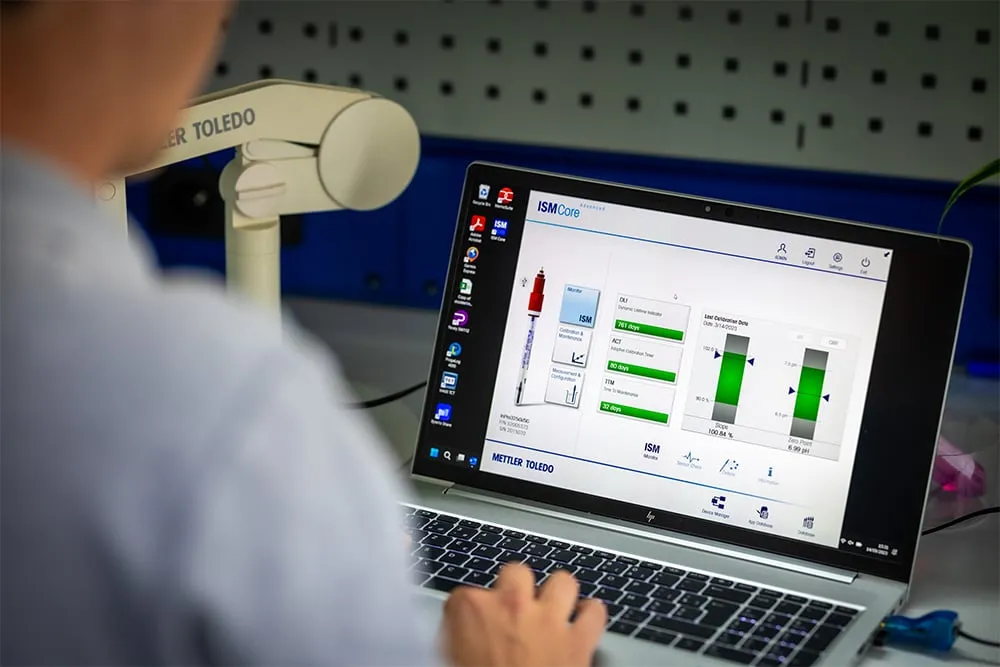
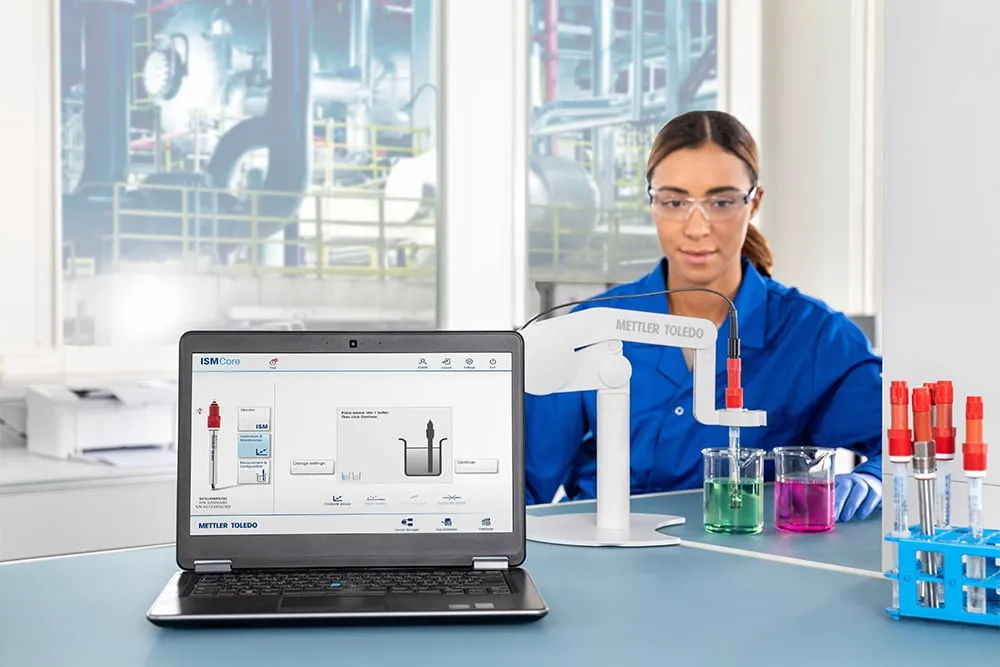
Finally, Dirk Vleminckx mentions ISM Core. “ISM stands for Intelligent Sensor Management. Our supplier Mettler Toledo has launched ISM Core, a system designed to make pH electrodes smarter so that users can handle them more intelligently. All measured data is digitised inside the sensor itself and converted into a digital signal stored in the electrode head. Communication with measuring instruments is therefore entirely digital, making transmission virtually interference-free. The electrodes are easy to replace and connect in the workshop to a PC running ISM Core. This enables a complete and detailed diagnosis. The operator can see the measured values, history and conditions at a glance in a clear interface. They can also carry out calibration and maintenance under ideal conditions, rather than in the production environment. This results in a longer service life and more accurate measurement results. Based on measured values, calibration data and history, diagnostics and a number of specific parameters, ISM also indicates the predicted remaining service life using the DLI (Dynamic Lifetime Indicator).”
Question about this story? Ask your question
Keep following this
Get an email when a new story is published. No account needed.
- SubjectProcess & instrumentation