Flexibility, innovation and speed: key success factors in modern production
Texte & photos Vintiv
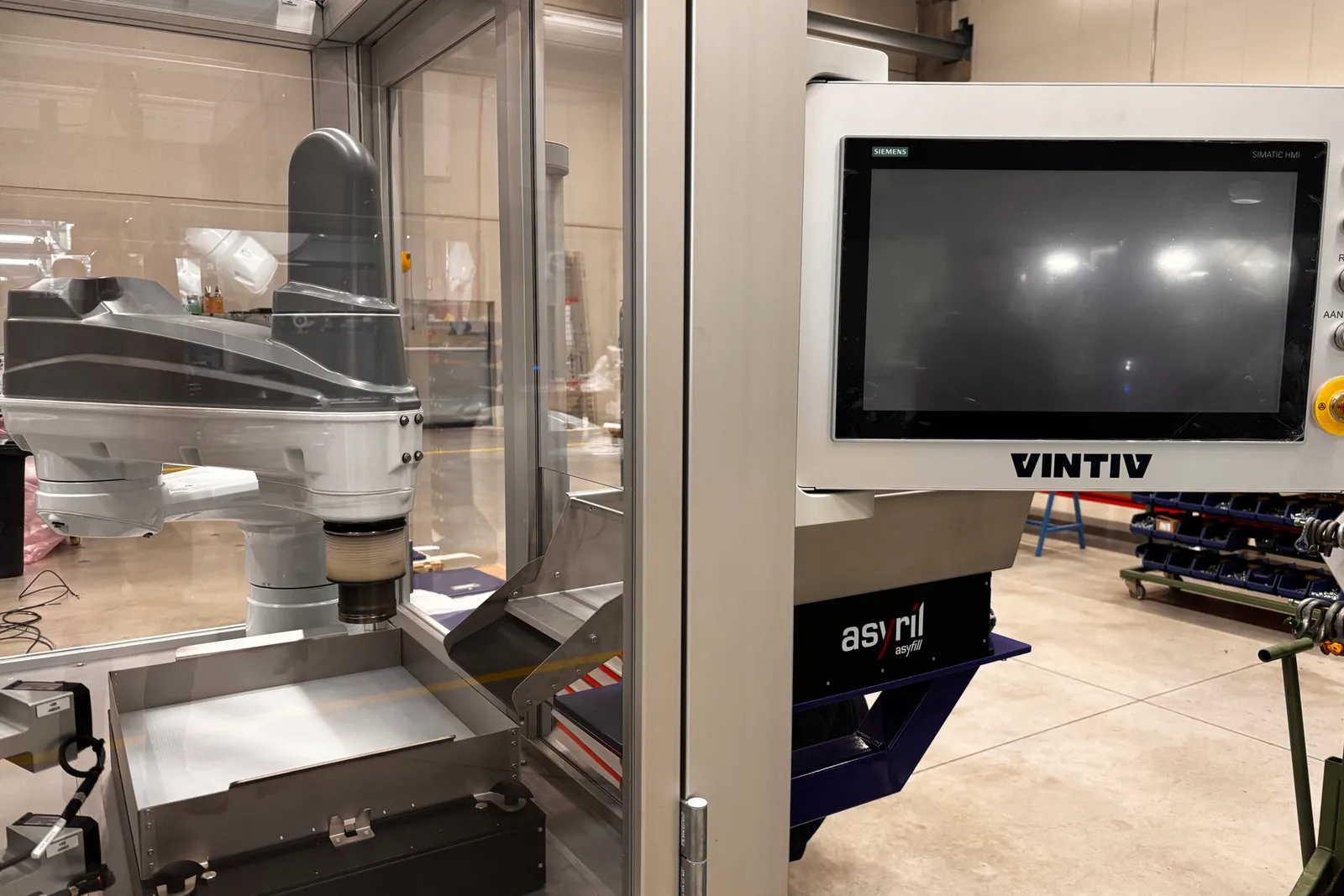
According to the media, European manufacturing is doomed and China is overtaking us in every field. That is certainly true when it comes to mass production. But Europe still has strengths: a mature and relatively wealthy domestic market, extensive experience and expertise, and consumers’ confidence in the quality and reliability of products made here. The productivity race is not won by being the cheapest, but by improving time to market. In this reality, flexibility, innovation and speed are no longer luxuries, but essential conditions for remaining competitive. Vintiv helps its customers design and build the production facilities of tomorrow so they can be best in class.
Constant change is the new norm: customer expectations are becoming increasingly specific, product life cycles are getting shorter and market demand is more volatile. In manufacturing, this means production lines and machines must be able to handle variation efficiently. Yet most are designed for stable, repetitive production. Changeovers take a long time and require mechanical adjustments. In a high-mix, low-volume production environment, this leads to longer downtime, a greater risk of errors during changeovers and limited resilience in a rapidly changing market. The solution? Flexible production cells. By combining robots with flexible feeding systems and vision, a single installation can handle several product variants, with minimal changeover time.
The building blocks of flexible production
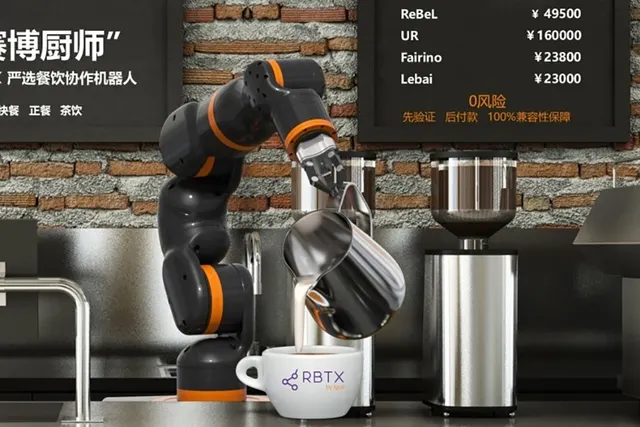
Flexfeeders are increasingly replacing conventional vibratory and mechanical feeders. Rather than handling just one specific geometry, flexfeeders are designed to process multiple component variants within a single system. Industrial robots are another key driver of flexibility. From conventional six-axis robots to cobots and SCARA robots, their strength lies not only in repeatability, but above all in their reprogrammability. Combining flexfeeders with vision systems and robotics creates a robust, adaptive feeding concept that can evolve as products change, without major mechanical modifications.
Embracing innovation
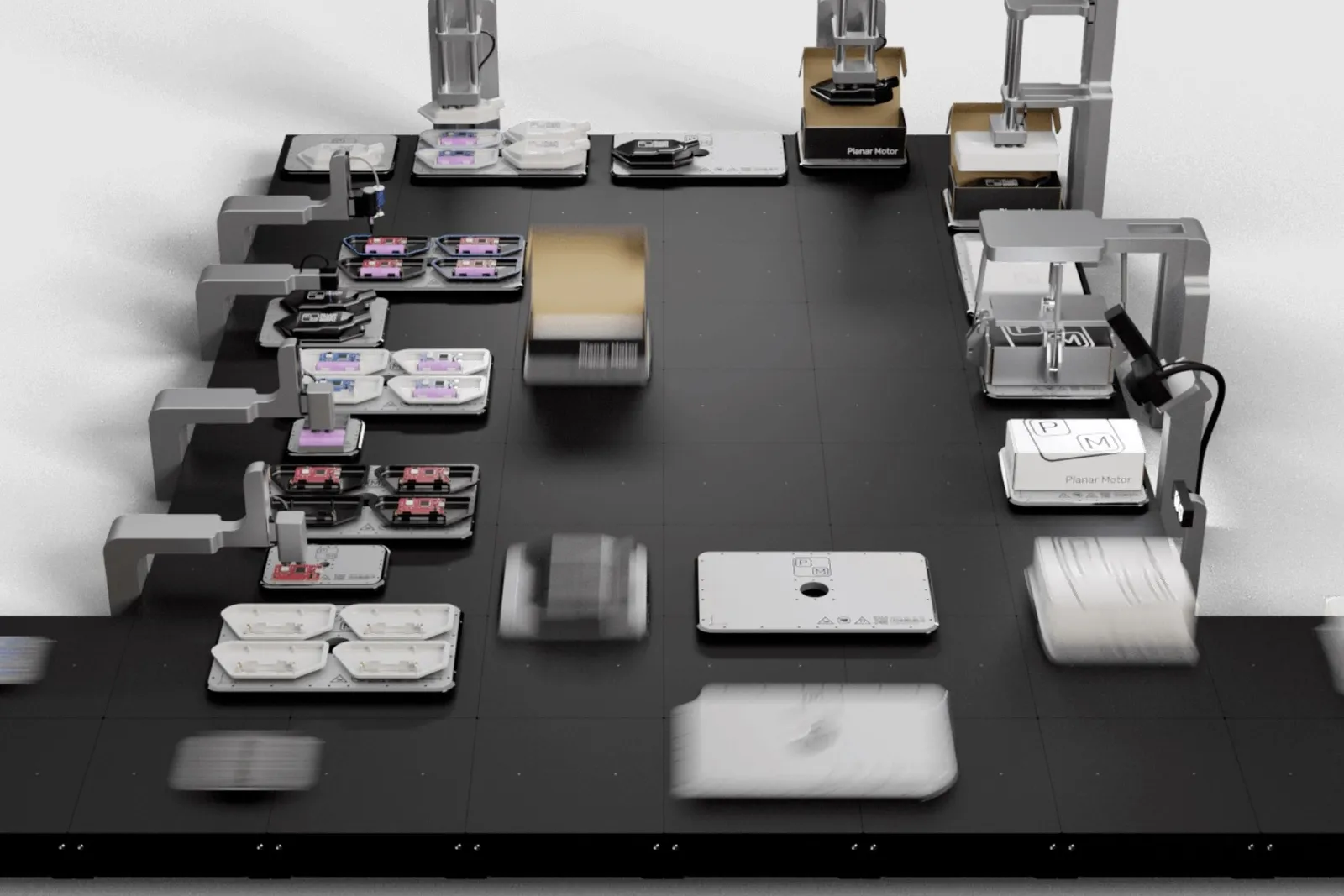
To create innovative production facilities, we also need to dare to adopt innovative technologies. Magnetic levitation is a revolutionary new concept in motion and movement possibilities. It allows product carriers to float wirelessly and contactlessly above the work area, offering unprecedented possibilities for moving products through the machine: free 2D transport with up to six degrees of freedom for positioning and orienting the object being transported. The system is designed for small batches and highly flexible, multi-product lines.
Speed through smart integration and software
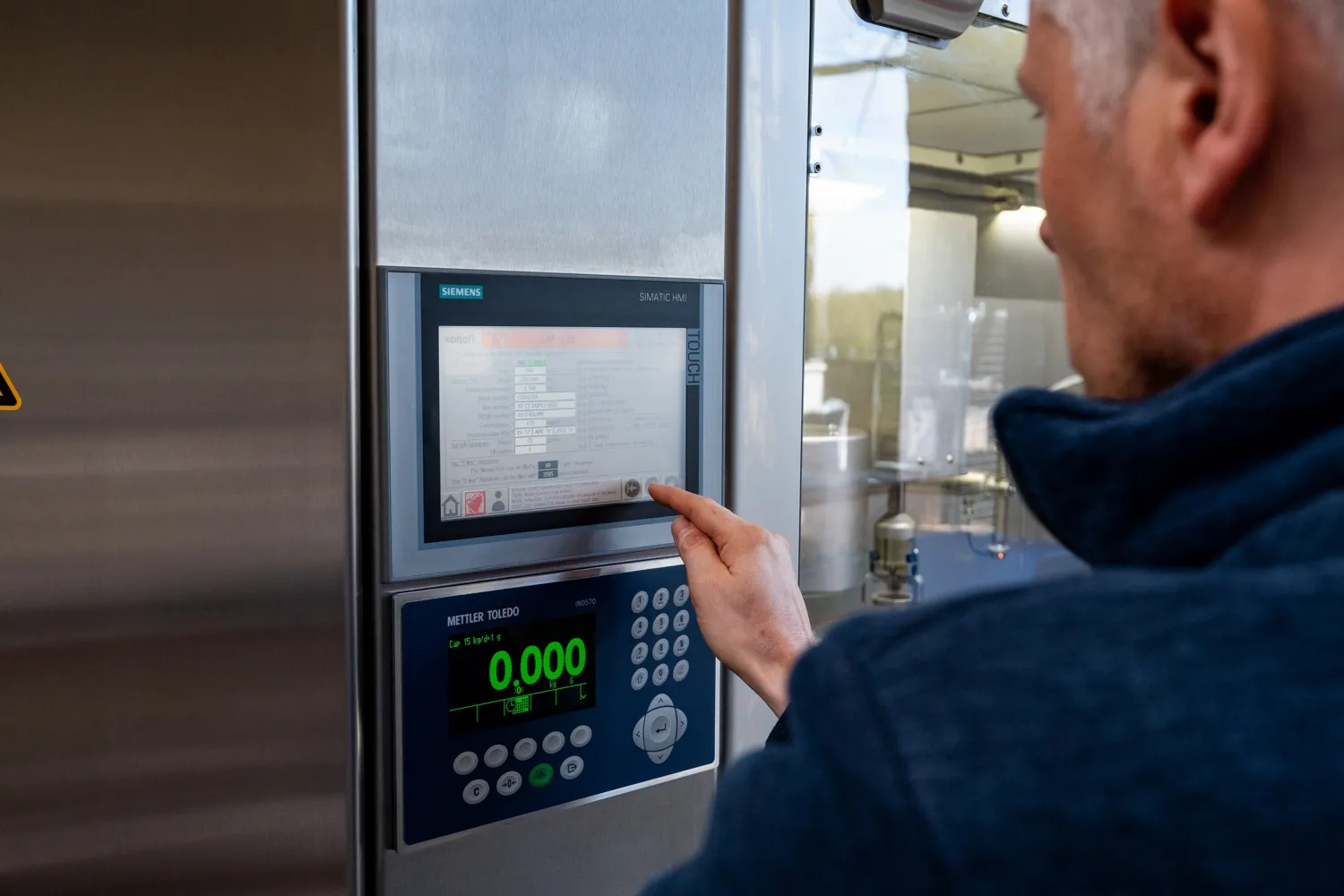
When we talk about speed, we mean more than just cycle time: we also mean changeover time and time to market. Software plays a crucial role here:
- recipe-based machine configurations enable rapid reconfiguration;
- digital models enable offline testing and operational optimisation;
- data analysis enables continuous process improvement.
By reducing mechanical complexity and replacing it with software flexibility, production processes can be adapted much more quickly to new requirements.
Conclusion
Flexibility, innovation and speed are not abstract concepts, but concrete choices in design and automation. In modern production processes, integrating flexfeeders, robotics and smart software provides an effective response to increasing product variation and changing market demand. Companies that invest in this area do more than build efficient production lines: they also create a sustainable competitive advantage. Visit Vintiv at Indumation to discover how your production can become flexible, innovative and fast too.
Vintiv: Stand 539B
Een zakelijke vraag aan VINTIV? Get in touch
Companies in this story
Keep following this
Get an email when a new story is published. No account needed.
- SubjectINDUMATION 2026
- CompanyVINTIV