When robot integration becomes child's play
Texte Valérie Couplez | Photos Lenze
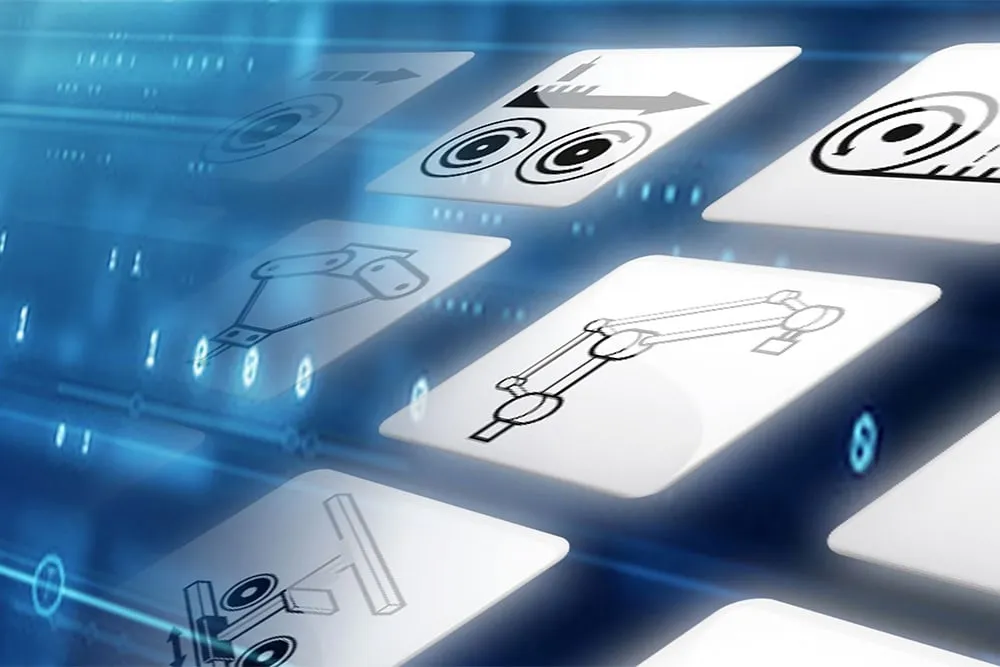
Ready-to-use FAST software engineering modules enable engineers to easily programme functions into their automation for a range of applications. They can complete 80% of the programming in 20% of the time. Until now, no such opportunity existed for robotics because of its complexity. Programming used to take a great deal of time because it involved integrating vision, training pick&place models, gripper control, load balancing for multi-robot systems, maintenance tasks and more. Today, Lenze makes things simpler with its FAST robotics model, which includes a digital twin and brings all these functions together. In 80% of robotic applications, it is more a matter of configuration than programming.
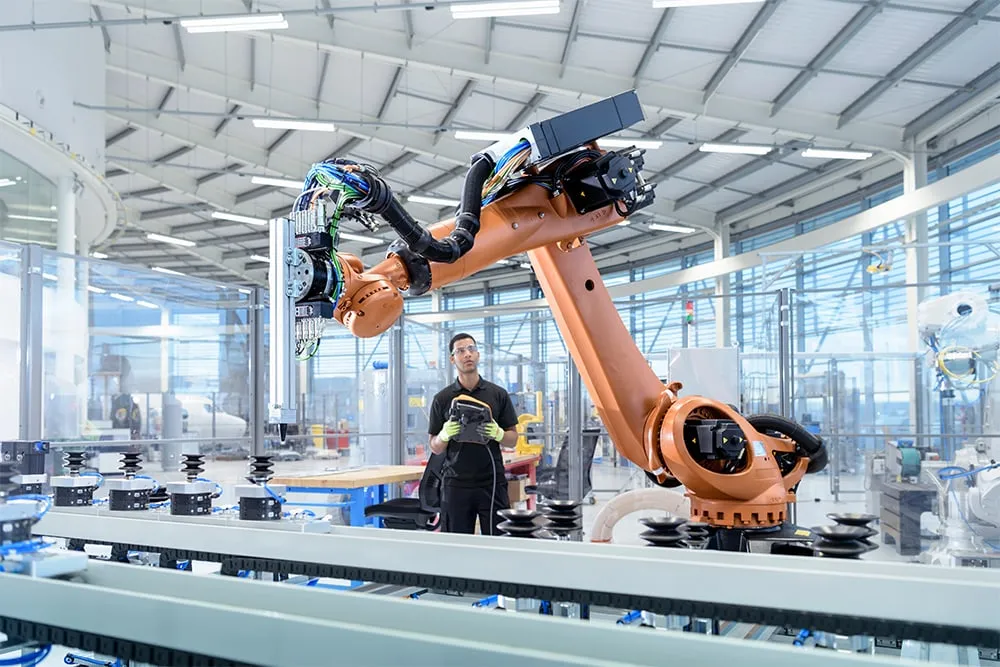
Launched more than twelve years ago, FAST modules are highly valued by engineers. Heiko Masur, product manager for the FAST toolkit at Lenze, explains why. “Some engineers find programming difficult. Applications are becoming more complex, while time to market is getting shorter. Drawing on our experience in the field, we have brought this knowledge together in pre-programmed function blocks. They still form the basis today, but we have added another layer. We can group function blocks into technology modules tailored to a specific application, such as winding and unwinding. With one click, engineers can add this functionality to their programme. The underlying programming has been tested in advance, so they can focus on what makes their machine unique. Visualisations are available and help reduce time to market.”
From programming to configuration
The next step is to integrate technology modules into a single model. Heiko Masur cites the example of a bagging machine. “Everything the machine needs to do is brought together in a model based on our application knowledge. The engineer no longer has to programme anything. They simply enter the relevant parameters to configure the application.” After more than ten years of development, engineers who choose FAST have access to a complete, tested and documented toolkit that helps them work as efficiently as possible. And Lenze continues to expand it. In robotics, the company already had a basic library of function blocks that allowed a robot to move from one point to another. “Every machine or production line is unique, but we see many similarities. For example, many customers have pick&place applications. Why programme them from scratch every time?” asks Jeroen de Hond, application engineer and robotics specialist at Lenze.
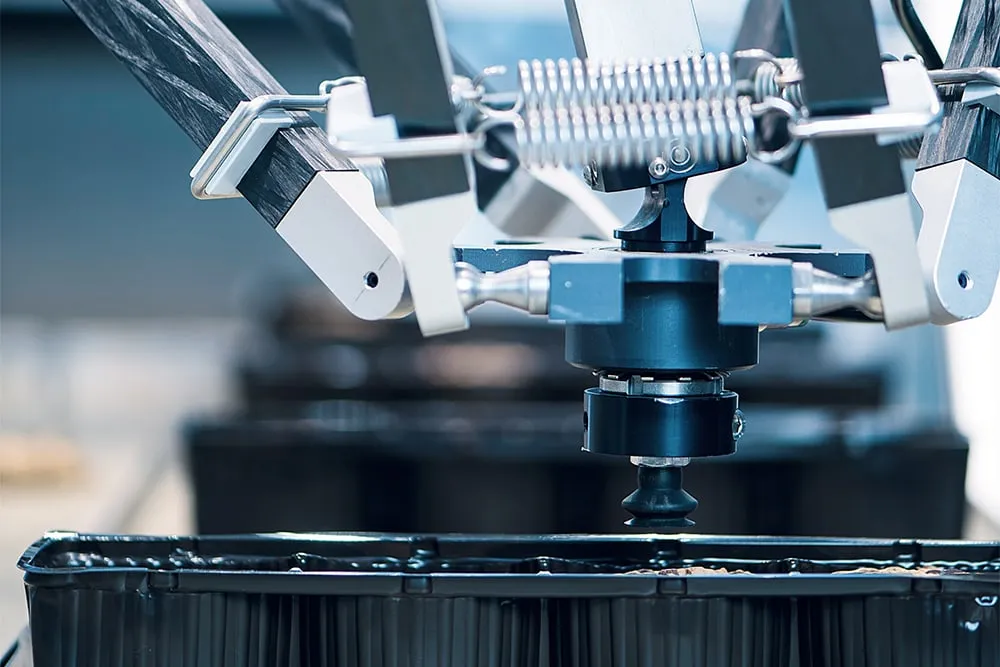
80% of robotic applications
With this in mind, Jeroen de Hond and Lenze’s FAST innovation team set out to develop a model for robotics. “We wanted programming to become a matter of parameterisation, even for complex multi-robot applications,” he explains. “A successful solution for 80% of applications, without users needing any specific knowledge of robot programming.” Lenze achieves this by firmly embracing open source and programming with CodeSys. “Users can add or modify functions, or keep their own version.” Visualisation is another unique feature. “It is effectively a digital twin,” continues Jeroen de Hond. “Users can test the functionality in advance, even before the machine has been built. It is true virtual commissioning.”
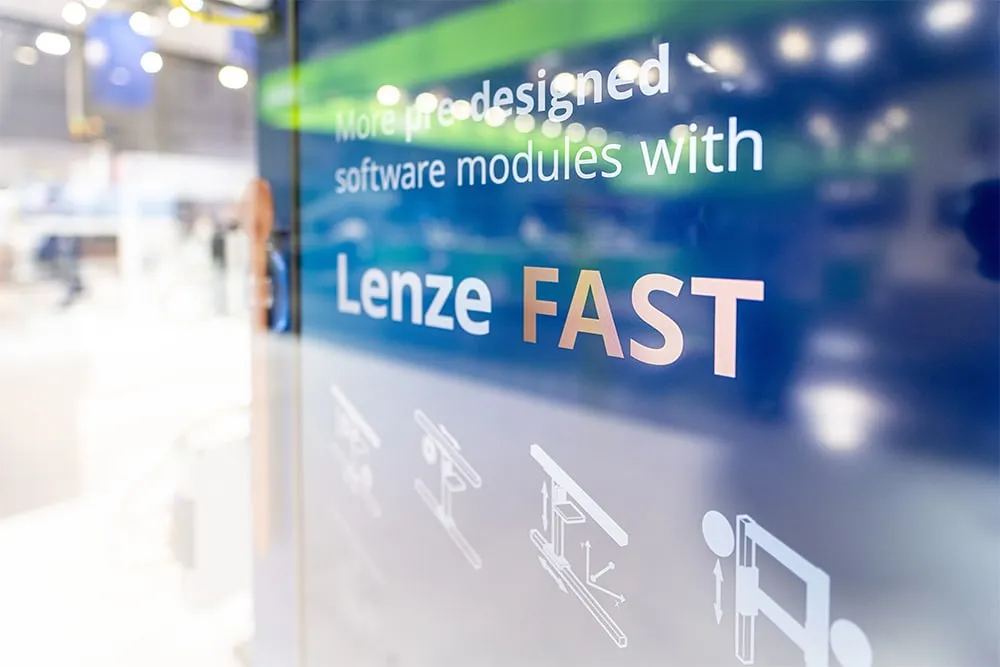
From four weeks to half a day
The benefits are numerous. Jeroen de Hond explains: “The software for the controller and the robot can be developed on one and the same platform, and programming can take place in parallel with mechanical engineering to shorten time to market. An average robotic application takes four weeks, whereas the FAST model gets it done in half a day. That is a significant advantage at a time when engineers are in short supply. What’s more, the required hardware can be sized precisely.” Lenze is committed to providing its customers with thorough training. “We run ‘Robotics as a Service’ workshops so that customers can master the model and make the most of it. After an introduction to the basic theory, we spend the final half-day on the application the customer wants to implement. They leave with a working solution that they can develop independently and extend as they see fit.”
A business enquiry for Lenze? Get in touch
Companies in this story

Keep following this
Get an email when a new story is published. No account needed.
- ThemeFlexible robotics and autonomous logistics
- SubjectMotion & drives
- CompanyLenze