Humanoid robotics demands dexterity on the move
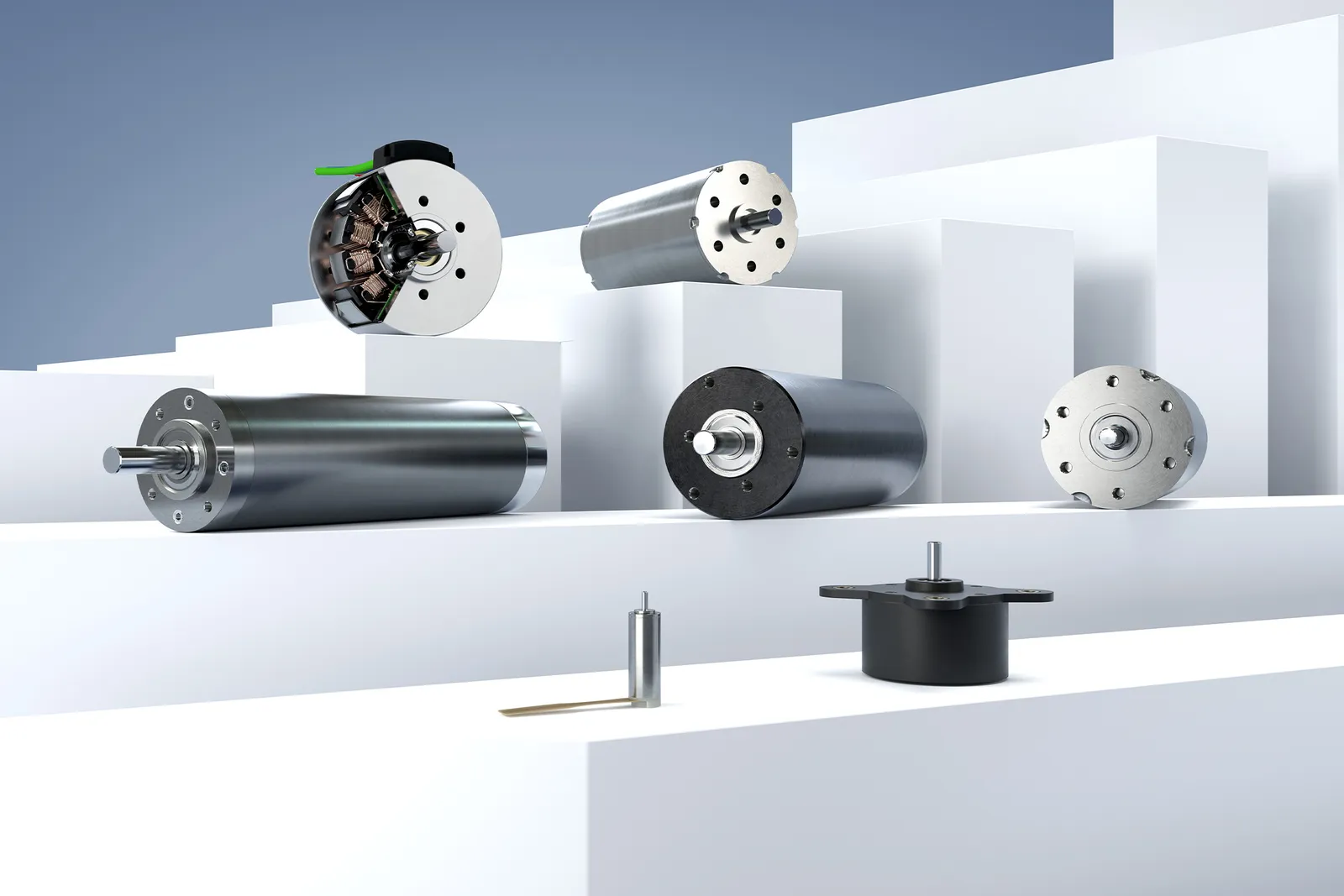
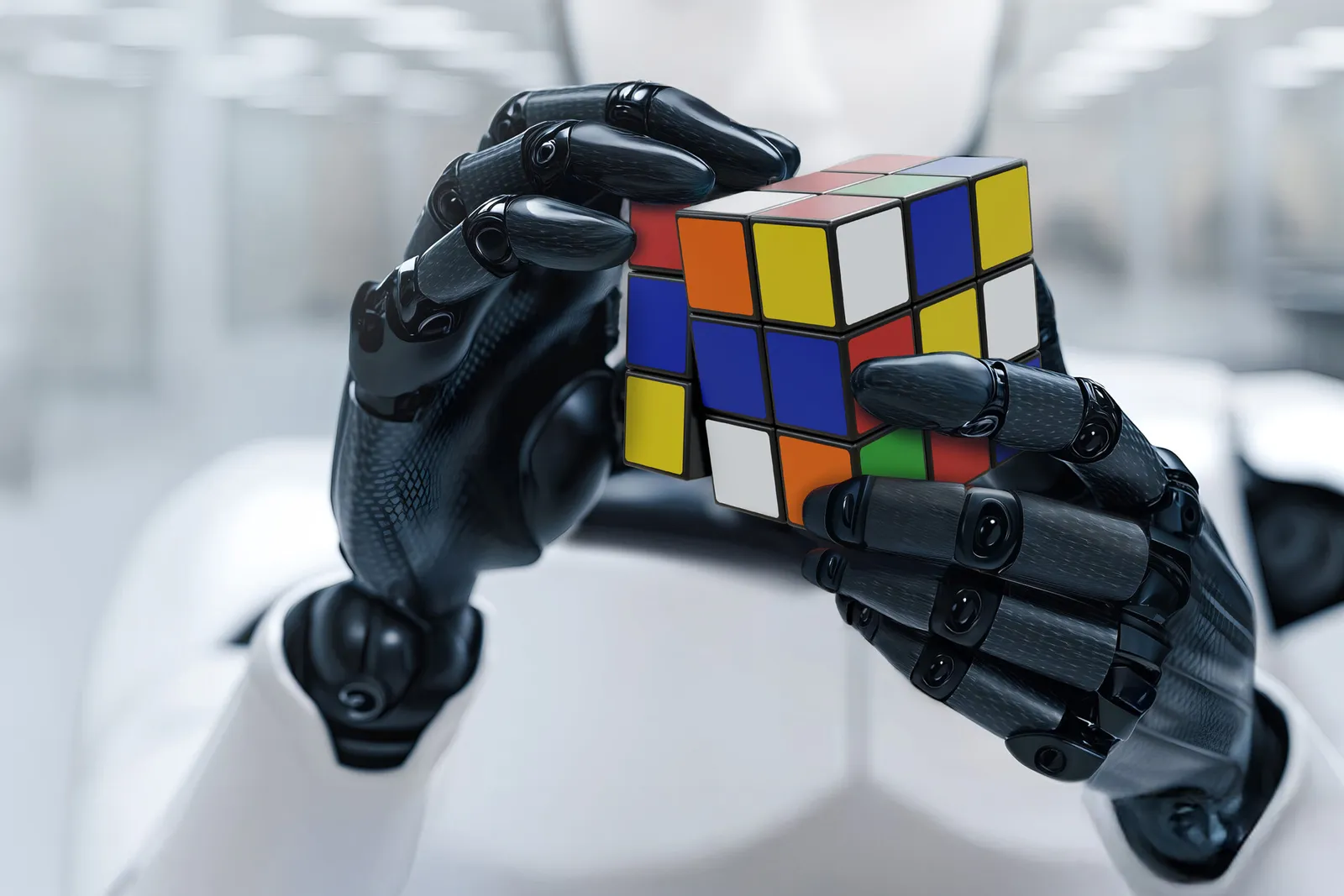
The hand is probably the most widely used tool in the human body. Its dexterity, fine motor skills and sensory feedback make it the interface between the body and its surroundings. Replicating this remarkable functionality in an artificial hand is one of robotics’ greatest challenges, but also one of its most promising. Whether in automation or medical robotics, industrial applications or modern prosthetics, robotic hands must do what the human hand has perfected over millennia: coordinate complex movements, use a range of grasping techniques, respond to external stimuli and apply force with precision. It is not just a matter of shape and mobility, but also of miniature motors, intelligent control and the ability to adapt to changing environments.
The human hand is a highly complex, finely tuned system in which 27 bones, more than 30 joints and muscles, and numerous tendons work together to provide exceptional flexibility and control. For an artificial hand, this means it must be designed to be both robust and flexible, lightweight and stable, compact and powerful. It is a balancing act that places high demands on materials, design and, above all, drive technology. Electric motors generate powerful movements, sensors provide the necessary feedback, and intelligent control systems coordinate operations in real time. In short, for a robotic hand to move as naturally as possible, it needs precise, finely tuned components inside. The aim is to create a symbiosis between technology and biology, whether to restore lost functions or enhance human capabilities. The boundary between humanoid robotics and modern prosthetics is blurred. Both disciplines draw on similar engineering principles to reproduce human movements as faithfully as possible.
Fine motor skills
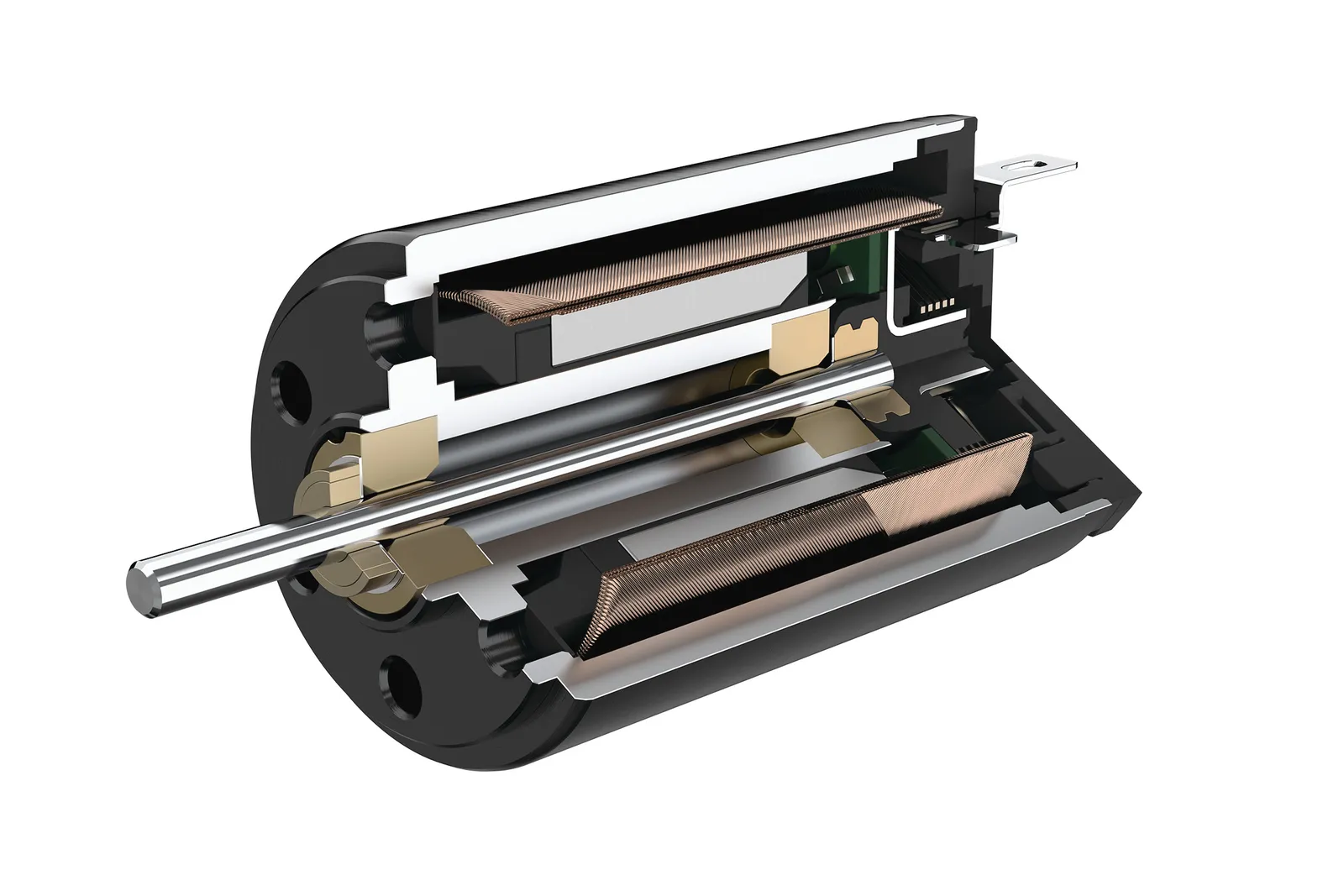
Humanoid robots bridge the gap between artificial intelligence and the physical world. Their hands are not just tools, but also means of expression and interaction. The quality of their movements, in other words how smoothly, powerfully or precisely they are performed, depends largely on the underlying drive technology. Miniaturisation, precision, dynamics and energy efficiency are not just buzzwords, but key success factors. These elements must work together seamlessly for movements to look so natural that they are almost indistinguishable from those of a human. Energy efficiency is crucial here, as space and power are limited, while the drive system must remain completely reliable.
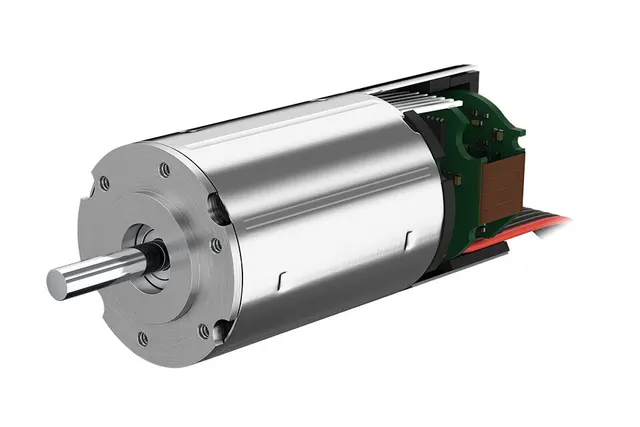
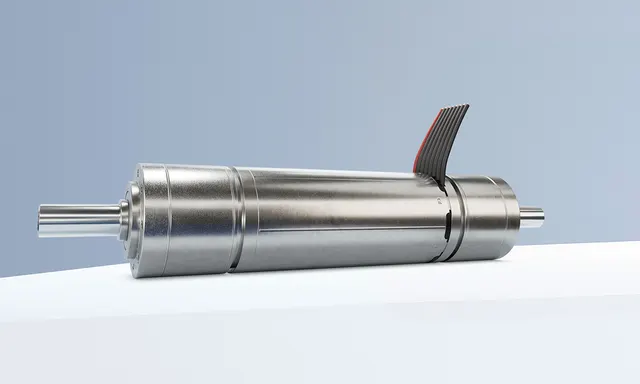
To move the fingers of a robotic or prosthetic hand independently, each must be driven separately by one or more actuators. More than 20 drives are often needed to enable the hand to perform the most complex movements. These drives, usually comprising a motor, encoder, planetary gearbox, lead screw and controller, must be extremely compact. Only then can the fingers be individually positioned for a range of grasping patterns, from delicate movements to powerful grips. FAULHABER’s SXR family of DC motors is particularly well suited to this demanding application. Thanks to their innovative winding geometry, high-performance rare-earth magnets and wide range of possible combinations with high-precision planetary gearheads, they are ideally suited for use in artificial hands.
A hand with many capabilities
FAULHABER has decades of experience in developing and manufacturing high-precision drive systems and understands the specific requirements of robotic hands and modern prostheses. FAULHABER micromotors are used worldwide, in both high-end medical prostheses and robotic systems. They make what was long considered visionary possible: powerful, sensitive and dynamic movements in very confined spaces. Whether in the human body or a humanoid robot, the quality of every movement starts with the right drive.
Question about this story? Ask your question
Keep following this
Get an email when a new story is published. No account needed.
- ThemeHigh-performance drives and precise motion
- SubjectMotion & drives